The Dai people are one of China鈥檚 officially recognized ethnic groups, with their largest communities in the warm river valleys of Yunnan Province. Their living culture includes several Dai languages and scripts, wet-rice agriculture, regional dress, raised houses, Theravada Buddhist traditions in some areas, the Water-Splashing Festival, peacock and elephant-foot-drum dances, narrative song, palm-leaf manuscripts, brocade, pottery, papermaking, and paper-cutting.
China鈥檚 2020 census recorded 1,329,985 Dai people. Most live in Xishuangbanna Dai Autonomous Prefecture, Dehong Dai and Jingpo Autonomous Prefecture, and autonomous counties such as Gengma and Menglian. Other communities live in Xinping, Yuanjiang, Jinping, Jinggu, Lancang, and neighboring parts of Yunnan. Local identities, speech, clothing, calendars, and religious life differ substantially, so no single festival costume or tropical village can represent every Dai community.

Dai People at a Glance
| Chinese name | 鍌f棌 |
|---|---|
| Pinyin | D菐iz煤 |
| Population in China | 1,329,985 in the 2020 national census |
| Main distribution | Xishuangbanna, Dehong, Gengma, Menglian, Xinping, Yuanjiang, Jinping, Jinggu, Lancang, and other parts of Yunnan |
| Languages | Several Tai languages; classifications differ between Chinese and international linguistic traditions |
| Traditional scripts | Xishuangbanna Dai, Dehong Dai, Dai Beng, Jinping Dai, Xinping Dai, and related local systems |
| Representative celebrations | Water-Splashing Festival; Closing-the-Door and Opening-the-Door festivals in Theravada Buddhist areas |
| Representative heritage | Peacock dance, elephant-foot-drum dance, zhangha singing, Dai opera, brocade, slow-wheel pottery, paper-cutting, papermaking, and palm-leaf scripture making |
Who Are the Dai People?
The Dai are one of the 56 ethnic groups officially recognized in China. Their communities are concentrated in southwestern Yunnan, a border region connected by rivers, mountains, trade routes, and kinship networks to mainland Southeast Asia. Many Dai settlements lie in lowland basins or river valleys, but the group鈥檚 geography is broader than a single tropical landscape.
Dai identity brings together related but regionally distinctive communities. People in Xishuangbanna, Dehong, Gengma, Menglian, Xinping, Yuanjiang, and Jinping may speak different varieties, use different scripts, follow different festival calendars, and recognize different local clothing styles. Modern Dai life also includes cities, universities, tourism, government service, agriculture, transport, cross-border commerce, digital media, and many other professions.
The Chinese term Dai should not be treated as an interchangeable label for every Tai-speaking population. Dai people in China share historical and linguistic connections with Tai communities elsewhere, but modern ethnicity, citizenship, local history, and self-identification remain distinct.
Regional Identities and Local Names
Regional names such as Dai L眉, Dai N眉a, Dai Ya, Dai Beng, and others appear in scholarship and local usage. They may refer to speech communities, geographic groupings, historical identities, or combinations of these. Roman spellings vary, and the same word can be written differently in English-language sources.
These names help explain why a single statement about 鈥淒ai clothing鈥� or 鈥渢he Dai language鈥� can be misleading. A costume associated with Xishuangbanna should not automatically be assigned to Dehong or Xinping, and one local festival sequence should not be generalized to every community. The most reliable cultural descriptions identify the specific place, maker, performer, and occasion.
Dai Languages and Writing Systems
Dai speech varieties belong to the Tai language continuum. Official Chinese ethnographic sources traditionally place them in the Zhuang-Dong language branch of the Sino-Tibetan family. Much international linguistic research instead uses the Kra鈥揇ai family and places Dai varieties within its Tai branch. The difference reflects competing classification traditions, not two unrelated languages.
There is no single universal Dai script. Traditional writing systems include Xishuangbanna Dai, Dehong Dai, Dai Beng, Jinping Dai, Xinping Dai, and related regional forms. Several developed in close connection with Buddhist manuscript culture, while their shapes, spelling conventions, and present-day use differ.
Many Dai people are multilingual. Standard Chinese is important in education, administration, media, and wider communication; local Dai varieties remain significant in families, villages, song, ritual, and cultural teaching. In some areas, neighboring languages are also part of daily life. Language preservation therefore depends on active speakers and intergenerational use, not only on displaying attractive scripts.
History, Migration, and Regional Connections
Dai historical formation unfolded over many centuries through migration, settlement, river-valley agriculture, regional states, trade, and interaction with neighboring peoples. Chinese historical texts used a range of older names for southern and southwestern populations, but those broad labels cannot be mapped neatly onto one modern ethnic group.
In Xishuangbanna, the polity often known in Chinese sources as Mengle gradually took shape during the medieval period. Later Yuan, Ming, and Qing administrations governed the region through changing combinations of military offices, native chieftain institutions, and local political structures. Dehong, Menglian, Gengma, Xinping, Yuanjiang, and other regions followed their own historical paths.
鈥淴ishuangbanna鈥� is commonly explained as a Dai expression related to 鈥渢welve banna.鈥� The term banna, however, belongs to a specific history of local administration and obligations; it is more than a picturesque synonym for twelve villages. Dai history is therefore best understood as a network of related regional histories rather than one unbroken story centered on a single place.
River Valleys, Rice Fields, and Village Life
Warm temperatures, seasonal rainfall, fertile basins, and irrigation have supported wet-rice farming in many Dai areas. Rice fields, canals, bamboo groves, orchards, tea gardens, and village paths form a landscape shaped by generations of work. Rice is not only a staple: it can also be part of festival meals, hospitality, cooperative labor, and family memory.
Large-leaf tea has long connected parts of Xishuangbanna, Pu鈥檈r, Lincang, and Dehong to regional exchange. Today, however, local economies extend far beyond traditional agriculture. Modern farming, tourism, logistics, education, public services, retail, digital commerce, and urban employment all form part of contemporary Dai life.
Public gatherings sometimes described with the Dai-derived Chinese term ganbai may combine market activity, social visiting, performance, and religious observance. The meaning changes with time and place, so it should not always be translated simply as 鈥渁 market.鈥�
Raised Houses, Temples, and Regional Architecture
Raised bamboo-and-timber houses are among the most recognizable images of Dai architecture. An elevated living floor helps ventilation and reduces contact with damp ground in humid, rainy environments. Bamboo and wood were historically accessible building materials, and shaded lower spaces could be used for storage or work.
Not every Dai house follows this form. Xishuangbanna is especially associated with stilted structures, while communities in Dehong and interior valleys have also used timber-earth houses, brick-and-timber buildings, and ground-level plans. Concrete homes, modern utilities, and hybrid structures are now widespread. A tourism reconstruction should not be mistaken for the everyday home of every Dai family.

In communities strongly influenced by Theravada Buddhism, temples and stupas can be major public landmarks. Layered roofs, carved gables, painted surfaces, and local decorative programs vary by period and locality. Buildings such as the Menglian chieftain鈥檚 office also reveal exchanges among Dai, Han, and other architectural traditions.
Clothing, Brocade, Silver, and Paper-Cutting
Dai women鈥檚 traditional clothing is often described through fitted or short jackets and tube skirts, yet color, collar, fastening, headdress, belt, jewelry, and drape vary greatly. Xishuangbanna, Dehong, and the communities popularly known as Huayao Dai are particularly well known for distinct regional styles. Men鈥檚 historical dress often included jackets, loose trousers, and wrapped headcloths, while contemporary daily clothing is usually modern.
Dai brocade uses cotton, hemp, silk, or mixed fibers depending on locality and period. Weavers create repeated geometric fields and figurative motifs through carefully controlled warp and weft structures. National heritage records mention subjects such as peacocks, elephants, flowers, towers, and continuous geometric patterns. Their meaning is not a universal symbol dictionary: interpretation depends on the object, maker, location, date, and use.

Dai paper-cutting in Dehong and neighboring areas may be cut with scissors or pierced and chiseled in stacked layers. It has decorated Buddhist banners, festival structures, ritual objects, household interiors, and public celebrations. Peacock, elephant, flower, tower, and architectural forms occur frequently, but the same image can serve different purposes in different contexts.

Rice, Foodways, Tea, and Water
Rice forms the base of many regional diets. Glutinous rice is prominent in parts of Xishuangbanna, while other varieties are common elsewhere. Bamboo-tube rice, pineapple rice, sour bamboo shoots, grilled fish, lemongrass-flavored dishes, dipping sauces often called nanmi, wild greens, mushrooms, and seasonal vegetables are widely associated with Dai foodways.
Descriptions such as sour, spicy, aromatic, fresh, and fire-grilled are useful introductions, but household tastes differ. Edible flowers, insects, algae, and forest plants appear in some local cuisines and seasons; they are not exotic daily staples for every Dai person. Modern diets also reflect markets, migration, restaurants, health preferences, and exchange with neighboring communities.
Water connects irrigation, settlement, cleaning, blessing, and festival symbolism. During public water-splashing events, respect means following local rules, using clean water, avoiding unsafe behavior, and not forcing participation. Harassment or waste does not become respectful simply because it is explained as 鈥渢radition.鈥�
Theravada Buddhism and Local Belief
Theravada Buddhism has deeply influenced calendars, temple education, literature, art, and ritual life in parts of Xishuangbanna, Dehong, and southwestern Yunnan. Temple offerings, stupas, palm-leaf scriptures, and the festivals often translated as Closing-the-Door and Opening-the-Door belong to this religious landscape.
Buddhism reached and developed in the region through long exchanges with mainland Southeast Asia. It interacted with earlier and continuing practices connected with ancestors, village guardians, water, land, and the natural world. Religious composition differs among Dai regions, and individual belief and participation also vary. It is therefore inaccurate to say that every Dai person is Theravada Buddhist or follows the same ritual calendar.
The Water-Splashing Festival
The Water-Splashing Festival is the best-known Dai celebration and a Dai New Year observance. It usually falls around April, but exact dates, names, duration, and programs are determined locally and can change from year to year. In Xishuangbanna, Dehong, and other places, celebrations may include bathing Buddha images, splashing water as a blessing, public gatherings, dragon-boat races, zhangha song, peacock dance, and elephant-foot-drum performance.
Modern festivals also include large stages, parades, tourism programs, city regulations, commercial events, and livestreaming. These additions are part of present-day public culture, but they should not be projected backward as unchanged ancient custom.
Related New Year and water-splashing traditions occur among other communities in China and across Myanmar, Laos, Thailand, and Cambodia. This wider regional pattern reflects shared calendars and centuries of cultural exchange. It does not erase local identities or make the festival the exclusive property of one nation or ethnic group.
Palm-Leaf Manuscripts, Zhangha, and Narrative Poetry
Palm-leaf manuscripts are produced by preparing leaves, inscribing them with a stylus, and rubbing dark material into the incisions so the writing becomes legible. Manuscript traditions reaching Yunnan are connected with the circulation of Theravada Buddhist texts across South and Southeast Asia. Surviving collections may include Pali Buddhist works and texts written in Dai scripts.
Some manuscripts preserve more than scripture, including calendars, medicine, literature, ethics, production knowledge, and local history. Calling them a 鈥淒ai encyclopedia鈥� is an evocative summary, not a literal claim that all knowledge was stored on palm leaves. Scripts, language, dating, and religious context require expert reading.
Zhangha is a representative sung-narrative tradition of Xishuangbanna. The word may refer to the performance practice or to a skilled singer. Performances in Dai languages can address myth, history, love, ethics, and current life, sometimes with instrumental accompaniment. Zhangha was included in China鈥檚 first national list of intangible cultural heritage in 2006.
Zhaoshutun and Nanmunuona, known in several romanizations, is one of the most celebrated Dai narrative poems. It survives through oral performance, manuscripts, murals, and stage adaptation. No single modern edition should be treated as the only original version.
Peacock Dance, Elephant-Foot Drums, and Dai Opera
Dai peacock dance imitates movements such as stepping, drinking, opening wings, and displaying a tail. Traditional forms documented in and around Ruili include male soloists, pairs, and performers using a peacock frame. The women鈥檚 group dances familiar from modern stages are important creative developments, but they are not the only ancient or authentic form.
The elephant-foot drum is both a musical instrument and the center of a dance tradition. Long, medium, and short drums support different techniques and movement patterns, often together with gongs, cymbals, and group dancing. Related drum cultures are also found among De鈥檃ng, Jingpo, Achang, and Southeast Asian communities, showing regional exchange rather than simple exclusive ownership.
Dai opera developed primarily in Dehong by drawing on Dai song and dance, Buddhist narrative, Yunnan opera, shadow-puppet performance, and other sources. Its language, vocal style, staging, and regional history distinguish it from Xishuangbanna zhangha. The White Elephant and Spotted Deer Dance, added to the national heritage list in 2021, further shows that Dai dance extends far beyond the peacock.
National Intangible Cultural Heritage
China鈥檚 national intangible cultural heritage system records projects, declaring regions or institutions, and later extensions separately. One project may therefore have more than one regional entry, and a shared tradition may involve several ethnic groups. The following selection presents major Dai-related records without pretending to be a simple total:
National list, first batch, 2006.
National list, first batch, 2006.
National list, first batch, 2006.
National list, first batch, 2006.
National list, first batch, 2006.
National list, first batch, 2006.
National list, first batch, 2006; later regional extension records also exist.
National list, second batch, 2008.
National list, second batch, 2008.
National list, second batch, 2008.
National list, second batch, 2008.
National list, third batch, 2011.
National list, fifth batch, 2021.
Safeguarding includes apprenticeships, heritage workshops, school programs, manuscript cataloguing, recordings, museum exhibitions, and community festivals. Tourism and commerce can create income and visibility, but they can also flatten regional differences, remove ritual designs from context, and reward cheap imitation. Sustainable work gives communities and knowledge holders a role in explanation, decision-making, credit, and benefit.
Dai Culture in Contemporary Life
Dai culture lives in villages, county towns, provincial capitals, and cities across China. Younger generations use schools, design, music, livestreaming, short video, tourism, and online archives to reinterpret inherited knowledge. Dai-script digitization, dance teaching, weaving cooperatives, manuscript conservation, and new craft design all move older practices into contemporary media.
Change does not make a culture less authentic. Modern houses, contemporary clothing, higher education, wage employment, and international communication belong to the Dai story today. What matters is whether cultural claims are accurate, whether makers and communities are credited, and whether commercial adaptation is described honestly.
Peacocks, elephants, drums, stupas, water, tube-skirt structures, and brocade geometry can inspire design. But Buddhist texts, sacred images, monks, ritual objects, and region-specific motifs require care. A modern item merely inspired by a color palette or pattern structure should be labeled contemporary design, not sold as an original Dai heritage artifact.
Common Misunderstandings
- 鈥淒ai people and Thai people are exactly the same.鈥� They have linguistic and historical relationships, but modern ethnic identities, citizenship, histories, scripts, and local traditions differ.
- 鈥淭here is one Dai language and one script.鈥� Dai communities use several speech varieties and multiple regional writing systems.
- 鈥淓very Dai person follows Theravada Buddhism.鈥� Its influence is profound in some regions, but religious life and personal participation vary.
- 鈥淎ll Dai families live in bamboo stilt houses.鈥� Housing differs by locality and period, and modern construction is widespread.
- 鈥淧eacock dance has always been a women鈥檚 group dance.鈥� Documented traditional forms include male soloists, pairs, and peacock-frame dances; modern stage choreography broadened the form.
- 鈥淒ai paper-cutting has its own UNESCO listing.鈥� UNESCO lists Chinese paper-cut as a broad multi-regional tradition; Dai paper-cutting is one important local tradition within that wider field.
Frequently Asked Questions
How many Dai people live in China?
China鈥檚 Seventh National Population Census recorded 1,329,985 Dai people at the census reference time in 2020. This is an official census figure rather than a live population count.
Where do the Dai people live?
The largest communities are in Xishuangbanna and Dehong in Yunnan, with major populations in Gengma, Menglian, Xinping, Yuanjiang, Jinping, Jinggu, Lancang, and nearby areas.
Are Dai people the same as Thai people?
No. Dai and Thai communities have important linguistic and historical connections, but their modern ethnic identities, citizenship, regional histories, scripts, and customs are not interchangeable.
What language do the Dai people speak?
Dai communities speak several related Tai varieties. Official Chinese and international linguistic traditions classify the wider family differently, and many Dai people also speak Standard Chinese or neighboring languages.
Do the Dai have one writing system?
No. Xishuangbanna Dai, Dehong Dai, Dai Beng, Jinping Dai, Xinping Dai, and related local systems have different graphic and spelling traditions.
Does every Dai person practice Theravada Buddhism?
No. Theravada Buddhism has strongly shaped life in parts of Xishuangbanna, Dehong, and southwestern Yunnan, but religion, belief, and participation vary by community and individual.
When is the Dai Water-Splashing Festival?
It is usually held around April, but exact dates, names, duration, and programs follow local calendars and annual arrangements.
Does the Water-Splashing Festival belong only to the Dai?
No. Related New Year and water-splashing traditions appear among other communities in China and across mainland Southeast Asia. Local Dai celebrations remain distinctive within that wider regional network.
Do all Dai people live in bamboo houses?
No. Raised bamboo-and-timber houses are representative in some humid areas, but regional traditions also include other timber, earth, brick, and ground-level forms, as well as modern concrete housing.
Was peacock dance traditionally always performed by women?
No. Traditional forms documented in Ruili and nearby areas include male performers, solos, pairs, and peacock-frame dances. Women鈥檚 group choreography is a major modern stage development.
What are palm-leaf scriptures?
They are manuscripts inscribed on prepared leaves. Collections may contain Pali Buddhist texts and Dai-language works concerning religion, calendars, medicine, literature, ethics, and local knowledge.
Is Dai paper-cutting a separate UNESCO heritage item?
No. UNESCO inscribed Chinese paper-cut in 2009 as a broad multi-regional tradition. Dai paper-cutting is also recognized as a national intangible cultural heritage project in China.
What Dai traditions are on China鈥檚 national heritage list?
Representative projects include peacock dance, Dai opera, zhangha, the Water-Splashing Festival, elephant-foot-drum dance, brocade, paper-cutting, slow-wheel pottery, papermaking, palm-leaf scripture making, Dai medicine, and other regional traditions.
How can Dai culture be represented respectfully?
Identify the specific region and source, distinguish documentation from performance or illustration, credit makers, avoid invented sacred writing, and never present a modern inspired product as an original Dai heritage artifact.
References and Further Reading
- National Ethnic Affairs Commission of China: Dai Overview.
- National Ethnic Affairs Commission of China: Dai Historical Development.
- National Ethnic Affairs Commission of China: Dai Customs and Social Life.
- National Bureau of Statistics of China: China Population Census Yearbook 2020.
- China Intangible Cultural Heritage: National Representative Project Database.
- China Intangible Cultural Heritage: Dai Peacock Dance.
- China Intangible Cultural Heritage: Dai Elephant-Foot-Drum Dance.
- China Intangible Cultural Heritage: Dai Water-Splashing Festival.
- China Intangible Cultural Heritage: Dai Brocade Weaving.
- China Intangible Cultural Heritage: Palm-Leaf Scripture Making.
- China Intangible Cultural Heritage: Dai Paper-Cutting.
- China Intangible Cultural Heritage: Dai Slow-Wheel Pottery.
- China Intangible Cultural Heritage: Dai Opera.
- China Intangible Cultural Heritage: Zhaoshutun and Nanmunuona.
- UNESCO Intangible Cultural Heritage: Chinese Paper-Cut, File No. 00219.
- Yunnan Ethnic and Religious Affairs Commission: The Introduction and Development of Theravada Buddhism.
Related Reading
Recommended Categories
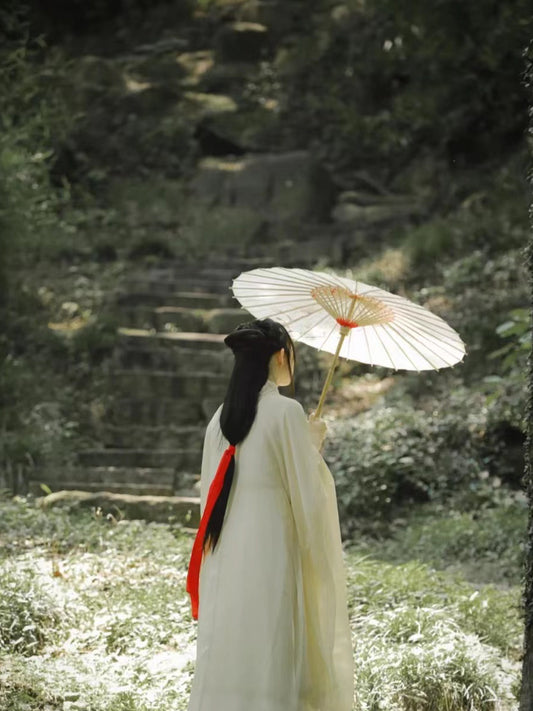
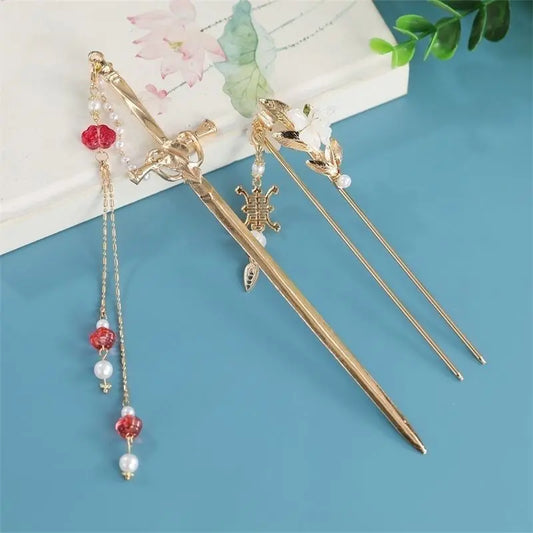
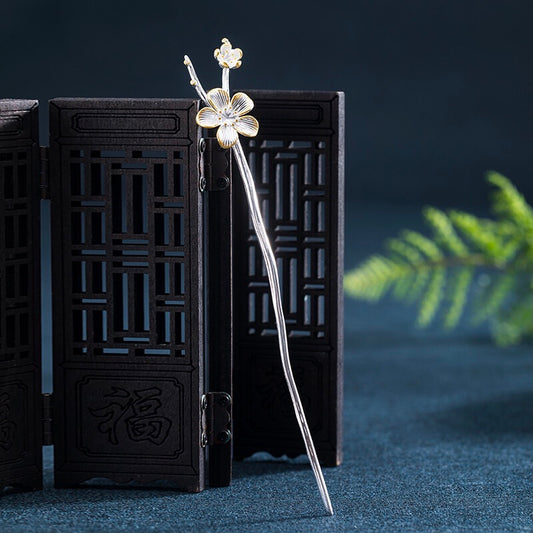
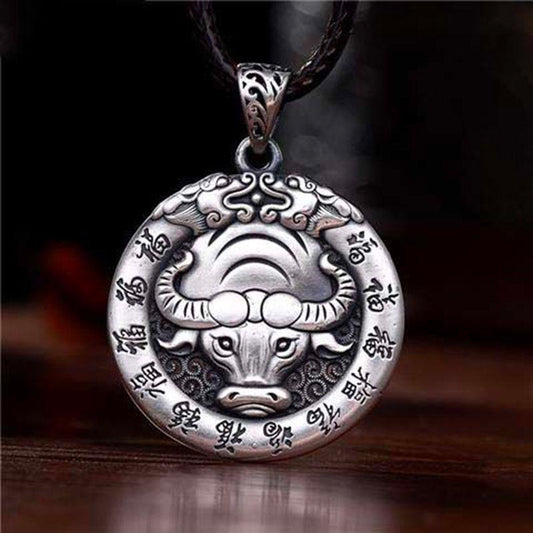
These shop links offer modern Chinese craft and jewelry categories. They are included for thematic browsing and are not presented as Dai-made heritage objects.