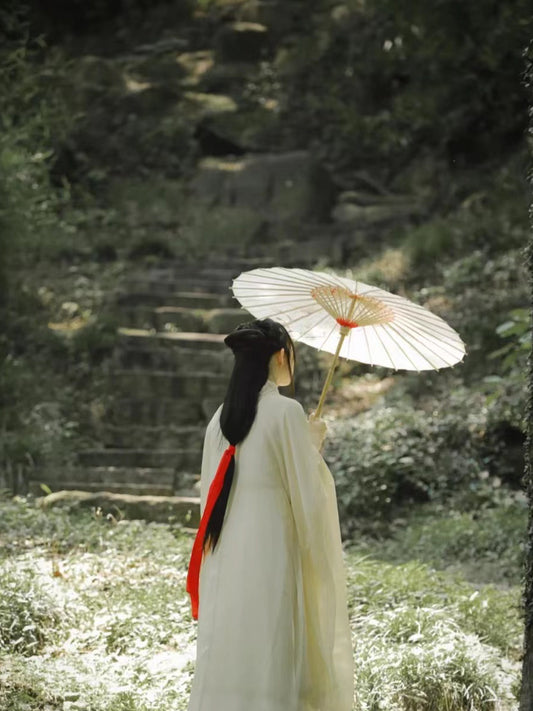
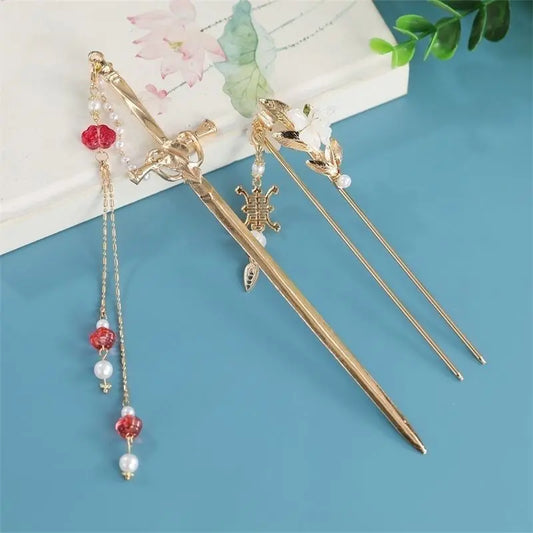
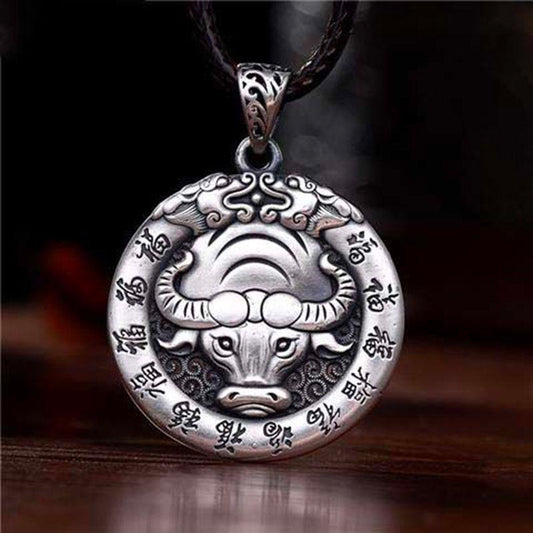
Yi culture is a living tradition shaped by mountain landscapes, multilingual communities, textiles, fire festivals, music and ancestral memory. The Yi are one of China’s major officially recognized ethnic groups, with communities concentrated in Yunnan, Sichuan, Guizhou and northwestern Guangxi.
Yi heritage includes regional languages and writing systems, embroidered clothing, Torch Festival celebrations, the Yi New Year, epic and ritual texts, three-string music, group dances and distinctive local foodways. These traditions are not identical from one place to another. A respectful account names the community and region instead of treating one local style as representative of every Yi family.

Yi People at a Glance
| Name | Yi people |
|---|---|
| Chinese name | 彝族 (Yízú) |
| 2020 population | 9,830,327 people |
| Main distribution | Yunnan, Sichuan, Guizhou and northwestern Guangxi |
| Languages | Yi languages with major regional varieties; many people also use Mandarin or another local language |
| Writing | Traditional Yi writing and modern regional standard schemes, including Sichuan and Yunnan forms |
| Representative traditions | Torch Festival, Yi New Year, Yi embroidery, Axi Tiaoyue, Haicaiqiang, ritual and epic texts |
Who Are the Yi, and Where Do They Live?
The Yi are distributed across the mountains, plateaus, river valleys and hill country of southwest China. The National Ethnic Affairs Commission records 9,830,327 Yi people in 2020, with the largest concentrations in Yunnan, Sichuan and Guizhou. Liangshan Yi Autonomous Prefecture is one of the best-known Yi regions, while Chuxiong, Honghe, Bijie and Liupanshui connect Yi history with other local landscapes.
Yi communities also use different self-names, including Nuosu, Nasu, Niesu, Sani and Axi. These names reflect language, locality and historical identity. The modern umbrella name “Yi” should therefore be understood as a connected but internally diverse cultural field.
Regional Histories and Identity
Yi history developed through long interaction among communities in the southwest. Historical records used different names for populations in Yunnan, Sichuan and Guizhou, and local societies also exchanged people, technologies, religious knowledge and agricultural practices with neighbouring groups.
Because historical categories do not map perfectly onto modern ethnic identities, careful writing avoids presenting one ancient label as a complete explanation of all Yi history. Regional genealogies, oral traditions, manuscripts, village landscapes and contemporary community memory all contribute to how people understand the past.
Yi Languages and Writing
Yi languages belong to the Lolo-Burmese branch of the Sino-Tibetan language family. Major regional varieties can differ considerably in sound, vocabulary and grammar. Many Yi people are multilingual, using Yi at home or in community settings and Mandarin in school, work or public administration.
Traditional Yi writing was used for ritual texts, genealogies, calendars, medicine, history, poetry and divination. Historical forms were not completely uniform across regions. Modern standard schemes were later developed for particular areas, including the Sichuan standard and the Yunnan standard. It is more accurate to speak of a family of Yi writing traditions than of one unchanged script.

Mountain Landscapes and Villages
Yi communities live in environments ranging from high mountain valleys to warmer river basins. Farming, animal husbandry, forestry, trade and wage work have all shaped local livelihoods. Village layouts and houses vary with altitude, materials, climate and historical connections.
In some places, houses use timber, stone, earth or tile and are arranged around family compounds and shared paths. Elsewhere, newer concrete homes stand beside older structures. A roof, wall material or isolated object cannot by itself prove an ethnic attribution; the people, place and documented context matter.
Clothing and Yi Embroidery
Yi clothing differs by region, gender, age, marital status and occasion. Dark cloth, bright woven borders, head coverings, silver ornaments, waist bands and embroidered panels appear in many communities, but colours and silhouettes are not universal.
Liangshan Yi embroidery uses techniques such as counted-thread work, appliqué, couching, chain stitch and patchwork. Motifs may draw on the sun, plants, fire-making tools, animals and geometric forms. Embroidery is used on collars, cuffs, aprons, capes, headwear, bags and other everyday objects. The same motif can carry different meanings in different communities, so interpretation should be grounded in local makers’ explanations.

Torch Festival
The Torch Festival is one of the best-known Yi celebrations. It is often held around the sixth day of the sixth lunar month, with dates and practices varying by locality. Activities may include lighting torches, singing, dancing, wrestling, horse events, communal meals and visits among relatives.
Fire can carry meanings connected with light, protection, agriculture, community and celebration. Torch Festival practices are not identical among all Yi communities, and related fire festivals are also observed by other peoples in southwest China. A good description identifies the place and the local program rather than presenting one event as a universal template.

Yi New Year
Yi New Year, often called Kushi in Liangshan contexts, brings together ancestor remembrance, family reunion, food, music, dress and games. The date is not a single fixed day for every Yi community; in many places it follows the agricultural calendar and is selected locally after the autumn harvest.
Celebrations can include preparing meat and wine, cleaning the home, welcoming relatives, honouring elders, singing and sharing meals. The festival is both a social gathering and a way of renewing relationships between families, ancestors and the wider community.
Music, Dance and the Three-String Tradition
The three-string instrument appears in several Yi music and dance traditions. Axi Tiaoyue, associated especially with Axi Yi communities around Mile in Yunnan, is a group dance in which men commonly play the sanxian while dancers move to a lively rhythm. It is a regional tradition, not a label for every Yi dance.
Other Yi communities maintain their own songs, dances, instruments and performance settings. Music may accompany courtship, festivals, ritual, storytelling and recreation. The social setting and the people who perform a tradition are as important as the instrument itself.

Foodways and Hospitality
Yi foodways are shaped by altitude, crops, livestock, markets and local taste. Grain foods, potatoes, buckwheat, vegetables, meat, fermented foods and locally made drinks appear in different combinations. Some dishes are associated with festivals or hospitality rather than everyday meals.
Sharing food is often part of welcoming guests, celebrating a marriage, marking a festival or strengthening family ties. A photograph of a communal meal can suggest hospitality, but it cannot establish that one dish is eaten by all Yi people or belongs to one region alone.

Ritual Specialists and Written Heritage
In some Yi communities, ritual specialists known as bimo have played important roles in ceremonies, teaching, healing traditions and the preservation of written and oral knowledge. Yi manuscripts include ritual texts, genealogies, calendars, myths, ethical teachings and historical narratives.
These traditions are not simply museum objects. Their meanings depend on language, performance, community authority and the circumstances in which they are used. Public descriptions should avoid treating sacred texts or ritual knowledge as decorative motifs available for unrestricted commercial use.
Contemporary Transmission and Respectful Storytelling
Contemporary Yi life includes urban residents, rural households, students, teachers, craftspeople, performers, researchers and digital creators. Young people may encounter heritage through family teaching, schools, museums, festivals, workshops, tourism projects and social media.
Responsible cultural storytelling names the region, credits makers and performers, distinguishes historical clothing from stage costume, and asks permission before using personal images or community-specific designs. Traditional culture can change and still remain meaningful; continuity depends on people deciding how knowledge should be taught, used and represented.
Cultural Symbols and Related Craft Inspiration
These contemporary Chinese craft products connect broadly with embroidery, ornament and household handwork. They are not presented as Yi-made heritage objects, and their appearance is not evidence of a Yi origin.
 DIY Chinese Embroidery Set
A hands-on introduction to stitching, colour planning and layered textile construction.
$36.99 Bamboo Tea Cup Mat Set
A contemporary household object highlighting bamboo as a durable craft material.
$76.99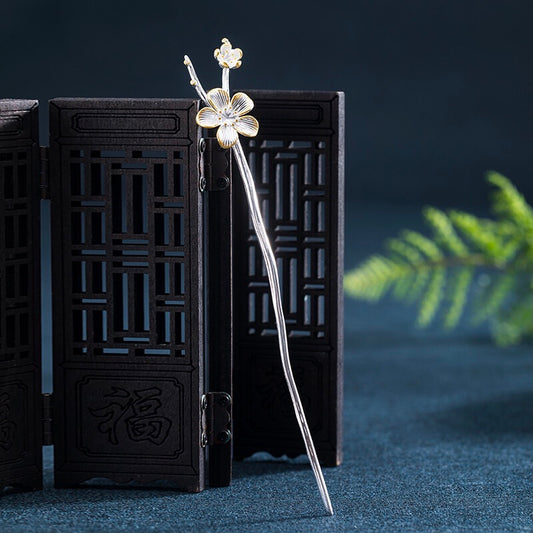 Plum Blossom Silver Hairpin
A contemporary floral ornament for exploring pattern, adornment and personal style.
$46.99Frequently Asked Questions
Where do the Yi mainly live?
They are mainly distributed across Yunnan, Sichuan, Guizhou and northwestern Guangxi, with large regional communities in places such as Liangshan and Chuxiong.
Do the Yi have their own language and writing?
Yes. Yi languages have major regional varieties, and traditional Yi writing has been used for ritual, genealogical, historical and literary texts. Modern standard schemes differ by region.
Is the Torch Festival celebrated by every Yi community in the same way?
No. Dates, rituals, performances and public programs vary by locality. Related fire festivals are also found among neighbouring peoples.
Is all colourful clothing shown in photographs traditional Yi clothing?
No. Yi clothing varies by region and occasion, and stage costumes may differ from everyday dress. Attribution should be based on documented context, not colour alone.
What is Axi Tiaoyue?
It is a regional Yi group dance associated especially with Axi communities in Yunnan. It commonly features the sanxian and lively collective movement.
References and Further Reading
Population figures refer to 2020. The sources below are primarily Chinese-language official or cultural-heritage resources. Local practices should not be generalized to every Yi community.
- National Ethnic Affairs Commission: Yi overview. Population, distribution, language and regional geography.
- National Ethnic Affairs Commission: Yi historical development. Historical names, regional formation and social organization.
- National Ethnic Affairs Commission: Yi customs. Clothing, houses, villages, food and hospitality.
- National Ethnic Affairs Commission: Origins and development of Yi writing. Traditional texts and writing history.
- China Intangible Cultural Heritage Network: Yi Torch Festival.
- China Intangible Cultural Heritage Network: Yi New Year.
- China Intangible Cultural Heritage Network: Yi embroidery of Liangshan.
- China Intangible Cultural Heritage Network: Sani Yi embroidery.
- China Intangible Cultural Heritage Network: Yi three-string dance, Axi Tiaoyue.
- China Intangible Cultural Heritage Network: Yi Haicaiqiang.
Related Reading
Recommended Categories
Image note: The selected images were uploaded from the supplied materials without prominent Chinese captions, logos or watermarks. Images containing obvious Chinese text or platform marks were not used.