The Chinese Showcase journal Jewelry Knowledge
What Is a Flower Hairpin Meaning in Chinese Culture?
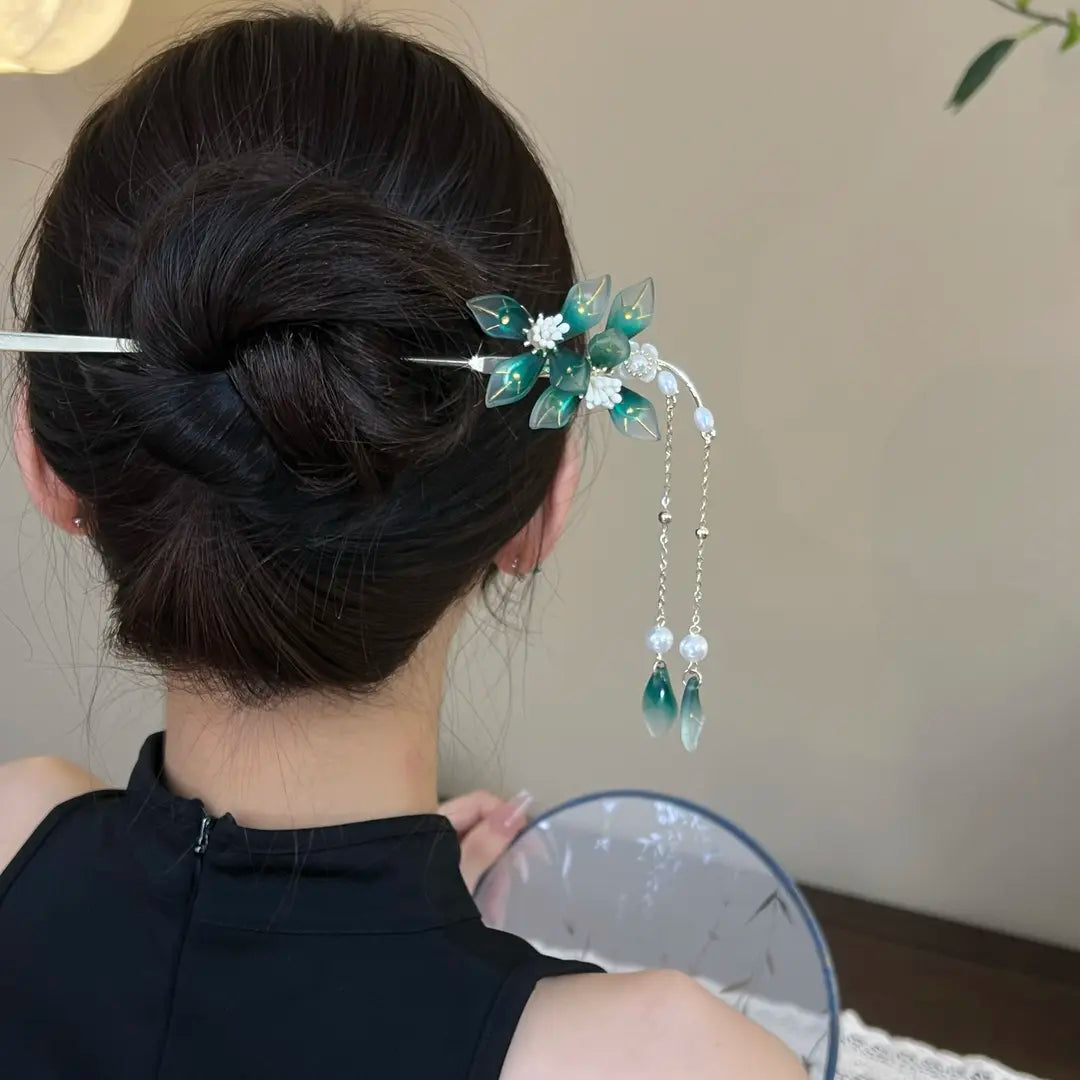
Flower hairpins have been cherished throughout Chinese history not only as beautiful accessories but also as meaningful cultural symbols. Rooted deeply in tradition, these delicate adornments carry rich symbolism associated with virtues, emotions, and wishes. Their significance extends far beyond mere decoration, embodying the essence of Chinese aesthetics, philosophy, and social customs.
The Origins and Evolution of Flower Hairpins in China
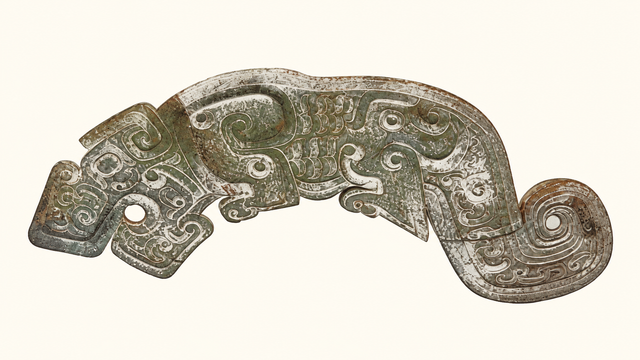
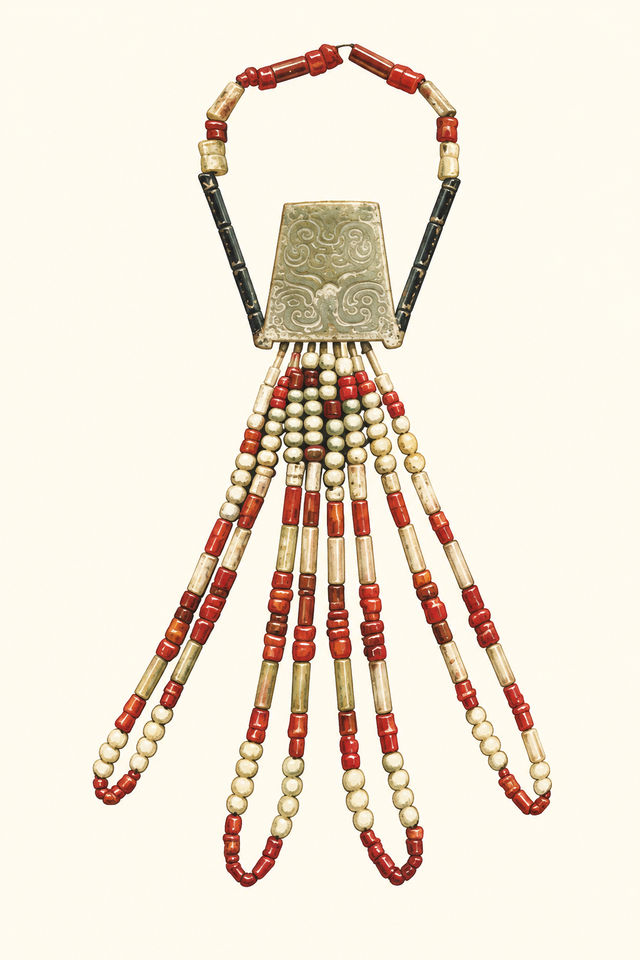
The use of hairpins (known as 簪子 or 发簪) in China dates back thousands of years, with archaeological finds revealing exquisite hairpins from the Shang and Zhou dynasties. Flower motifs became especially popular during the Tang (618–907 AD) and Song (960–1279 AD) dynasties, when intricate floral designs symbolized various ideals and were commonly worn by women of different social ranks.
Hairpins served practical functions of holding hairstyles in place but also functioned as personal and social statements. Different flowers carved or sculpted onto hairpins expressed qualities such as purity, resilience, love, and prosperity. Through dynasties and changes in fashion, flower hairpins remained a vital part of female adornment, ceremony, and cultural identity.
Symbolism of Flowers in Chinese Culture
In Chinese culture, flowers hold profound symbolic meanings, often linked to seasons, virtues, or mythology. These meanings translate directly to flower hairpins, making the choice of flower highly significant:
- Plum Blossom (梅花): Symbolizes endurance and hope, as it blooms vibrantly during the cold winter, representing strength and purity amidst adversity.
- Osmanthus (桂花): Represents nobility, love, and the sweetness of life, often associated with mid-autumn festivities and poetic romance.
- Lily of the Valley (铃兰): Signifies humility, sweetness, and renewed happiness, a delicate flower expressing innocence and joy.
“Each flower chosen for a hairpin tells a story — a wish for strength, love, or happiness that the wearer carries with her.”
The Cultural Role of Flower Hairpins in Daily Life and Ceremonies
Flower hairpins have played key roles in various ceremonies and everyday life throughout Chinese history:
- Coming-of-Age Rituals: Young women wore flower hairpins during their transition to adulthood, symbolizing blossoming maturity and virtue.
- Weddings: Brides adorned themselves with flower hairpins to express wishes for a happy marriage and fertility.
- Festivals and Celebrations: During traditional festivals like the Lunar New Year or Mid-Autumn Festival, flower hairpins enhanced festive attire with auspicious symbolism.
- Everyday Elegance: Beyond ceremonies, flower hairpins added grace and beauty to daily hairstyles, showcasing personal taste and cultural pride.
Three Picks from Chinese Showcase
Three contemporary shop selections inspired by this article’s materials, motifs, or wider decorative themes. These products are not historical artifacts. Check each product page for current specifications, price, and availability.

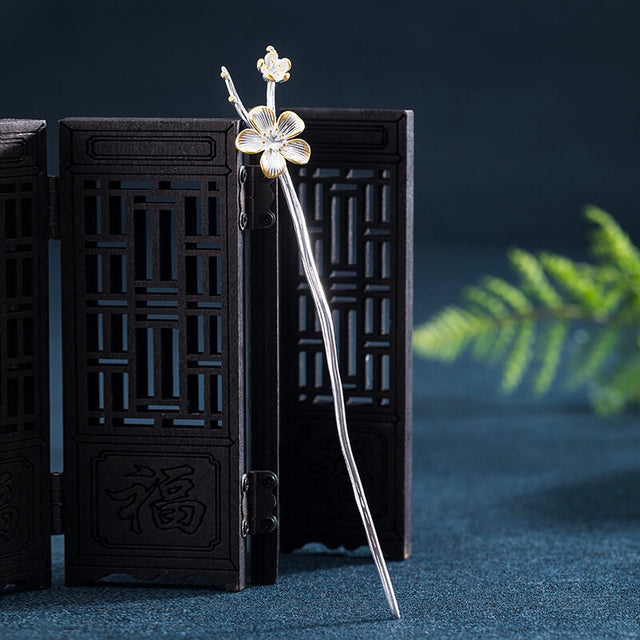
5 plum flowers 2 pearl butterfly tassel crystal hairpin - sterling silver
View product details
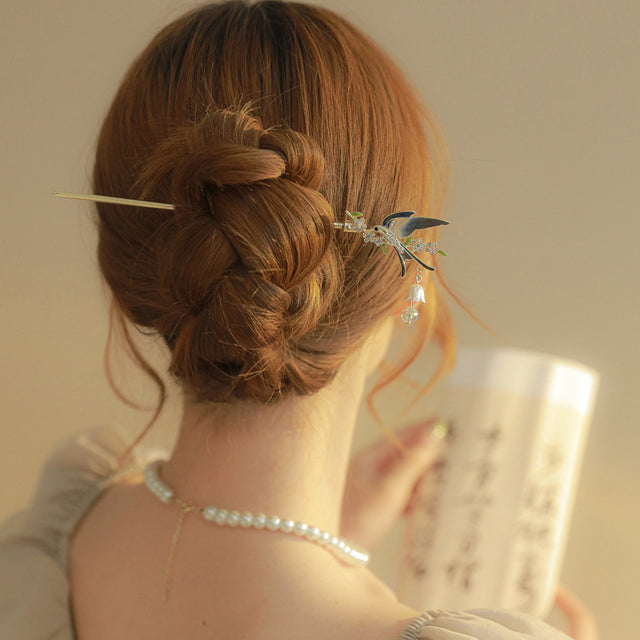
Linglan Flower Pearl 3 Tassel Hairpin
View product details
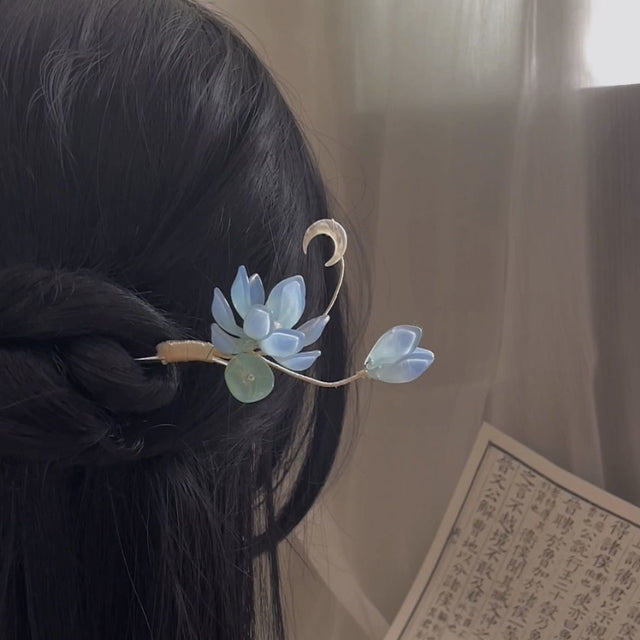
Handmade Velvet Lotus Flower Hairpins | Traditional Chinese Hanfu & Qipao Accessories
View product detailsThe Artistry and Craftsmanship Behind Flower Hairpins
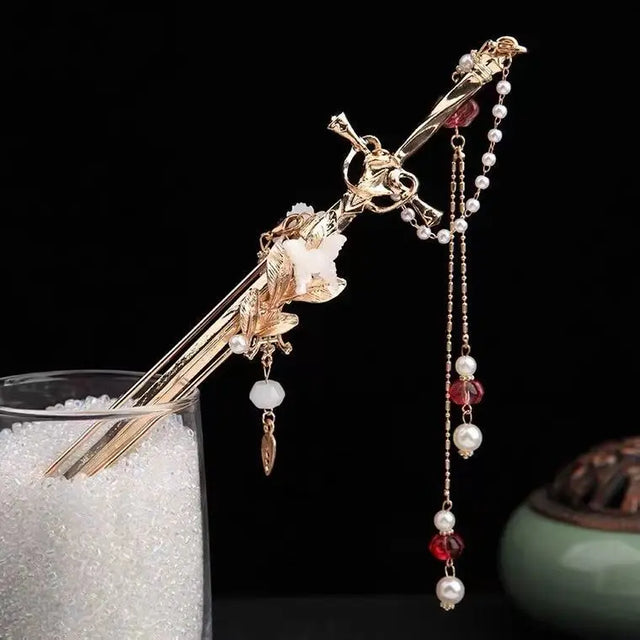
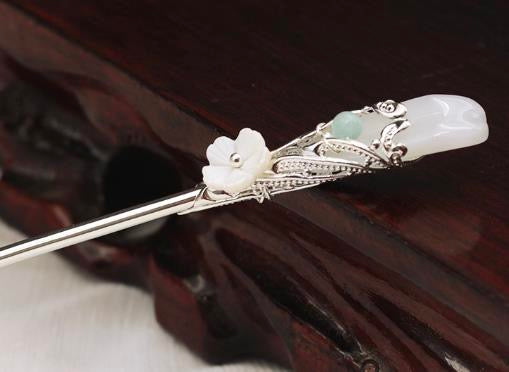
Flower hairpins are often handcrafted with meticulous attention to detail. Materials range from precious metals like silver and gold to modern alloys, adorned with crystals, pearls, and enamel. The designs fuse classical Chinese artistic elements with contemporary aesthetics, allowing them to be versatile accessories for both traditional Hanfu and modern outfits.
Craftsmen employ techniques such as filigree, stone setting, and lacquer work to create hairpins that not only serve as beautiful adornments but also as collectible art pieces. These hairpins celebrate the harmony between nature, culture, and personal expression.
How to Choose and Wear a Flower Hairpin
When selecting a flower hairpin, consider the flower’s symbolism, the occasion, and your personal style. For example:
- Choose a plum blossom hairpin to convey strength and resilience, ideal for milestone events or personal empowerment.
- Opt for an osmanthus hairpin for romantic occasions or celebrations related to love and prosperity.
- Select a lily of the valley hairpin to express innocence and sweetness, perfect for youthful or casual styles.
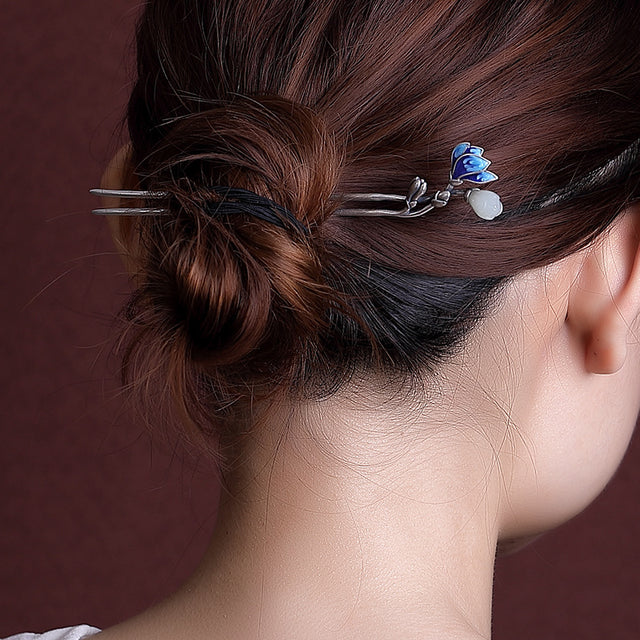
Flower hairpins can be styled with traditional Chinese attire such as Hanfu or Qipao, or incorporated into modern hairstyles for weddings, festivals, and daily elegance.
Conclusion: Embracing Tradition Through Flower Hairpins
Flower hairpins are much more than ornamental accessories; they are vessels of cultural memory, personal aspirations, and timeless beauty. By wearing a flower hairpin, one not only honors ancient Chinese traditions but also adds a meaningful and graceful accent to their own story.
Whether you seek strength, love, humility, or joy, there is a flower hairpin that resonates with your spirit. Explore our curated collection of exquisite flower hairpins to find the perfect piece that blends heritage with elegance.
Stories, symbols and everyday objects
Our journal explores Chinese culture and design. Traditions and interpretations vary by region and source. For a purchase, use the specifications on the individual product page.
About Chinese ShowcaseQuestions or corrections? Contact us ↗