What Is the Lotus Pattern? Chinese Lotus Symbol Meaning, History, and Cultural Uses
The lotus pattern is one of the most important floral motifs in Chinese art and traditional design. It is based on the lotus flower, lotus leaves, lotus petals, seed pods, scrolling stems, and stylized lotus blossoms. In Chinese culture, the lotus is not just a beautiful flower. It is a symbol of purity, moral integrity, harmony, renewal, and auspicious blessing.
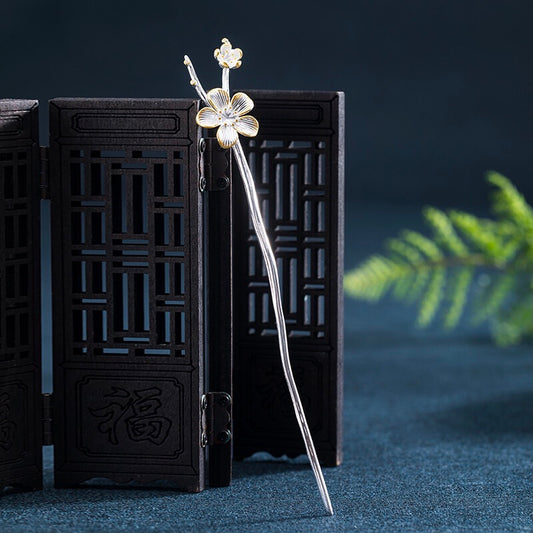
When people search for “Chinese lotus symbol,” “lotus flower meaning in Chinese culture,” or “Chinese lotus flower pattern,” they are usually asking about more than decoration. They want to understand why this flower appears so often on porcelain, Buddhist statues, temple architecture, jewelry, embroidery, hairpins, paintings, furniture, and modern Chinese-style accessories.
Quick answer: The Chinese lotus pattern is a traditional decorative motif based on the lotus flower. It symbolizes purity, elegance, peace, harmony, spiritual growth, and good fortune. Because the Chinese word for lotus, lian, sounds like words meaning “continuous” or “connected,” lotus patterns are also associated with lasting blessings, family harmony, and abundance.
What Does the Lotus Flower Symbolize in Chinese Culture?

In Chinese culture, the lotus flower most commonly symbolizes purity and moral beauty. The flower grows from muddy water but rises above the surface clean and graceful. Because of this, Chinese scholars and artists often used the lotus as a symbol of a person who can remain honest, refined, and self-possessed even in a complicated world.
This meaning is famously expressed in Zhou Dunyi's essay Ai Lian Shuo, often translated as “On the Love of the Lotus.” In that text, the lotus is admired because it rises from mud without being stained. Over time, this idea became one of the most recognized cultural meanings of the lotus in China.
The lotus also carries auspicious meanings. The Chinese word for lotus, lian, can echo meanings such as continuity and connection. That is why lotus motifs often appear in blessing patterns. A lotus with fish can suggest “abundance year after year.” A lotus with children can suggest family continuity. A lotus with mandarin ducks can suggest harmony in marriage.
The History of the Chinese Lotus Pattern
Lotus imagery appeared in Chinese decorative art very early, but it became especially prominent after Buddhism entered China. Buddhist art gave the lotus a deeper spiritual role. Buddhas and bodhisattvas are often shown seated on lotus thrones, and lotus motifs appear in grottoes, temple murals, sculptures, ritual objects, and architectural decoration.
During the Tang dynasty, lotus patterns became fuller and more decorative. They were often combined with scrolling vines, symmetrical petals, and rich floral structures. During the Song dynasty, lotus designs became more restrained and elegant, especially on ceramics and refined everyday objects. By the Ming and Qing dynasties, lotus patterns were widely used on porcelain, furniture, textiles, jewelry, and folk auspicious images.
This long history explains why the lotus pattern feels both spiritual and everyday. It can appear in a temple, on a blue-and-white porcelain vase, on a silver hairpin, or on a modern necklace. Its meaning changes slightly by context, but its core feeling remains peaceful, clean, and graceful.
Common Types of Lotus Patterns
Realistic Lotus Pattern
A realistic lotus pattern shows the flower in a natural form, with petals, leaves, stems, and sometimes seed pods. This style is common in paintings, embroidery, jewelry, and porcelain decoration. It feels soft, elegant, and close to nature.
Lotus Petal Pattern
The lotus petal pattern uses repeated petal shapes as a border or structural design. It often appears around the base of Buddhist statues, on temple details, porcelain bases, and architectural components. The repeated petals create rhythm and order.
Scrolling Lotus Pattern
The scrolling lotus pattern combines lotus flowers with continuous vines or curling stems. This style is very common in Chinese porcelain, textiles, and furniture. Because the vines seem to continue endlessly, the pattern can suggest ongoing blessing, vitality, and family prosperity.
Baoxiang Lotus Pattern
The baoxiang lotus is a more stylized and idealized flower motif. It often combines features of lotus, peony, and other flowers into a symmetrical, sacred-looking design. It was especially important in Buddhist and Tang-style decorative art.
Lotus Combination Patterns
Lotus patterns are often paired with fish, mandarin ducks, children, butterflies, clouds, ruyi shapes, or gourds. These combinations create layered meanings. Lotus and fish suggest abundance. Lotus and mandarin ducks suggest marital harmony. Lotus and butterflies can suggest beauty, transformation, and lightness.
Lotus Symbolism in Buddhism

The lotus is one of the most important symbols in Buddhist art. It represents purity, enlightenment, spiritual awakening, and freedom from worldly attachment. A Buddha or bodhisattva seated on a lotus throne suggests a state of sacred clarity above ordinary suffering and confusion.
In Chinese Buddhist art, lotus patterns are found on statues, mandalas, temple ceilings, ritual vessels, incense burners, stone carvings, and murals. In this context, the lotus is not only decorative. It is a visual expression of spiritual cultivation.
At the same time, lotus patterns are not limited to religion. In everyday Chinese culture, they can simply mean elegance, harmony, sincerity, and good wishes. That flexibility is one reason the lotus remains so popular in modern design.
Is the Lotus Flower Chinese or Japanese?
The lotus flower is not exclusively Chinese or Japanese. It is a plant and symbol used across many Asian cultures, including Chinese, Indian, Japanese, Korean, Vietnamese, and Southeast Asian traditions. In China, the lotus has a very long history in literature, Buddhism, painting, ceramics, and decorative patterns.
Japanese culture also uses lotus symbolism, especially through Buddhism. However, when people say “Chinese lotus pattern,” they usually mean lotus motifs shaped by Chinese design traditions, such as blue-and-white porcelain lotus scrolls, Ming-style floral patterns, lotus hairpins, carved jade lotus pendants, or Chinese Buddhist lotus thrones.
Does the Lotus Flower Have a Dark Meaning?
In Chinese culture, the lotus generally does not have a dark meaning. It is usually positive, symbolizing purity, peace, harmony, and spiritual refinement. However, like many symbols, the lotus can carry more complex meanings depending on context.
Because lotus flowers grow from mud, they can also remind people of struggle, difficulty, or transformation. This is not exactly negative. It means that beauty and clarity can come from difficult conditions. In some modern interpretations, the lotus may symbolize healing after pain or growth after hardship.
There is also a separate topic around the blue lotus. Blue lotus is sometimes discussed for its psychoactive properties. In the United States, it is generally described as not federally scheduled, but products may be unregulated and rules can vary by context. It is also prohibited for U.S. military personnel. This legal and health topic is different from the traditional Chinese lotus pattern used in art and jewelry.
What Does It Mean When Someone Gives You a Lotus Flower?
If someone gives you a lotus flower or lotus-themed gift, the meaning is usually gentle and respectful. It may express admiration for your purity, calmness, elegance, or inner strength. In Chinese cultural language, it can also mean a wish for peace, harmony, personal growth, and a clean-hearted life.
A lotus gift is especially suitable for people who like Chinese aesthetics, Buddhist-inspired art, quiet elegance, or symbolic jewelry. It is not an overly romantic symbol by itself, so it can be given to friends, family members, teachers, partners, or people beginning a new stage of life.
Lotus Jewelry Recommendations
Lotus jewelry should not be treated as a promise of luck or as a way to control the future. In this context, Chinese-style jewelry is better understood as symbolic language. A lotus earring, pendant, ring, or hairpin can be worn as a quiet reminder of purity, calmness, resilience, and graceful self-cultivation.

Oriental Lotus Flower Earrings
These lotus earrings express the classic Chinese meaning of purity, elegance, and peaceful beauty in a wearable form.
View Symbol Piece
Jade Bead Lotus Drop Earrings
The lotus and jade-inspired bead create a gentle Chinese-style symbol of refinement, harmony, and inner clarity.
View Symbol Piece
Lotus Step Earrings
A lighter lotus design for everyday wear, suitable for expressing quiet grace, cultural taste, and soft auspicious meaning.
View Symbol PieceFAQ
What do lotus flowers symbolize in Chinese culture?
Lotus flowers symbolize purity, moral integrity, elegance, harmony, spiritual growth, and auspicious blessing. They are admired because they rise from muddy water without being stained.
What is a Chinese lotus?
A Chinese lotus usually refers to the lotus flower as understood in Chinese culture and art. It can appear as a natural flower, a Buddhist symbol, or a decorative pattern on porcelain, jewelry, architecture, and textiles.
What is the Chinese lotus symbol?
The Chinese lotus symbol represents purity, peace, self-cultivation, harmony, and good wishes. It is also connected with continuity because the word lotus, lian, can echo meanings of connection and continuation.
What is the meaning of the lotus flower in Chinese culture?
In Chinese culture, the lotus means clean character, graceful beauty, spiritual refinement, and the ability to remain upright in a difficult environment.
Is the lotus flower Chinese or Japanese?
The lotus is not only Chinese or Japanese. It appears across many Asian traditions. Chinese lotus patterns, however, have their own visual language in porcelain, Buddhism, literature, jade carving, and traditional jewelry.
What is the Chinese lotus flower pattern?
The Chinese lotus flower pattern is a decorative motif using lotus blossoms, petals, leaves, seed pods, and scrolling stems. It is common in ceramics, embroidery, temple art, furniture, and jewelry.
What is the dark meaning of lotus flower?
In Chinese culture, the lotus usually does not have a dark meaning. It can, however, suggest transformation after hardship because it grows from mud and blooms cleanly above the water.
What does the Bible say about a lotus flower?
The lotus is not as central in the Bible as it is in Asian Buddhist and Chinese symbolism. Some translations mention lotus-like plants, but the Chinese cultural meaning of the lotus mainly comes from Chinese literature, Buddhism, and decorative arts.
What does it mean when someone gives you a lotus flower?
It usually means respect, peace, admiration, and good wishes. In a Chinese cultural context, a lotus gift can suggest purity, harmony, and graceful personal growth.
Is blue lotus flower illegal in the US?
Blue lotus is generally described as not federally scheduled in the United States, but products may be unregulated, rules may vary by situation, and it is prohibited for U.S. military personnel. This is different from the traditional lotus motif used in Chinese art and jewelry.
Is lotus a lucky symbol?
Yes. In Chinese culture, the lotus is often considered auspicious. It can symbolize harmony, purity, continuous blessing, and peaceful growth.
What is the most powerful symbol in China?
There is no single answer. The dragon is often considered one of the most powerful Chinese symbols, while the lotus is one of the most important symbols of purity, harmony, and spiritual beauty.
References
The Palace Museum: Chinese Art and Decorative Motifs
The Metropolitan Museum of Art: Chinese Decorative Arts
Britannica: Lotus Plant
Chinese Text Project: Classical Chinese Texts
U.S. Department of Defense: Prohibited Dietary Supplement Ingredients
Recommended Categories