The Monba people are one of China's officially recognized ethnic groups and one of its smaller populations. Their best-known communities live in southeastern Tibet, particularly in areas associated with Cona and Medog. Mountain valleys, forests, rivers, varied elevations, and long cultural exchange have shaped a heritage that includes the Monba language, oral literature, distinctive regional clothing, buckwheat and rice foodways, woodcraft, songs, dance, drama, and community festivals.
Monba culture should not be reduced to a single costume or an image of timeless mountain life. Communities differ by locality, and contemporary Monba families use modern education, transport, communication, housing, and employment while continuing to interpret and transmit selected traditions. This guide presents history and culture in an accessible form while distinguishing documented heritage from modern illustrative imagery.
| Topic | Overview |
|---|---|
| Common English name | Monba; the spelling Moinba is also used in some references |
| Chinese name | Menba |
| Main communities | Southeastern Tibet, especially areas associated with Cona and Medog |
| Language | Monba language varieties; Tibetan is also widely used in many contexts |
| Traditional transmission | Oral narratives, songs, performance, apprenticeship, and Tibetan writing in relevant settings |
| Representative heritage | Sama songs, Monba opera, Bacham masked dance, wooden bowls, clothing, and oral literature |
| Important caution | Food, speech, dress, and customs vary by region, village, generation, and occasion |
What Does the Name Monba Mean?
The name is commonly connected with Mon, a historic regional term, and is often explained as "people who live in Mon." Monba is both an ethnic name and a reminder of the geographic setting in which the community developed. Other local self-designations can also occur because residence and migration created regional identities.
English-language sources use both Monba and Moinba. Monba is concise and widely recognized, while Moinba appears in official translations and reference works. Both refer to the same officially recognized ethnic group in China.
Where Do the Monba People Live?
Monba communities are concentrated in southeastern Tibet. Cona and Medog are frequently identified as important areas of residence, but the geography is far from uniform. Some settlements are connected with high mountain valleys and cold seasonal conditions, while others lie in lower, wetter environments with dense forest and abundant rainfall.
This environmental range helps explain why no single menu, house type, or costume can represent every Monba community. Elevation affects crops, building materials, clothing weight, travel, and access to forest products. Mountain paths historically connected homes with fields, water, pasture, markets, and religious sites.

A Short History of the Monba People
Monba history developed through the long interaction of communities native to the Mon region and groups moving through the wider Tibetan Plateau and Himalayan world. By the period before the Tibetan Empire unified many plateau communities, recognizable Monba populations had already taken shape through residence, exchange, intermarriage, and shared local life.
From the seventh century onward, the Mon region became more closely connected with the Tibetan Empire. Political administration, trade, religion, and travel strengthened contact between Monba and neighboring communities. Historical Tibetan records mention populations in southern regions and reflect these long-standing relationships.
During the Yuan period, the Mon region entered the administrative sphere of the Sakya government in Tibet. From the fourteenth through the sixteenth centuries, later Tibetan regimes continued to influence the area. Officials, tax arrangements, relay stations, checkpoints, markets, monasteries, and religious teachers connected mountain villages to broader political and economic systems.
Traditional village institutions nevertheless remained important. Communities coordinated access to land and water, settled disputes, organized shared labor, maintained routes, and arranged ritual and social events. Local leaders linked household life with wider systems of authority.
Modern transport, public education, healthcare, agriculture, and communication transformed daily life. Agricultural productivity and access to goods improved, and employment expanded beyond subsistence farming. These changes should be understood as part of living Monba history rather than as a simple opposition between "tradition" and "modernity."
| Period | Why It Matters |
|---|---|
| Early formation | Local populations and migrants interacted over generations, producing regional communities with related languages and customs. |
| Seventh century onward | Political, religious, and economic links with the Tibetan Empire and plateau communities became stronger. |
| Thirteenth century onward | Administrative systems, taxation, markets, routes, and monasteries linked the region with successive Tibetan governments. |
| Modern period | Roads, schools, healthcare, modern agriculture, communications, and new employment reshaped everyday life. |
| Today | Community transmission, digital recording, heritage programs, tourism, and contemporary creativity all influence Monba culture. |
Migration and Regional Diversity
Medog became another important center of Monba residence through historical migration. Families moving from Mon and neighboring areas adapted to a warmer, wetter environment. Rice, maize, millet, forest plants, and different construction needs became more prominent than in colder high-altitude settings.
Regional diversity is therefore fundamental. Speech varieties differ, clothing responds to local materials and temperature, and festival schedules or household foods may not be identical. A useful introduction describes shared cultural themes while leaving space for village-level knowledge.
Monba Language and Oral Literature
The Monba have their own spoken languages or language varieties, generally discussed within the Sino-Tibetan language family. Multilingualism is common, and Tibetan is widely known in many communities. Tibetan writing has been used in religion and wider communication, while Monba knowledge was traditionally carried mainly through speech, memory, song, observation, and practice.
This oral system produced a rich body of myths, animal tales, local legends, narrative poetry, work songs, love songs, pastoral songs, and drinking songs. Stories could explain a river or mountain, entertain children, praise kindness, criticize greed, or preserve memories of migration and village life.
Oral transmission is flexible: a skilled narrator can adjust wording to listeners and circumstances. It is also vulnerable when young people no longer hear the language regularly. Audio and video archives, bilingual documentation, community teaching, and opportunities to use Monba in ordinary life are therefore all important.
What Does Traditional Monba Clothing Look Like?
Monba clothing varies by region. Warmth, rainfall, available cloth, trade, personal preference, and the purpose of the garment all matter. Dark or white foundations may be combined with red, blue, green, yellow, and other woven bands. Women's festival dress can include aprons, belts, necklaces, earrings, bracelets, headwear, and layered ornaments, while men's clothing may emphasize practical robes, belts, boots, and contrasting borders.

Jewelry and decorative metalwork add reflected light and movement. Beads, pendants, waist ornaments, and hair decorations can become especially visible during weddings, festivals, or cultural performances. Meanings should not be guessed solely from shape or color; a maker, wearer, village, and occasion provide the necessary context.

Today most people wear modern clothing in daily life and select traditional or newly designed ethnic dress for festivals, weddings, performances, family events, and cultural education. This does not make the garments inauthentic. It shows that clothing remains a creative language rather than a museum uniform.
Monba Food: Staple Crops and Regional Diets
Monba foodways reflect elevation and local agriculture. Common staples described in official ethnographic summaries include buckwheat cakes, maize, rice, barley foods, and finger-millet porridge. In colder or higher areas, hardy grains such as buckwheat and barley are practical. In warmer Medog communities, rice, maize, and millet can play a larger role.
Buckwheat flour may be mixed with water and baked on a heated stone or cooking surface. The resulting cake is portable and suitable for fieldwork or travel. It may be eaten alone or with vegetables, broth, meat, chili, or other side dishes. Maize can be boiled, ground, mixed with other grains, or fermented.
Common vegetables include cabbage, radish, turnip, potato, and cucumber, with seasonal variation. Forest and valley environments may also provide mushrooms, bamboo shoots, herbs, and wild greens, but responsible writing should not imply that all gathered plants are safe or legally available today.
Meat has historically included yak, cattle, pork, mutton, and chicken, depending on locality and household resources. Drying and smoking help preserve food for winter, travel, or festival use. Modern markets have expanded the range of vegetables, fruit, packaged foods, and seasonings available to families.
| Food or Drink | Role in Daily Life | Regional Note |
|---|---|---|
| Buckwheat cakes | Portable staple made from flour and water, often baked on a heated surface | Especially suited to mountain agriculture and cooler conditions |
| Rice and maize | Everyday staples prepared alone or with other grains and vegetables | More prominent in warmer, wetter areas such as Medog |
| Finger-millet porridge | A filling grain preparation | Availability depends on local cultivation |
| Meat and broth | Daily or festive food depending on household and season | Preservation methods include drying and smoking |
| Vegetables | Cabbage, radish, turnip, potato, cucumber, and seasonal produce | Modern transport has increased variety |
| Alcohol and tea | Hospitality, celebration, warmth, and social exchange | Grain choices differ by locality |
Stone-Pot Cooking
Stone pots are strongly associated with southeastern Tibetan food culture and are also relevant to Monba culinary life. Suitable stone is shaped, hollowed, and polished by experienced makers. Because stone transfers heat gradually and retains warmth, it works well for slow-cooked meat, broth, vegetables, and mixed dishes.
The value of a stone pot is not only flavor. It connects geology, craft knowledge, trade, and household cooking. Contemporary commercialization should respect legal material sourcing, worker safety, and accurate origin claims rather than treating every stone vessel as an ancient or sacred object.
Tea, Alcohol, and Hospitality
Official descriptions mention butter tea and plain tea, as well as grain-based drinks that may use rice or barley. In colder settings, butter tea provides warmth and energy. Plain tea fits everyday refreshment and conversation. Alcohol appears at New Year celebrations, weddings, reunions, and guest receptions.
Sama drinking songs turn hospitality into performance. A host's offer of drink can express welcome and respect, while singing transforms a meal into a shared social memory. The important point is not alcohol alone but the etiquette, reciprocal attention, words, and relationships surrounding it.
Guests should follow the host's pace and never assume that every gathering requires drinking. Contemporary individuals make their own health and personal choices, and cultural respect includes accepting non-alcoholic participation.
Traditional Monba Houses
Traditional houses use locally available timber, stone, earth, and other materials. Steep terrain, rainfall, cold, humidity, and access to water shape foundations, roofs, walls, storage, and interior organization. Larger eaves can protect walls from rain, while raised or divided spaces may improve ventilation and storage.
Homes bring together cooking, sleeping, storage, craftwork, hospitality, and religious life. Their location relates to fields, roads, water, neighbors, and slope stability. Modern concrete, brick, metal roofing, electricity, and sanitation have improved safety and comfort, while documentation helps preserve knowledge of older construction.
Religion and Relationships with Nature
Many Monba communities are associated with Tibetan Buddhism, while local traditions have also included beliefs and practices connected with mountains, rivers, forests, household spaces, and other aspects of the natural world. Religious and local knowledge can influence festivals, life-cycle rituals, art, and community ethics.
These practices should not be summarized merely as "mysterious." Rituals have particular histories, participants, and purposes. Contemporary Monba people also hold varied personal views, so a practice recorded in one village or historical period should not define everyone.
Sama Songs, Monba Opera, and Bacham
Monba music is closely connected with song, dance, and theater. Sama songs are associated with festivals, weddings, friendship, and drinking etiquette. Pastoral songs can be broad and sustained, while love songs may use a more intimate melodic style. Traditional instruments include several kinds of flute, mouth harp, and horn instrument.
Monba opera combines narrative, singing, movement, costume, and religious influence. Bacham is a masked dance tradition performed in parts of the Cona area. Its history, choreography, masks, and ceremonial context make it more than a decorative stage number. Bacham has been included in China's national intangible cultural heritage system.

Wooden Bowls and Other Crafts
Wooden-bowl making is one of the best-known Monba crafts. A maker selects suitable wood, studies the grain, shapes the exterior, hollows the interior, dries the piece, and polishes it. A good bowl is light, durable, comfortable to hold, and visually balanced.
Woodwork, bamboo work, weaving, sewing, and household tool making developed from practical needs. Their future depends on skilled teachers, interested learners, sustainable material use, and buyers who understand the labor behind handmade objects.
Festivals and Community Celebration
New Year is an important celebration, although dates and specific customs differ by region. Families clean homes, prepare grain, meat, tea, and alcohol, visit relatives, and participate in religious or community activities. Weddings and guest receptions also create occasions for special food, songs, jewelry, and traditional clothing.

Festivals repair social ties as well as celebrate. Shared meals, visiting, singing, and collective activity renew relationships among households and generations. Public performances now also create opportunities for cultural education and tourism, but community meaning should remain more important than spectacle.
Monba Culture Today
Contemporary Monba life includes public education, healthcare, smartphones, improved roads, modern agriculture, public employment, business, tourism, and movement between rural and urban places. Cultural continuity does not require rejecting these changes.
Heritage work includes recording language and songs, supporting performers and craftspeople, teaching clothing and woodworking skills, documenting houses, and creating community-led exhibitions. Successful preservation treats elders and makers as knowledge holders rather than visual props.
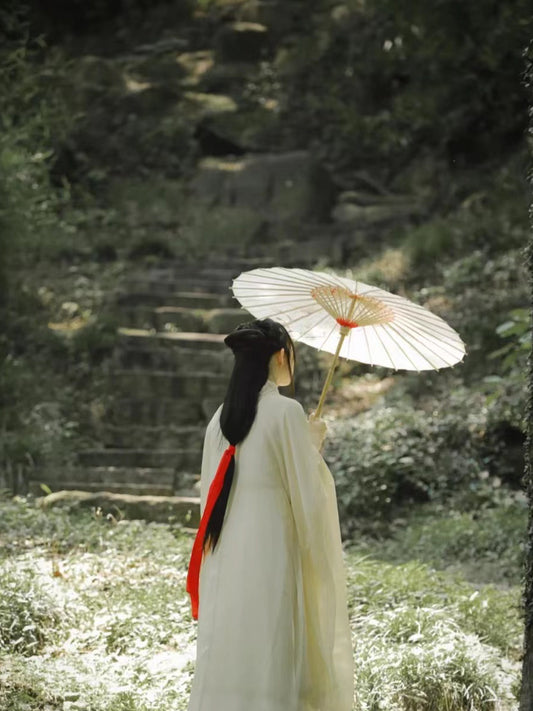
Responsible cultural tourism asks permission before photographing people or entering homes, follows local rules around religious spaces, avoids interrupting ceremonies, and buys crafts from identifiable makers. Online publishers should identify illustrative or AI-styled imagery rather than presenting it as documentary fact.
Related Silver and Tassel Accessories
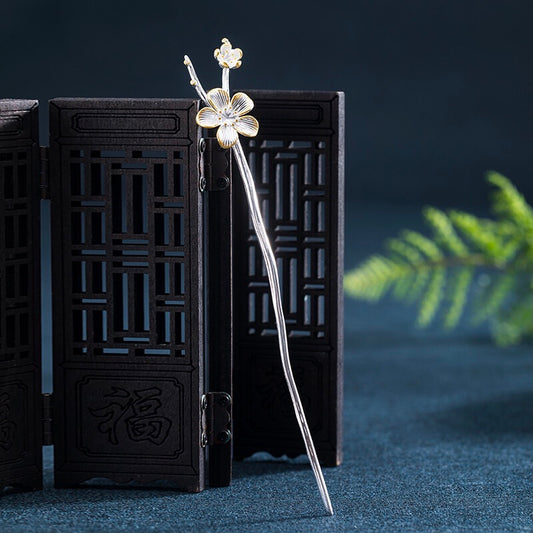
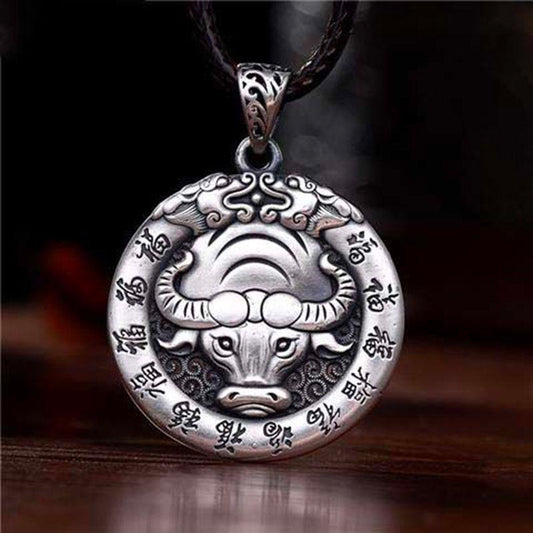
These are contemporary Chinese accessories from the store. Their metalwork, pendants, or moving tassels echo visual elements seen in many forms of Chinese dress, but they are not presented as authentic Monba artifacts or exact reproductions.
Three Picks from Chinese Showcase
Three contemporary shop selections for readers interested in decorative design. These are not presented as documented heritage objects, community-made crafts, or religious endorsements. Check each product page for current specifications, price, and availability.

Pearl Flower Tassel Hairpin
View product details
Original Gilded Cloisonné Enamel Tassel Earrings with Pearl and Bamboo Leaf Design
View product details
Butterfly Love Flower Wide Face Handwoven Bracelet-Sterling Silver
View product detailsFrequently Asked Questions
Who are the Monba people?
The Monba are one of China's officially recognized ethnic groups, with important communities in southeastern Tibet, especially areas associated with Cona and Medog.
What does Monba mean?
The name is commonly explained as "people of Mon" or people living in the historic Mon region.
Are Monba and Moinba the same name?
Yes. Both English spellings refer to the same ethnic group; Moinba appears in some official English translations.
Do the Monba have their own language?
Yes. Monba communities use their own spoken language varieties, while Tibetan is also widely used in many settings.
What do Monba people traditionally eat?
Food varies by region. Commonly described staples include buckwheat cakes, maize, rice, barley foods, and finger-millet porridge, together with vegetables, meat, tea, and grain-based drinks.
What is a Monba buckwheat cake?
It is a practical mountain staple made from buckwheat flour and water, then baked on a heated stone or cooking surface.
What is distinctive about Monba clothing?
Regional outfits use contrasting textiles, woven bands, aprons, belts, beads, pendants, and other ornaments. There is no single costume worn by every community.
What is a Sama song?
Sama is a Monba song form associated with hospitality, weddings, festivals, friendship, and drinking etiquette.
What is Monba Bacham?
Bacham is a masked dance tradition with religious and community significance, practiced in parts of the Cona area.
How can visitors engage respectfully?
Ask before photographing people or homes, follow rules at religious and festival sites, avoid interrupting rituals, and support identifiable local makers.
Conclusion
Monba culture grew through centuries of adaptation and exchange in the mountain landscapes of southeastern Tibet. Its history connects village institutions with wider political, religious, and trade networks. Its food reveals environmental knowledge: buckwheat and barley suit colder heights, rice and maize flourish in warmer valleys, and stone-pot cooking turns local craft into daily flavor.
Language, oral stories, Sama songs, drama, masked dance, clothing, wood bowls, and hospitality continue to carry cultural knowledge. Their future depends not on freezing Monba life in the past, but on enabling communities to choose how traditions are taught, practiced, documented, and renewed.
References and Further Reading
- National Ethnic Affairs Commission: Monba Overview
- National Ethnic Affairs Commission: Monba Historical Development
- National Ethnic Affairs Commission: Monba Customs
- National Ethnic Affairs Commission: Contemporary Development
- China Intangible Cultural Heritage: Monba Heritage and Preservation
- China Intangible Cultural Heritage: Monba Bacham
Related Reading
- Who Are the Yao People of China?
- What Is the Hezhe Ethnic Group?
- Who Are the Lhoba People?
- Who Are the Jino People of China?
- Who Are the She People of China?
- How Many Ethnic Groups Are There in China?
- What Is the Majority Ethnic Group in China?
- What Are the Most Popular Religions in China?
- Explore the Chinese Ethnic Group Blog