Tibetan culture is not one fixed image of the plateau. Tibetan communities live across the Tibet Autonomous Region and parts of Qinghai, Sichuan, Gansu and Yunnan. Their languages, clothing, foodways and festivals share historical connections, yet vary by region, family and present-day setting.
This introduction follows the people rather than a single costume or monument. It explains where Tibetan communities live, how Tibetan language and writing are used, and why everyday practices should be described with local context.

Tibetan People at a Glance
| People | Tibetan people |
|---|---|
| 2020 population in China | 7,060,731, according to the National Ethnic Affairs Commission |
| Main regions in China | Tibet Autonomous Region; parts of Qinghai, Sichuan, Gansu and Yunnan |
| Language | Tibetan varieties, commonly grouped as Ü-Tsang, Kham and Amdo; many people also use Mandarin or other local languages |
| Writing | Tibetan script, used in literature, education, religious texts and daily communication in different settings |
| Selected traditions | Regional dress and jewelry, barley foods, Tibetan New Year, local festivals and Tibetan opera |
Who Are the Tibetan People?
Tibetan people are one of China's officially recognized ethnic groups. The National Ethnic Affairs Commission records a Tibetan population of 7,060,731 in the 2020 census. Many live in the Tibet Autonomous Region, while long-established communities also live in neighbouring provinces. “Tibetan” describes people with related histories and cultural traditions, not a single way of dressing, speaking or practicing religion.
Place matters. A household in a city, a farming valley or a pastoral area may organize daily life differently. Generational experience matters too: the same family may have elders who prefer one language at home and younger members who move between Tibetan, Mandarin and digital media.
Regional Diversity: Ü-Tsang, Kham and Amdo
Ü-Tsang, Kham and Amdo are familiar broad cultural and linguistic designations. They are useful starting points, but they are not rigid boxes that explain every village or family. Local geography, trade routes, migration and contact with neighbouring peoples have all shaped ways of life. This is why a garment, a food or a festival practice should be connected to a specific place when that information is known.

Tibetan Language and Writing
Tibetan belongs to the Tibeto-Burman branch of the Sino-Tibetan language family. Ü-Tsang, Kham and Amdo are three broad groupings often used to describe regional speech. Pronunciation and vocabulary vary, so people from distant areas may not speak exactly alike.
Tibetan writing developed in the seventh century and remains visible in books, calligraphy, signs, education and religious settings. Tibetan script is read from left to right. Like any living language, its use changes across homes, schools, workplaces and online spaces. A chart of letters can introduce the script, but learning the language requires much more than matching a letter to a romanized sound.
Clothing, Textiles and Jewelry
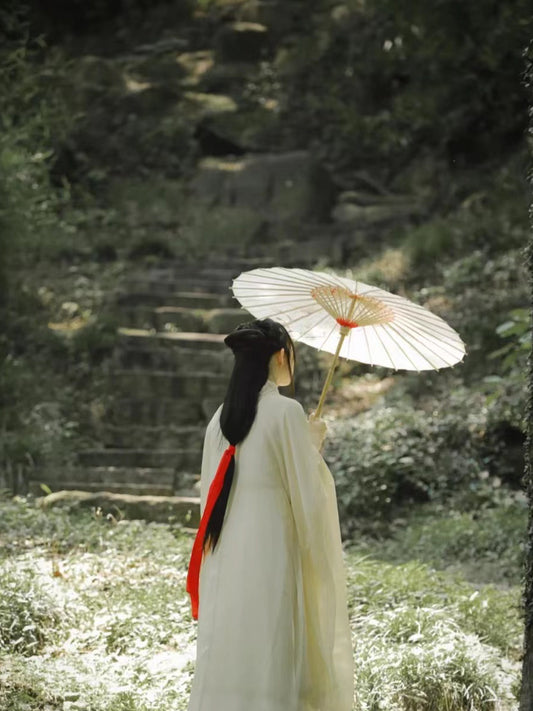
Traditional dress is shaped by climate, work, wealth, region and occasion. Robes, woven aprons, belts, boots and layered fabrics appear in different combinations. Festive clothing may be far more elaborate than everyday wear, and urban wardrobes often combine contemporary fashion with selected traditional pieces.
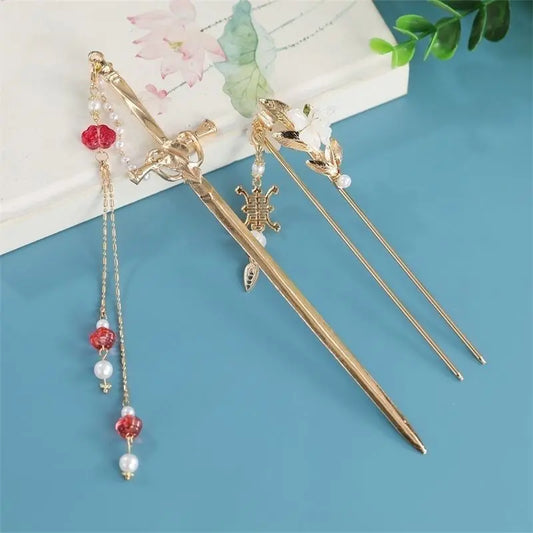
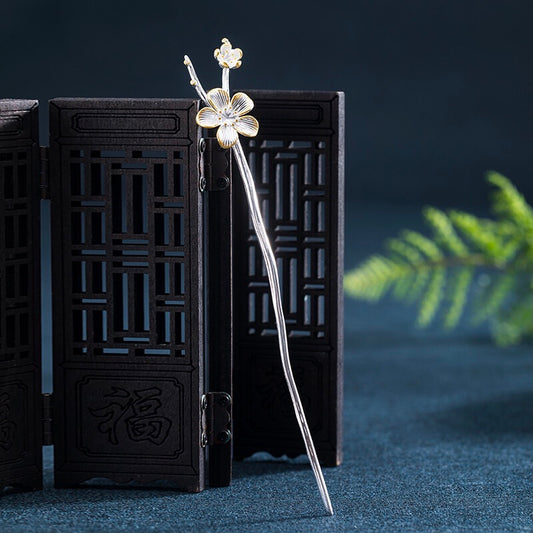
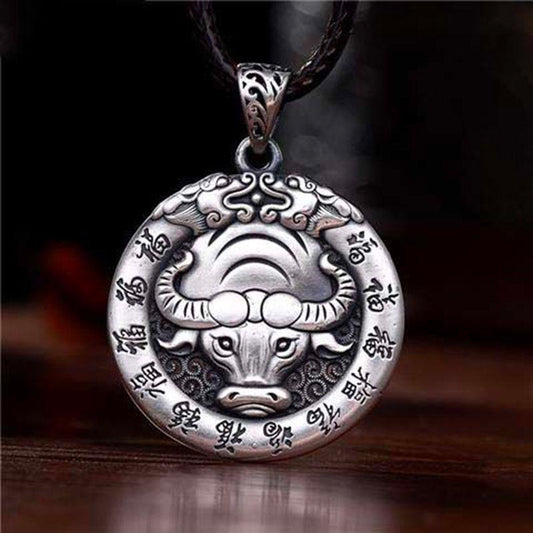
Jewelry may include metalwork, beads and colorful stones. A photograph cannot verify that a piece is antique, locally made, solid silver, turquoise or coral. Material claims belong to a documented object, not to a visual resemblance. Likewise, an accessory inspired by Tibetan design should not automatically be described as a traditional Tibetan artifact.


Foodways and Hospitality
Barley is an important crop in many high-altitude areas. Tsampa, a flour made from roasted barley, and butter tea are widely associated with Tibetan foodways. Dairy products, meat, noodles and locally grown vegetables also appear, with menus changing according to climate, availability and household preferences.
Food is not uniform across the plateau. A city restaurant, a farming family and a pastoral household can serve very different meals. Hospitality is best understood through the particular community and occasion rather than a short list of supposedly universal dishes.
Tibetan New Year and Performing Arts
Losar, the Tibetan New Year, is an important time for family visits, preparation and celebration. Dates and customs can vary across communities. The Shoton Festival is especially associated with Lhasa; it should not be treated as a festival observed in the same way everywhere.
Tibetan opera brings together song, dance, narration, costume and music. UNESCO inscribed Tibetan opera on its Representative List of the Intangible Cultural Heritage of Humanity in 2009. That recognition describes a living performance tradition, not a frozen museum piece: artists, audiences and communities continue to give it meaning.
Tibetan Life Today
Contemporary Tibetan life includes farmers, herders, students, entrepreneurs, artists, teachers and city residents. Families may preserve a local dialect, celebrate a festival, commission a garment or learn a craft in ways that fit their present circumstances. Modernity and cultural continuity are not opposites.
Respectful storytelling starts with specificity. Name a place, maker or community when the information is verified; avoid presenting a staged portrait as a record of all Tibetan people. For commercial uses of designs, photographs or stories, credit and permission matter.
Three Picks from Chinese Showcase
Three contemporary shop selections for readers interested in decorative design. These are not presented as documented heritage objects, community-made crafts, or religious endorsements. Check each product page for current specifications, price, and availability.

Tibetan Silver Auspicious Enamel Bangle – Ethnic Blessing “Fu Shun” Bracelet Gift for Women
View product details
Ethnic Tibetan Nine Eyeball Pullout Adjustable Necklace
View product details
Tibetan style woven hand rope exotic beads bracelet
View product detailsFrequently Asked Questions
Where do Tibetan people live in China?
They live mainly in the Tibet Autonomous Region and in parts of Qinghai, Sichuan, Gansu and Yunnan, as well as in other areas through study, work and migration.
Is there only one Tibetan dialect?
No. Ü-Tsang, Kham and Amdo are broad regional groupings, and speech varies further within them.
Do all Tibetan people wear the same traditional clothing?
No. Clothing differs by region, occasion, climate and personal preference.
Is Tibetan opera the same as Tibetan New Year?
No. Tibetan opera is a performing-art tradition; Losar is the Tibetan New Year.
Sources and Reading Note
Population, distribution and language information were checked against the National Ethnic Affairs Commission's Tibetan overview. The 2009 Tibetan-opera inscription was checked against UNESCO's intangible-cultural-heritage listing. Sources are named here without outbound links, in keeping with this site's internal-link policy. Practices described above vary by community and time.