The Chuanqing people are a culturally distinctive community associated with northwestern Guizhou, especially Zhijin and Nayong. Their name is commonly linked to a traditional preference for qing-colored clothing. Understanding Chuanqing culture means looking beyond dress to local history, community identity, ritual practice and changing everyday life.
This guide separates cultural identity from official ethnic classification. It also distinguishes documented research from visual observations: a garment, building or photograph alone cannot establish a person's identity or a tradition's origin.

Chuanqing People at a Glance
| Common name | Chuanqing people; Chuanqing ren |
|---|---|
| Regional focus | Northwestern Guizhou, including Zhijin and Nayong |
| Clothing association | A traditional preference for qing-colored dress; the term should not be reduced to one modern color swatch |
| Language use | Local Chinese speech is reported in institutional accounts; individual language use should not be assumed from dress |
| Frequently studied traditions | Wuxian belief, qingtan ceremonies and related Nuo ritual performance |
| Identity and classification | A distinctive community identity should not be described as an officially recognized “57th ethnic group” |
| Contemporary livelihoods | Farming, wage work, trade and craft-related work appear in published field research |
Who Are the Chuanqing, and Where Do They Live?
Chuanqing communities are associated with northwestern Guizhou. Zhijin and Nayong are important locations in published research. The regional setting helps explain why local histories and community relationships matter when interpreting the culture. Xiong Zhengxian's Guizhou field study.
Community identity and administrative classification are different questions. The Chuanqing are not separately listed in the National Ethnic Affairs Commission's directory of China's 56 officially recognized ethnic groups. That does not erase their cultural identity, and it does not justify presenting them as an officially recognized “57th ethnic group.” National Ethnic Affairs Commission directory.
History and Different Interpretations
A study published in Minzu Yilin discusses differing accounts of Chuanqing origins, including local roots and migration associated with Ming-era military movement. It is more accurate to acknowledge these interpretations than to turn one explanation into a settled origin story. Chuanqing Wuxian-belief study.
For a careful historical account, ask what each source can establish. A family genealogy may record a lineage's remembered migration; an oral history may explain how a community understands its past. Neither automatically answers every question about the formation or classification of a larger population.
Language and the Name Chuanqing
A 2016 institutional account links the name to qing-colored clothing and reports the use of Chinese speech common in Guizhou. These observations are useful starting points, not a complete description of every household. Liuzhou university account.
When translating a cultural color term, context matters. Keeping the word qing alongside an explanation avoids suggesting that one modern shade defines every outfit. Similarly, clothing cannot tell a reader which languages a particular person uses at home, school or work.
Clothing, Borders and Visual Details
The supplied clothing photographs show different combinations of dark grounds, saturated panels, contrasting borders, waist sashes and headwear. These are observations of the images, not a definitive catalog of Chuanqing dress. They do not establish the wearers' hometowns, ages, marital status or garment materials.

| Visible feature | What the photograph shows | What it does not prove |
|---|---|---|
| Color arrangement | Dark fabric alongside blue, teal or green areas | A single required color for all Chuanqing clothing |
| Decorative borders | Floral-looking trim and contrasting bands | Hand embroidery, fiber type or a fixed symbolic meaning |
| Headwear | Wrapped or folded forms in the supplied portraits | One universal style or a wearer's social status |
| Waist details | Belts or sashes creating horizontal contrast | A standard costume for every locality or occasion |
A useful garment record should identify the place, date, maker where known, construction and occasion of use. Looking closely is valuable; guessing an object's cultural pedigree from appearance is not.
Wuxian Belief, Qingtan and Nuo Ritual
Wuxian belief is a recurring subject in Chuanqing cultural research. The Minzu Yilin study describes altar traditions and qingtan ceremonies, connecting them with Nuo ritual performance. These practices belong to particular social and ceremonial settings, rather than serving only as stage entertainment. Wuxian-belief field research.
Descriptions should distinguish participants' beliefs from independently demonstrated effects. A prayer or blessing may have cultural and personal significance without providing evidence for a promise of healing, protection or financial success. Nor should one recorded ceremony be assumed to describe every contemporary family's practice.
Published Research Data and Its Limits
Xiong Zhengxian's 2018 study reports 230 distributed questionnaires and 190 valid responses from research in Zhijin, Nayong and related Chuanqing areas. The following counts describe livelihood categories in that sample. They are not a current population census, a representative national estimate or a description of all Chuanqing people. Original study, livelihood discussion and Table 1.
| Main livelihood in the reported sample | Respondents |
|---|---|
| Wage work | 65 |
| Farming | 110 |
| Trade or business | 10 |
| Craft-related work | 5 |
| Total valid responses | 190 |
The sample illustrates why an account focused only on ceremonial clothing misses important dimensions of social life. Work, household decisions and relationships with hometowns also belong in cultural discussion. Small subgroups and an older survey cannot support broad claims about present-day incomes or occupational shares.
Contemporary Life and Cultural Transmission
A 2017 report from Guiyang's heritage-weekend program records Nayong presenting Miao, Yi and Chuanqing cultures through singing, dance and clothing displays. Such events offer public visibility, but a performance should not be confused with everyone's daily routine. CNR event report.
Contemporary cultural documentation can include family photographs, recorded histories, garment-making knowledge and community interpretation. Responsible presentation allows people to explain their own practices and acknowledges change instead of expecting culture to remain frozen in one historical appearance.

Cultural Symbols and Related Craft Inspiration
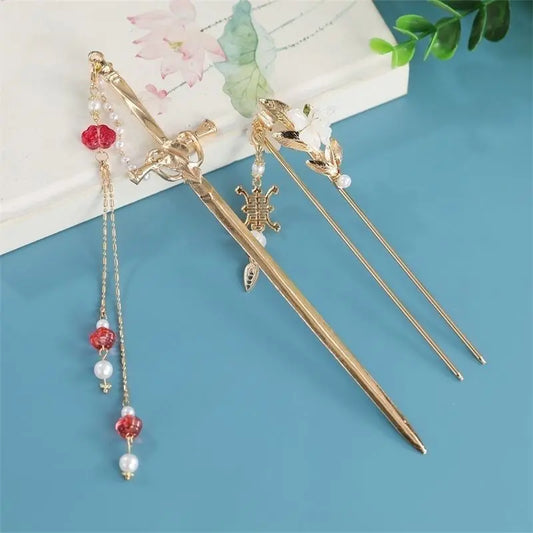
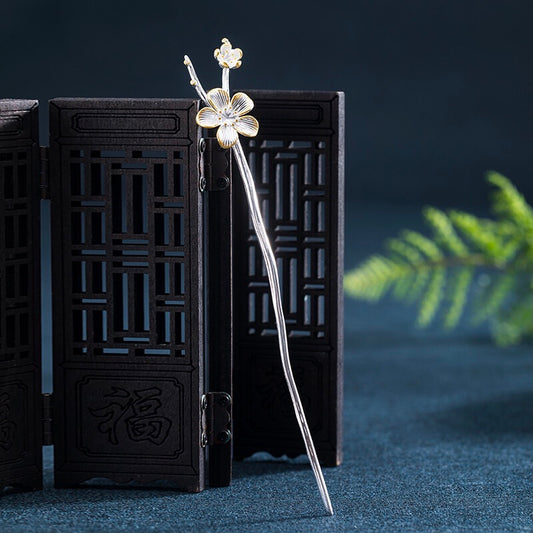
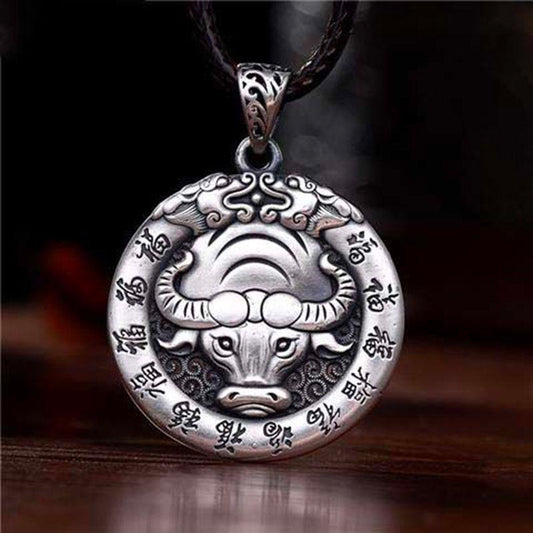
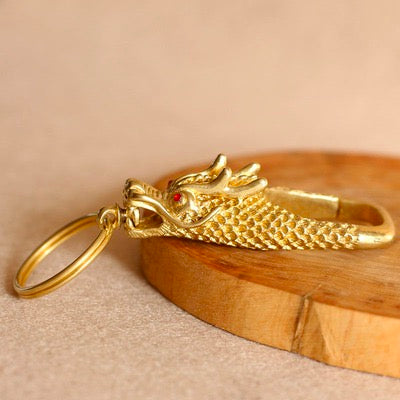
Color contrasts and decorative borders can encourage a wider interest in Chinese textile and accessory design. The shop selections below are contemporary Chinese craft-inspired accessories, not documented Chuanqing-made objects or evidence of Chuanqing traditional craftsmanship. Product details should be checked on their own pages.
Three Picks from Chinese Showcase


Frequently Asked Questions
Where do the Chuanqing mainly live?
Published accounts focus on northwestern Guizhou, particularly Zhijin and Nayong. This is a regional description, not an exhaustive list of where individuals live today.
Are the Chuanqing China's officially recognized 57th ethnic group?
No. They are not separately listed in the official directory of 56 ethnic groups. Cultural identity and official classification should be discussed separately.
Does Chuanqing clothing have one fixed appearance?
No single photograph can establish a universal style. Record the locality, date and occasion before making broader claims about dress.
Do the survey figures describe the current Chuanqing population?
No. The table reports 190 valid responses in a study published in 2018. It is not a current census or a population-wide occupational breakdown.
Can any blue or green accessory be called a Chuanqing traditional product?
No. Color alone is not evidence of cultural origin, community production or a traditional technique.
Conclusion
Chuanqing culture is best understood through people, places and living relationships, not a single costume or a simplified origin story. Reading dress alongside historical debates, local ritual and contemporary livelihoods creates a fuller picture. Respectful interpretation combines clear evidence with room for communities to describe themselves.
References and Further Reading
Sources are in Chinese. Dates and sample counts refer to the original publications; they should not be treated as current demographic statistics.
- National Ethnic Affairs Commission: directory of China's ethnic groups. Official classification context.
- Liuzhou university: 2016 account featuring a Chuanqing student. Regional, clothing and language background; its speculative “57th” phrasing is not adopted here.
- Minzu Yilin, 2020 issue 4: study of Chuanqing Wuxian belief based on fieldwork in Guizhou GD village. Historical interpretations and ritual context.
- Xiong Zhengxian, 2018: livelihood transitions and changing attitudes toward land in Chuanqing areas of Guizhou. Original research and questionnaire sample.
- CNR, 2017: Guiyang heritage-weekend program. Public presentation of cultures from Nayong.