The Baima people, often called Baima Tibetans, are communities associated with the mountainous borderlands of Sichuan and Gansu in southwestern China. Feathered white hats, richly colored clothing and masked dances offer memorable introductions to their culture. Their language, village histories and everyday lives are just as important.
This guide explains Baima identity, regional distribution, clothing and ritual traditions while distinguishing documented information from historical interpretations. References are listed as plain text at the end.

Baima People at a Glance
| Topic | Overview |
|---|---|
| Common names | Baima people; Baima Tibetans |
| Main region | The Sichuan–Gansu borderlands, especially Pingwu, Jiuzhaigou and Wenxian; language studies also include parts of Songpan |
| Official classification | Classified within the Tibetan ethnic group in China, rather than as a separately recognized ethnic group |
| Language | Baima, also called Baima speech or Baima Tibetan in research literature |
| Recognizable clothing | White feathered Shaga hats, colorful garment panels, decorative borders and pleated clothing |
| Performance and ritual | Masked traditions described under local names such as Chigezhou and Caogai |
| Key distinction | Regional names, ceremonial practices and clothing styles should not be treated as identical everywhere |
Who Are the Baima People, and Where Do They Live?
Baima communities are associated with mountain and river-valley settlements near the border of Sichuan and Gansu. Pingwu and Jiuzhaigou in Sichuan and Wenxian in Gansu are central locations in cultural accounts. Linguistic research also includes Baima-speaking communities in parts of Songpan.
Within China's current ethnic classification, Baima people are classified as Tibetan. This administrative category does not make every local tradition identical to those found elsewhere in Tibetan communities. Cultural identity, language classification and official ethnic classification are related, but they answer different questions.
County boundaries are useful for locating communities, not for defining a uniform culture. A careful account should name the village or locality when available and distinguish a documented local practice from a general statement about all Baima people.
Historical Origins and the Question of the Di People
Accounts of Baima history frequently discuss the ancient Di people and the historical name Baima Di. Such interpretations draw on historical geography, written records and community memory. They are important lines of inquiry, but should not be converted into a single, undisputed ancestry narrative.
Historical group names do not map neatly onto modern ethnic categories. Similar names or overlapping settlement areas alone cannot establish a direct ancestral relationship. A responsible introduction recognizes the different interpretations and allows space for regional interaction and changing community identities.
A useful historical question is not simply “Who were their ancestors?” but also how people remember their past, interpret local stories and maintain relationships with neighboring communities.
The Baima Language: Distinctive Features and Contact
Baima is an important subject of linguistic research. Studies examine its sounds, vocabulary and grammar, including its relationship with Tibetan varieties and neighboring languages. Researchers have offered different analyses of its classification and historical development.
Katia Chirkova's 2008 study discusses the difficulty of placing Baima within Tibetan dialect groupings and compares its evidential system with Tibetan varieties. It is therefore misleading either to label it casually as one familiar Tibetan dialect or to claim that it has no relationship with Tibetan.
Language use also depends on context. A record of home conversation may differ from speech used at school, work or when receiving visitors. Preserving a language involves more than collecting word lists: stories, songs and explanations of local practices also carry knowledge.
Shaga Hats, Clothing and Decorative Details
The White Feathered Hat
The Shaga hat is one of the most recognizable elements in descriptions of Baima dress. Transliteration and Chinese spellings vary across sources. Accounts commonly describe a white wool hat with a lotus-leaf-like brim and white rooster feathers.
Local stories connect feather decorations with remembrance and vigilance. Such narratives belong to cultural memory; they should not automatically be presented as independently verified historical events. Nor does wearing a particular hat establish a person's identity by itself.
Panels, Pleats and Contrasting Borders
Descriptions of Baima clothing emphasize colorful garment panels, patterned borders and, in women's clothing, pleated elements. Published cultural accounts distinguish festive clothing from everyday dress and men's styles from women's styles.

| Clothing element | What to look for | What appearance alone cannot establish |
|---|---|---|
| Shaga hat | Hat shape, brim, feathers and other decoration | One identical style across all localities |
| Colored panels | Placement and relationship to garment construction | A fixed symbolic meaning for every color |
| Pleats | Position, spacing and movement | Use by every age group or on every occasion |
| Decorative borders | Motifs, width and arrangement | Fiber type or whether all decoration is hand-embroidered |
| Jewelry and ornaments | Placement and relationship to the ensemble | Precious-metal content, gemstone identity or age |
Clothing is not a fixed costume shared without variation. Place, occasion and date matter. Festival photographs should not be used to imply that everyone wears ceremonial clothing every day.
Chigezhou and Masked Traditions: More Than a Performance
Chigezhou, with variant spellings in English and Chinese accounts, is an important entry point into Baima cultural discussion. Caogai is another local name encountered in descriptions. These names should be retained with their regional context rather than treated as proof that every community follows the same ritual sequence.
Masked traditions bring together movement, performed roles, community interaction and ceremonial meanings. Accounts describe wishes for well-being and the removal of misfortune. These are expressions of belief, not verified promises that masks or dances can heal illness or change financial fortunes.

Reports from Wenxian describe activities around the Lunar New Year and Lantern Festival. Timing and procedures can vary between villages, and a public tourism performance need not follow the schedule of a village ceremony.

Visitors should ask before photographing participants, handling masks or entering ceremonial spaces. An object that looks like a theatrical prop may have a different significance for the people responsible for it.
Research Numbers and Heritage Records
Numbers in cultural writing need dates and a clearly defined scope. An older estimate of language speakers is not a current census of an entire community. A heritage listing identifies a particular registered project, not every tradition with a similar name.
| Number or date | What it refers to | Limit of interpretation |
|---|---|---|
| Approximately 13,000 | Baima language users estimated in Chirkova's 2008 linguistic paper | An older language-use estimate, not a present-day population census |
| 2006 | The Jiuzhaigou-submitted Zhou dance project, called Zhou in English transliteration, entered China's first national intangible cultural heritage list | A specific registered project; not a blanket listing of every local masked tradition |
| III–34 | The recorded national heritage project code for that dance | An identification code, not a date or population figure |
| The fifteenth day of the first lunar month | An important celebration date in Wenxian reporting | Not a universal schedule for every village or performance |
For demographic comparisons, keep language users, residents of one locality and the total population of a cultural group separate. The figures above are historical reference points, not updated estimates for 2026.
Shared Meals and Everyday Village Life
Festival accounts can foreground hats, masks and dance while leaving ordinary social life out of view. Meals, family conversation, work and hospitality also deserve attention, without assuming that one image represents every household.

The supplied meal photograph illustrates shared dining, not a verified catalog of traditional dishes. Identifying a recipe, ceremonial use or local food name requires additional information from its makers or a documented source.
Living Traditions and Cultural Transmission
Published reports describe clothing-making and visitor reception in some Wenxian villages. These activities show one way local culture participates in contemporary life, but should not be taken as a description of everyone's occupation.
Transmission extends beyond one festival performance. It involves opportunities to use Baima speech, learn garment-making, record family memories and understand the contexts in which objects and ceremonies are used.
Community members should have a voice in deciding what is explained publicly, what can be photographed and what should remain within particular settings. Respecting a living tradition does not require people to preserve one historical appearance unchanged.
Related Chinese Textile and Accessory Inspiration
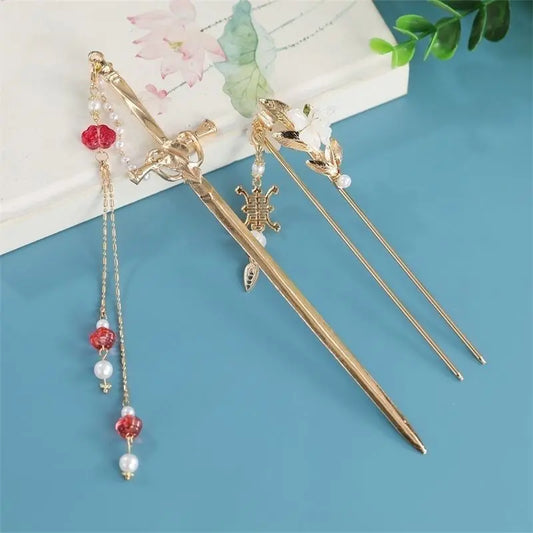
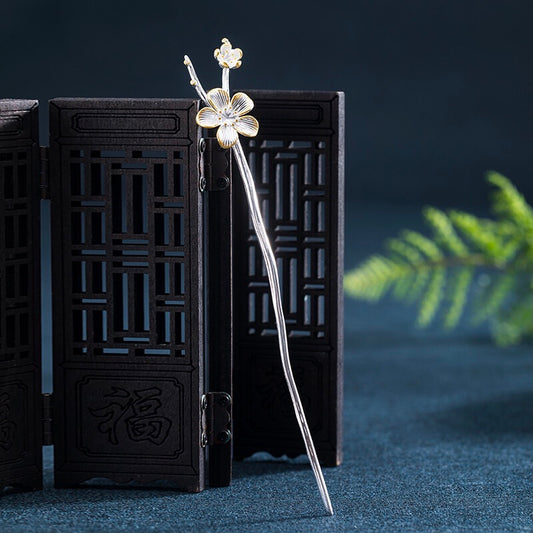
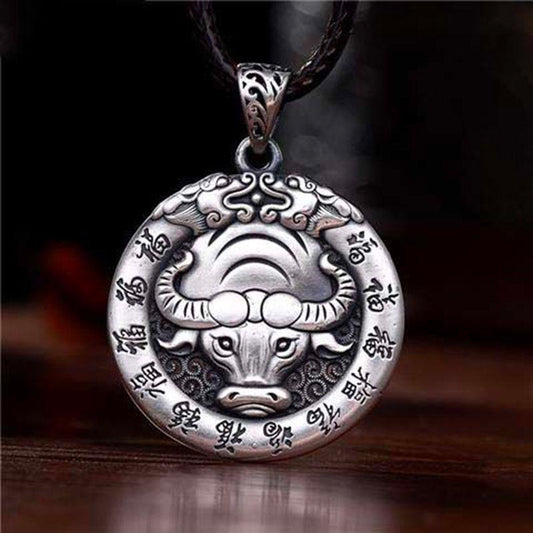
Decorative borders and patterned garments may encourage an interest in Chinese textile-inspired accessories. The selections below are related shop items, not authenticated Baima-made objects or claims of Baima traditional craftsmanship. Their own product descriptions provide the relevant details.
Three Picks from Chinese Showcase


Frequently Asked Questions
Are the Baima a separately recognized ethnic group in China?
They are classified within the Tibetan ethnic group. “Baima people” also names communities with distinctive local cultural traditions; it should not be presented as a separate official classification.
Where do the Baima people mainly live?
Key areas include Pingwu and Jiuzhaigou in Sichuan and Wenxian in Gansu. Language research also includes parts of Songpan.
Is Baima simply the same as another Tibetan dialect?
Its relationship with Tibetan varieties is a research question with different analyses. A short cultural guide should acknowledge this rather than declare the classification settled.
Does every Baima person wear a feathered white hat?
The hat is a recognizable cultural element, but photographs and festive dress do not establish how every individual dresses in daily life.
Can visitors watch masked ceremonies at any time?
No universal schedule applies. Village ceremonies and tourism performances can differ. Ask local organizers about access, photography and participation.
Do the population figures in this article describe today's Baima population?
No. The approximately 13,000 figure comes from a 2008 linguistic paper and refers to an estimated language-use population, not a current census.
Conclusion
Baima culture is best approached through the relationship between people, places and living practices. Feathered hats and masked dances are memorable, but language, household memory and changing village life complete the picture. Clear evidence and respect for local interpretation help avoid turning a diverse community into a single visual stereotype.
References and Further Reading
References are provided as plain text, without outbound links. Publication dates and estimates refer to the original sources.
- Katia Chirkova. “Evidentials in Baima and Tibetan Dialects Compared.” Minzu Yuwen, issue 3, 2008, pages 36–43. Language comparison and historical speaker estimate.
- “Baima.” Journal of the International Phonetic Association. Linguistic description.
- The Commercial Press. Gansu Wenxian Baima Language. Publisher's book description.
- Jiuzhaigou County People's Government. “Jiuzhai Zhou Dance.” Heritage project information.
- Gansu Daily. “The Baima People's Golden Calling Card.” February 21, 2017. Shaga hats and contemporary village activities.
- Xinhua. “Chigezhou Comes Alive: An Old Folk Tradition Celebrates the Lantern Festival.” February 22, 2024.
- Silk Road (Dunhuang) International Cultural Expo website. “Gansu Clothing in Intangible Cultural Heritage.” August 13, 2024.
Related Reading
Chuanqing People of China: History, Clothing, Rituals, and Living Traditions