Chinese Symbols
Ping An Kou, also known as the Chinese peace buckle, is a smooth circular ornament associated with safety, harmony, protection, and the wish for a peaceful life.

Quick answer: Ping An Kou means “peace buckle” or “safety buckle” in Chinese. Its round outer shape, open center, and smooth surface symbolize harmony, completeness, protection, and the wish that life remains safe and smooth.
What is the meaning of Ping An Kou?(Peace Buckle)
Ping An Kou (平安扣) is one of the most familiar protective symbols in Chinese jewelry. The words ping an mean peace and safety, while kou means buckle, clasp, or button. Together, the name suggests an object that keeps the idea of peace close to the wearer.
The design is usually simple: a round disc with a hole in the center. This simplicity is part of its appeal. It can be worn by children, adults, elders, travelers, students, and anyone who wants a quiet symbol of safety and balance.
Symbolism of Form
The Ping An Kou is meaningful because its shape is easy to understand. The outer circle suggests wholeness and continuity. The central opening suggests clarity and openness. The smooth edge suggests a peaceful life without sharp interruptions.
Spiritual Significance
In Chinese folk culture, Ping An Kou is often treated as a gentle blessing object. It may be given to children, travelers, elders, or loved ones to express the hope that they remain safe and peaceful. This spiritual meaning should be understood as cultural symbolism rather than a guaranteed source of luck or protection.
Modern Evolution
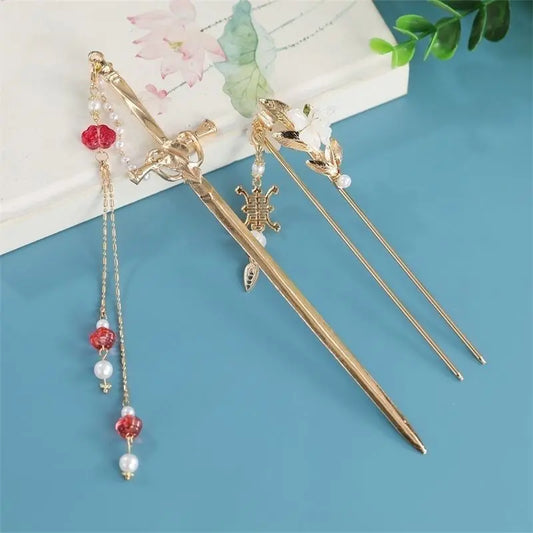
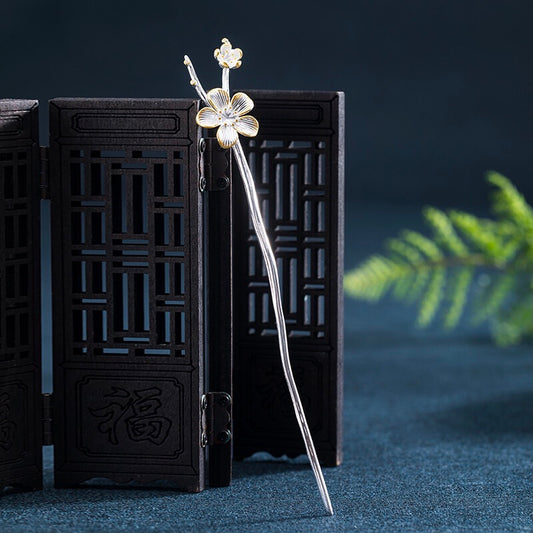
Today, Ping An Kou appears in many forms beyond the classic jade pendant. Modern designs may use gold, silver, enamel, jadeite, agate, or mixed materials. It can appear as a necklace, bracelet, hairpin, ring, keychain, or decorative charm, making it both a traditional symbol and a modern Chinese-style accessory.
| Design Feature | Traditional Meaning | Modern Reading |
|---|---|---|
| Outer circle | Completeness, harmony, continuity | A balanced and peaceful life |
| Central opening | Clarity, openness, flow | Letting stress and difficulty pass through |
| Smooth surface | No sharpness, no harm, gentle protection | Calm daily symbolism |
| Jade material | Virtue, refinement, inner cultivation | Traditional beauty with cultural depth |
Folk Traditions
In Chinese tradition, Ping An Kou is more than a decorative ornament. It carries family wishes, folk customs, and everyday ideas about safety. Different regions and families may understand it in slightly different ways, but the central meaning is usually the same: peace, protection, and smooth life.
Ping An Kou in Life Rituals
Ping An Kou is often connected with important life moments. For newborns, elders may give a small jade Ping An Kou tied with a red cord as a blessing for healthy growth. For weddings, paired Ping An Kou designs may symbolize shared peace and unity. For elders, jade versions can express respect and the wish for peaceful longevity.
Daily Customs and Taboos
Some traditional customs pay attention to how Ping An Kou is worn, cleaned, or gifted. Red cords are often used because red is an auspicious color in Chinese culture. Some people avoid wearing cracked pieces because damage may feel symbolically incomplete. In modern practice, these ideas are usually treated as cultural habits rather than strict rules.
Regional Variations
Regional traditions can add local meaning to Ping An Kou. In some coastal areas, peace charms may be connected with safe travel and return. In southern China, people may combine Ping An Kou with other motifs such as gourd, ruyi, bamboo, or Chinese knots to create a richer blessing meaning.
Modern Adaptations
Modern Ping An Kou designs are no longer limited to plain jade pendants. Designers now place the motif into bracelets, earrings, hairpins, rings, phone charms, and bag accessories. Younger wearers often choose it because it feels minimal, meaningful, and easy to match with daily clothing.
Common Materials for Crafting Ping An Kou (Peace Buckle) & Their Characteristics
Jade is the classic material. Hetian jade is admired for its soft luster and refined texture, while jadeite may appear in richer green, lavender, icy, or translucent tones. Modern Ping An Kou designs may also use silver, gold, enamel, agate, crystal, cinnabar-colored beads, or mixed materials.
| Material | Why People Choose It | Style Feeling |
|---|---|---|
| Hetian jade | Traditional, soft, closely linked with Chinese jade culture | Classic and refined |
| Jadeite | Colorful and expressive, often valued for green tones | Elegant and vivid |
| Silver or gold | Durable, modern, easy to match with daily outfits | Clean and contemporary |
| Enamel or mixed materials | Allows floral, gourd, bamboo, or ruyi motifs | Decorative new Chinese style |
Guide to Wearing Ping An Kou: Blending Tradition with Modernity
The most traditional way is as a pendant, often worn near the chest on a red cord or simple chain. A bracelet form is also common, especially when combined with jade beads or small symbolic charms.
Classic Wearing Styles
As a necklace, Ping An Kou is usually worn close to the heart, which makes its protective meaning feel more personal. As a bracelet, it can be worn alone or paired with jade beads, red cord, or small metal charms. As a decorative charm, it may be attached to a bag, keychain, or car accessory as a symbolic reminder of safe journeys.
Modern Styling Tips
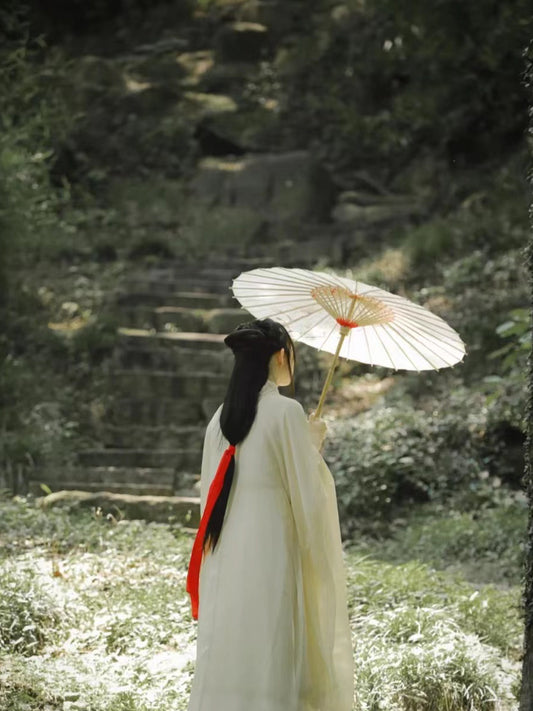
For daily styling, a simple jade disc works well with linen, silk, knitwear, neutral colors, and minimalist jewelry. More decorative pieces with enamel, tassels, bamboo, lotus, or gourd details work beautifully with Hanfu, qipao, or Chinese-inspired outfits.
Cultural note: Ping An Kou should not be treated as a guaranteed source of luck or safety. It is better understood as symbolic language: a wearable blessing, a family wish, and a reminder of peace.
The Historical Origins of Ping An Kou
The Ping An Kou is often connected with the ancient Chinese jade bi, a round jade disc with a central hole. Ancient jade discs appeared in early Chinese cultures and carried ritual and symbolic importance. Over time, large ceremonial jade forms influenced smaller ornaments that could be worn close to the body.
By later periods, circular jade pendants became more closely connected with everyday blessings. Instead of being reserved only for ritual or elite display, the round jade ornament entered family life as a gift for children, travelers, elders, and loved ones.
In modern Chinese jewelry, Ping An Kou continues this long visual tradition in a simpler and more wearable way. Its appeal comes from the fact that it feels ancient and modern at the same time: a small object with a clear shape, an easy-to-understand meaning, and a quiet emotional message.
Recommended Ping An Kou and Peace Symbol Pieces
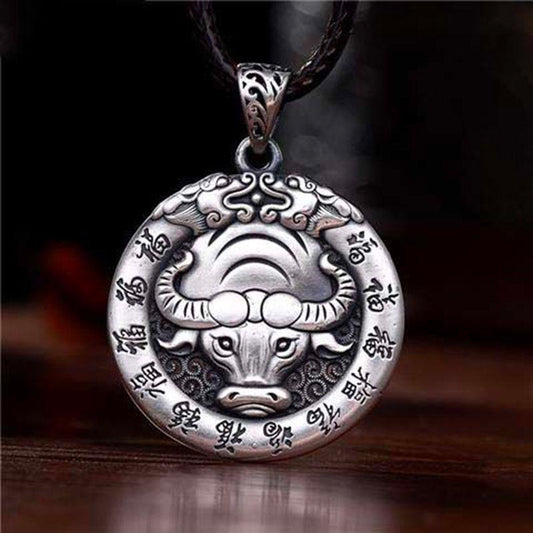
These pieces echo the Ping An Kou idea through peace-buckle form, jade disc design, or traditional Chinese protective motifs. They are cultural symbol examples, not promises of guaranteed luck or protection.

Ping An Kou Green Bamboo Leaf Hairpin
A Hanfu-style hairpin using the Ping An Kou motif with bamboo and gourd details. The design can represent peace, growth, and gentle protection.
View Symbol Piece
Fusheng Jade Pi Disc Bracelet
This bracelet includes a natural jade pi disc, closely related to the round peace-buckle tradition. It suits daily symbolic wear.
View Symbol Piece
Hetian Jade Disc Lotus Ring
A compact jade-disc inspired ring with lotus enamel detail. The circle and lotus together suggest peace, purity, and balanced beauty.
View Symbol PieceFAQ About Ping An Kou
What does Ping An Kou mean?
Ping An Kou means “peace buckle” or “safety buckle.” It symbolizes peace, protection, harmony, safe travel, and the wish for a smooth life.
Is Ping An Kou the same as a jade bi disc?
Not exactly. The ancient jade bi was usually a larger ritual object, while Ping An Kou is a wearable folk ornament. However, Ping An Kou is inspired by the same Chinese circular jade tradition.
Who should wear Ping An Kou?
Anyone can wear it. In Chinese custom, it is often given to children, students, travelers, elders, and loved ones as a blessing for safety and peace.
Does Ping An Kou have to be jade?
No. Jade is the most traditional choice, but modern designs may use silver, gold, jadeite, agate, crystal, enamel, or mixed materials.
Is Ping An Kou a good gift?
Yes. It is a thoughtful gift when you want to express care, safe travel, family blessing, or a peaceful new beginning.
Can men wear Ping An Kou?
Yes. Ping An Kou is not limited by gender. Men may wear it as a pendant, bracelet, keychain charm, or simple jade accessory.
References
Recommended Categories