Achang People at a Glance
| Chinese name | 阿昌族 |
|---|---|
| Pinyin | Āchāngzú |
| Population | 43,775 in the ethnic-group tables associated with China’s 2020 national census |
| Primary distribution | Husa in Longchuan County; Jiubao and Nangsong in Lianghe County; also Mangshi and parts of Baoshan |
| Language and writing | Achang; no traditional Achang script is in general everyday use, so Chinese characters are widely used |
| Major festival | Aluwoluo Festival, commonly observed on March 20–21 |
| Signature craft | Achang Husa Knife Forging Craft, inscribed on China’s first national intangible cultural heritage list in 2006 |

Who Are the Achang People?
The Achang are a small but culturally distinctive people of southwest China. Their largest communities lie near the borderlands and trade routes of western Yunnan. Husa Achang Ethnic Township in Longchuan County is especially associated with metalwork, while Lianghe communities are known for their own clothing, songs, ceremonies, and food.
Valleys suitable for wet-rice farming, forested mountains, and long contact with Dai, Jingpo, De’ang, Han, and other peoples have influenced Achang life. Cultural exchange does not erase identity: shared ingredients, instruments, or techniques do not make neighboring groups interchangeable.
Language and Historical Development
Achang belongs to the Tibeto-Burman branch of the Sino-Tibetan family. Scholars commonly discuss Lianghe, Husa or Longchuan, and Luxi-related varieties, although finer classifications differ. Speakers may also use Chinese and neighboring languages in school, trade, and family life.
There is no traditional Achang writing system in general current use. Chinese characters are the main written medium, making spoken transmission important for songs, ritual vocabulary, and origin narratives.
Historical accounts connect Achang ancestors broadly with ancient Di-Qiang populations and long-established peoples of western Yunnan, but this is not a simple line of descent from one ancient group. Migration, military settlement, farming, trade, and intermarriage shaped communities over centuries. The official ethnonym “Achang” was standardized in 1953.
Mountain Environment and Traditional Homes
Traditional settlements reflect western Yunnan’s humid mountain-and-valley landscape. Older houses commonly used timber, earth, brick, and tile. A compound might include a main hall, side rooms, courtyard, storage, and screen wall. The central room could receive guests and host family ceremonies; upper and lower spaces might be divided among sleeping rooms, storage, animals, and workshops.

Modern homes increasingly use brick and concrete, but courtyards, wooden details, ancestor spaces, and the household compound can remain socially meaningful.
Clothing, Jewelry, and Textiles
No single costume represents every Achang person. Dress varies by Husa, Lianghe, locality, age, marital status, occasion, and historical period. Everyday clothing is often contemporary, while traditional dress is most visible at festivals and ceremonies.
Men’s outfits may include dark, blue, or white front-opening jackets, trousers, sashes, and headwear. Women’s clothing in parts of Lianghe may combine fitted jackets, long or tubular skirts, leggings, patterned belts, headdresses, silver ornaments, tassels, buttons, and embroidered bands.

Weaving and sewing historically formed part of household production. Striped and geometric textiles appear on clothing, bags, belts, bedding, and furnishings. Pattern meanings should be documented from local makers rather than assigned a universal modern “auspicious” explanation.
Husa Knife Forging
Husa knife forging is the best-known Achang craft beyond Yunnan. Its core area is Husa in Longchuan County, including Panle, Huzao, Longguang, Xiangjie, Mingshe, and Manbing. It entered China’s first national intangible cultural heritage list in 2006.
“Husa knife” covers working knives, long blades, decorative pieces, and commissioned forms. Production generally involves selecting stock, heating and forging, shaping, grinding, quenching, polishing, preparing the handle and scabbard, decorating, and final assembly. Exact sequences vary among workshops.
The craft rests on metallurgical judgment: smiths control heat, hammering, edge geometry, steel treatment, and finishing through experience. Today, preservation must maintain technical depth while adapting design, safety, and markets responsibly.

Food, Livelihoods, and Everyday Hospitality
Rice is central to Achang foodways, accompanied by vegetables, pork, poultry, fish, beans, chili, herbs, sour bamboo shoots, and preserved foods. Husa hand-held rice noodles are a well-known specialty. Diners combine noodles with meat, seasoning, and fresh or pickled ingredients. Lianghe communities are also associated with yellow-flower cakes and fresh-ginger preparations.
Historically, many families relied on wet-rice farming and mixed agriculture, supplemented by livestock, forest products, weaving, metalwork, and trade. Meals mark kinship and reciprocity, and collective food preparation remains important at weddings, festivals, and village events.
Aluwoluo Festival, Music, and Belief
Aluwoluo is the major public festival associated with Achang communities, commonly held on March 20–21. The modern festival was formed in 1994 by bringing together Lianghe’s Woluo and Husa’s Huijie traditions. Celebrations may include processions, dragon and elephant imagery, singing, dancing, sports, food, and craft displays.

Musical life includes custom songs, mountain songs, love songs, narrative singing, and music for celebration or mourning. Instruments may include gourd pipes or flutes, bamboo flutes, three-stringed lutes, bowed fiddles, elephant-foot drums, gongs, cymbals, and suona. Repertoires are shared and adapted across western Yunnan.

The creation epic often rendered as Zhepama and Zhemima preserves ideas about origins, labor, kinship, and the natural world. Belief practices vary: ancestor respect and nature-related traditions appear in many accounts, while Husa has strong Theravada Buddhist influence. No single religious system describes every household.
Modern Life and Cultural Protection
Today, Achang livelihoods include agriculture, education, public service, construction, transport, tourism, retail, online business, and work outside the home region. Cultural protection therefore means more than staging festivals. It includes language use, smithing apprenticeships, oral-literature recording, textile teaching, accurate museum interpretation, and ensuring that community members benefit from tourism and cultural commerce.
How Achang Culture Differs from Neighboring Groups
Achang and Dai
They may share valley agriculture, foods, trade networks, and Buddhist influence around Husa, but their languages, histories, ceremonies, and identities are distinct.
Achang and Jingpo
Both live in Dehong and have long interacted, yet they speak different languages and maintain different oral traditions, festivals, and clothing systems.
Achang and De’ang
Shared materials may reflect regional exchange, but Husa knife forging, Achang language, and Achang community history should not be reassigned to another group.
Variation within Achang culture
Differences between Husa, Lianghe, and other communities can be as important as contrasts with neighbors.
Craft and Ornament Connections
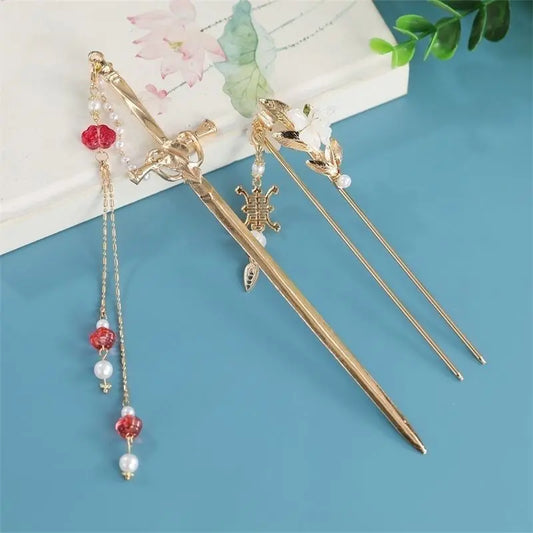
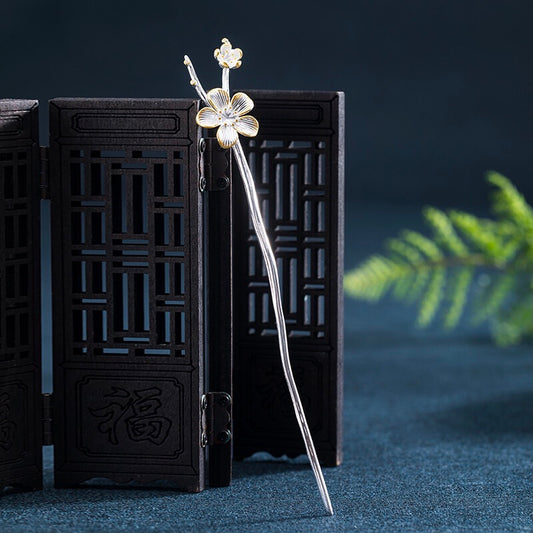
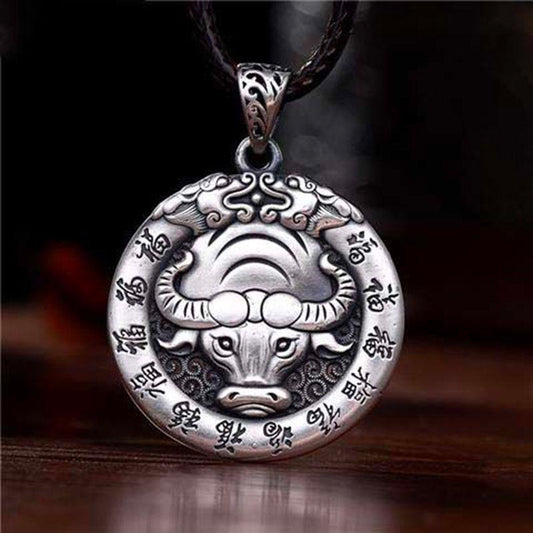
These live store designs are contemporary connections to handwork and ornament. They are not Achang artifacts or substitutes for buying directly from documented Achang makers.
Three Picks from Chinese Showcase
Three contemporary shop selections for readers interested in decorative design. These are not presented as documented heritage objects, community-made crafts, or religious endorsements. Check each product page for current specifications, price, and availability.

Butterfly Love Flower Handmade Tassel Earrings
View product details
Vintage Chinese Style Ebony Wood Butterfly Hairpin with Pearl Tassel – Elegant Qipao Hair Accessory for Women
View product details
Hotan Jade Lotus Enamel Bracelet - Sterling Silver
View product detailsFrequently Asked Questions
Where do the Achang people live?
Most live in western Yunnan, especially Longchuan and Lianghe counties in Dehong, with additional communities in Mangshi and parts of Baoshan.
Do the Achang have their own language and writing system?
Achang is a Tibeto-Burman language. No traditional Achang script is in general everyday use, so Chinese characters are widely used.
What is a Husa knife?
It is a family of forged knives and blades made in Husa by Achang smiths. The craft entered China’s national intangible cultural heritage list in 2006.
When is the Aluwoluo Festival?
It is commonly celebrated on March 20–21 and combines traditions associated with Lianghe’s Woluo and Husa’s Huijie.
Are the Achang the same as the Dai or Jingpo?
No. They have interacted for centuries but retain distinct languages, histories, identities, and traditions.
Is there one traditional Achang costume?
No. Dress varies by locality, age, gender, marital status, period, and occasion.
References
- National Ethnic Affairs Commission of the People’s Republic of China. “Achang Ethnic Group” and related cultural materials. Accessed August 12, 2026.
- National Bureau of Statistics of China. China Statistical Yearbook 2021, ethnic population tables based on the Seventh National Population Census.
- National Language Resources Monitoring and Research Center for Minority Languages. “Achang Language.” January 27, 2024.
- China Intangible Cultural Heritage Digital Museum. “Achang Husa Knife Forging Craft.” Accessed August 12, 2026.
- People’s Daily Overseas Edition. “The Achang Ethnic Group.” November 18, 2017.
- Yunnan Provincial Ethnic and Religious Affairs Commission. Achang history, language, and customs materials. Accessed August 12, 2026.