Explore Uyghur culture in China: Muqam music, Meshrep, Atlas silk, language, foodways, and contemporary life.
In China's 2020 census, 11,774,538 people identified as Uyghur, most living in Xinjiang (National Ethnic Affairs Commission of China).
Uyghur People at a Glance
- Population: 11,774,538 in China's 2020 census.
- Primary region: Xinjiang Uyghur Autonomous Region, with Uyghur communities also living elsewhere.
- Language: Uyghur, a Turkic language with a long written history.
- Living traditions: Regional Muqam music, Meshrep gatherings, Atlas silk weaving, foodways, and many other local practices.
Who Are the Uyghurs, and Where Do They Live?
Uyghurs are one of China's officially recognized ethnic groups. Xinjiang is home to the largest Uyghur population, while contemporary Uyghur life is diverse and includes urban and rural communities, different regional experiences, and individual ways of belonging.

History and Regional Diversity
Uyghur history has unfolded across the varied landscapes and communities of Xinjiang and neighboring regions. Trade, migration, religion, language, and local exchange have shaped cultural life over time. No single timeline or image can represent every Uyghur community; regional histories and contemporary experiences are part of the story.
Uyghur Language and Writing
Uyghur is a Turkic language with a long written history. Uyghur writing has used different scripts across historical periods and settings; today, the Arabic-derived Uyghur script is widely used in Xinjiang, alongside other transliteration and digital contexts. Language carries literature, oral expression, family histories, and everyday communication. (National Ethnic Affairs Commission of China.)

Xinjiang’s varied landscapes and settlements—from oasis communities to larger cities—are part of the story, but no short description can capture every Uyghur experience. Regional identity, urban and rural life, and contemporary choices all matter.
Muqam: Music, Poetry, and Dance
Xinjiang Uyghur Muqam is an umbrella term for diverse musical traditions. UNESCO describes forms that combine songs, dances, folk and classical music, poetry, and varied instruments. Four major regional styles include the Twelve Muqam, Dolan Muqam, Turpan Muqam, and Hami Muqam. Their repertoires and performance styles are not interchangeable. (UNESCO Intangible Cultural Heritage.)
Muqam can be heard in different settings, from community gatherings to staged performances. Listening across regional traditions offers a richer picture than treating Muqam as one uniform genre.

Meshrep: A Participatory Community Gathering
Meshrep refers to community gathering traditions whose forms vary by place. Depending on the local context, a gathering may bring together music, dance, games, oral literature, food, and social or educational roles. It is more than a dance event: it can be a setting where relationships, knowledge, and community memory are shared. (UNESCO Intangible Cultural Heritage.)
UNESCO inscribed Meshrep on its List of Intangible Cultural Heritage in Need of Urgent Safeguarding in 2010. That designation underscores the importance of safeguarding living practice with the participation of the communities who sustain it.
Clothing, Atlas Silk, and Textile Traditions
Atlas silk, also written as ätles or adras in English-language sources, is a vivid woven textile associated with Uyghur craft traditions in Xinjiang. The national intangible-heritage record documents a specific Atlas silk weaving-and-dyeing tradition in Luopu County, Hotan. Patterns, colors, production methods, and contemporary uses can vary; the craft is both a heritage practice and a source of present-day design inspiration. (China Intangible Cultural Heritage Digital Museum.)

Foodways, Hospitality, and Everyday Life
Foodways reflect local ingredients, climate, household traditions, and cultural exchange. Bread, pilaf, noodles, tea, and shared meals often appear in descriptions of Uyghur cuisine, yet recipes and serving customs differ among families and places. Hospitality is best understood through real encounters and individual stories—not a checklist of foods. (National Ethnic Affairs Commission of China.)

Contemporary Craft, Design, and Living Heritage
Textile work, embroidery, ceramics, music, and architecture all appear in the wider cultural landscape of Xinjiang. Traditions continue through makers, families, cultural organizations, and contemporary designers. When motifs or craft references are used in commercial design, clear attribution and care in distinguishing a modern interpretation from an authentic heritage object help avoid misleading claims.

Three Picks from Chinese Showcase
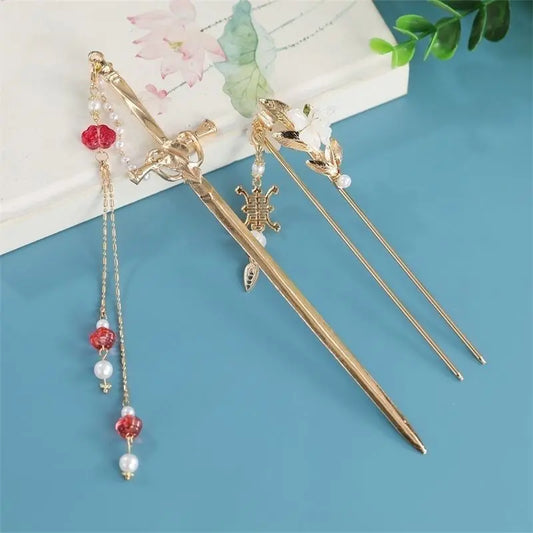
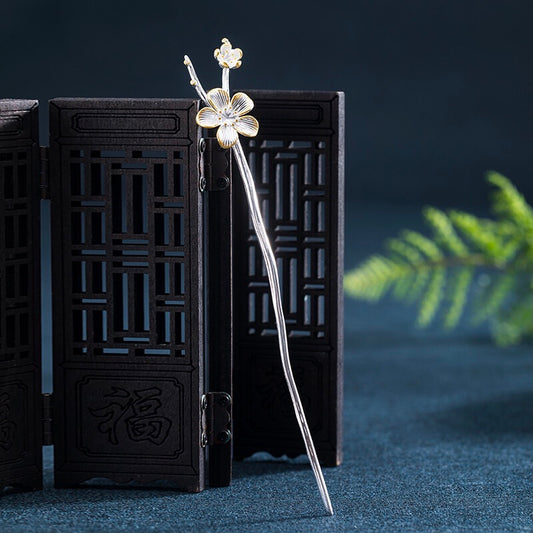
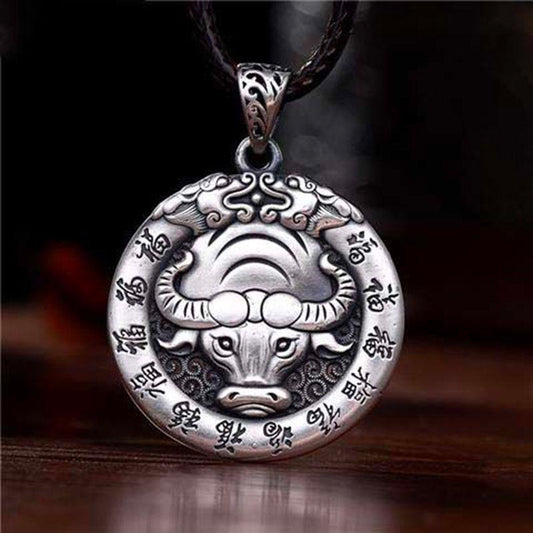
Three contemporary shop selections for readers interested in decorative design. These are not presented as documented heritage objects, community-made crafts, or religious endorsements. Check each product page for current specifications, price, and availability.

Blue Iris Handmade Velvet Flower Hairpin – Silk Thread Sandalwood Chinese Hair Stick
View product details
Handcrafted Peacock Blue Velvet Flower Pearl Earrings | Chinese Traditional Hanfu Style, Cloisonné Silk Art
View product details
Vintage Enamel Colored Red Ruyi Lock Handmade Hollow out Silk Craft Ring- Sterling Silver
View product detailsFrequently Asked Questions
What is Uyghur Muqam?
It is a broad family of musical traditions that may combine songs, instrumental music, poetry, and dance. Regional forms include the Twelve, Dolan, Turpan, and Hami Muqam.
Is Meshrep simply a dance gathering?
No. Depending on the local tradition, Meshrep may combine music and dance with games, oral literature, food, social learning, and community roles.
Is Atlas silk worn by every Uyghur person?
No. Atlas silk is a notable textile tradition, but clothing choices vary widely by place, occasion, generation, and individual preference.
References and Further Reading
- National Ethnic Affairs Commission of China, Uyghur overview (population, distribution, language, and writing history).
- UNESCO Intangible Cultural Heritage, Uyghur Muqam of Xinjiang.
- UNESCO Intangible Cultural Heritage, Meshrep.
- China Intangible Cultural Heritage Digital Museum, Uyghur Atlas Silk Weaving and Dyeing Techniques.
- National Ethnic Affairs Commission of China, Uyghur customs and everyday culture.
This article is a general introduction based on the references above. Heritage records describe specific traditions and safeguarding contexts; they do not define every person’s identity or contemporary practice.
Explore more Chinese ethnic culture articles on Chinese Showcase.