Chinese lion dance is instantly recognizable: a brightly painted head blinks, shakes and rises above a crowd while drums, gongs and cymbals mark every step. Yet the performance is more than festival entertainment. It is a living cultural practice that brings together craftsmanship, martial arts, music, ritual, local identity and collective celebration.
The lion is not native to most of China, but it became a powerful cultural image through diplomacy, trade and Buddhism. Over many centuries, Chinese communities transformed this once-exotic animal into an auspicious guardian. The dancing lion can be playful, curious, dignified or fierce. Its changing personality helps explain why the tradition remains meaningful at Lunar New Year celebrations, temple fairs, weddings, business openings and international cultural festivals.
| Question | Concise Answer |
|---|---|
| What does Chinese lion dance symbolize? | Good luck, protection, courage, prosperity, renewal and community unity. |
| Why is it performed at Chinese New Year? | To clear away the old year, welcome an auspicious beginning and share blessings. |
| What is the difference between northern and southern lion dance? | Northern lions are furry and acrobatic; southern lions have stylized heads and highly expressive movements. |
| What does cai qing mean? | It is the ritual of "plucking the greens," in which the lion collects lettuce or another green offering and returns auspicious wishes. |
| Is lion dance a martial art? | It is a performance tradition closely connected to martial-arts training, especially in southern China. |
What Is Chinese Lion Dance?
Chinese lion dance is a coordinated performance by two dancers inside one lion costume. The front performer carries and controls the head, opening the mouth, moving the ears and eyelids, and shaping the lion's expressions. The rear performer bends forward to form the back and hind legs. The two must breathe, step and react as one creature.
A percussion ensemble directs the performance. The drum provides its pulse and dramatic structure, cymbals sharpen transitions, and the gong adds weight. Experienced performers do not simply follow a beat; they use musical cues to show the lion waking, searching, testing an obstacle, becoming alarmed, showing delight or completing a challenge.
In Chinese, lion dance is generally called wushi. The southern tradition is often called xingshi, or "awakening lion." That name emphasizes alertness and renewal rather than physical appearance alone. A successful performance makes the costume appear conscious: the lion seems to think before it moves.
Origins and Historical Development
There is no single universally accepted origin story. Lions reached the Chinese imagination through contacts with Central and Western Asia, including tribute exchange during the Han period. Because real lions were rare, artists and performers interpreted them through descriptions, imported images and local ideas about protective beasts.
Buddhism strengthened the lion's prestige. In Buddhist imagery, the lion could represent authority, wisdom and the powerful proclamation of teaching, sometimes described metaphorically as a "lion's roar." As Buddhist art spread, lion images appeared in sculpture, temple settings and ceremonial culture. Court entertainment and popular performance also developed animal dances, gradually contributing to recognizable lion-dance traditions.
By the Tang dynasty, lion performances had become established in courtly spectacle. Later regional communities reshaped them according to local music, martial arts and costume-making. Northern styles developed an energetic, furry lion suited to acrobatics, while southern styles created a more fantastic creature with a broad head, mirror, horn and intensely expressive eyes.

Northern Lion and Southern Lion
Northern lion dance
The northern lion is generally covered in long red, orange or golden fur and looks more like a natural four-legged animal. It may perform in a pair, sometimes accompanied by a playful handler. Tumbling, balancing, rolling and climbing are important features. Its lively character reflects both folk entertainment and the legacy of acrobatic performance.
Northern lions are often presented as male and female partners. Details such as ribbons or head ornaments can distinguish them. Their movement is athletic but also humorous: they may scratch, chase a ball, tease the handler or interact with each other.

Southern lion dance
The southern lion is especially associated with Guangdong and with martial-arts schools. Its large head is made from a light framework, traditionally bamboo and paper, then painted and decorated with fur, mirrors and symbolic patterns. The body is a fabric train rather than a fully modeled animal torso.
Southern traditions include the Fut San and Hok San families of style. Fut San is widely known for forceful martial stances and dramatic power. Hok San often emphasizes agile steps, realistic animal behavior and expressive rhythm. Modern teams may combine elements from both.
The lion's emotions are central. Small movements of the head can communicate curiosity, caution, fear, pride, sleepiness or joy. The performer must control the eyes, mouth and ears while maintaining stable footwork and coordinating with the dancer behind.
How a Chinese Lion Dance Is Performed
1. Eye-dotting and awakening
Before a new lion is used, a respected guest or teacher may dot its eyes and other features with red pigment. The ceremony is often called "awakening the lion." Symbolically, it gives the lion sight, hearing, breath and energy. Customs differ between communities, but the central idea is that the costume changes from a crafted object into an active ceremonial presence.
2. Waking and greeting
The lion begins slowly. It may tremble, stretch, blink and clean itself before standing. A bow or sequence of respectful gestures acknowledges the altar, host, teacher or audience. These controlled opening movements establish character and demonstrate the dancers' synchronization.
3. Exploring and overcoming obstacles
The lion investigates its surroundings. It may approach a doorway, bridge, bench or high poles, then hesitate as though evaluating danger. This dramatic sequence turns athletic technique into storytelling. The challenge represents uncertainty, and the lion's eventual success represents courage and intelligent action.
4. Cai qing: plucking the greens
In a common southern ritual, lettuce or another green vegetable is suspended with a red envelope. The lion approaches carefully, "eats" the greens, and then scatters pieces toward the audience or business. The Chinese word for vegetable or greens, cai, resembles a word associated with wealth, so the action is interpreted as gathering and distributing prosperity.
More elaborate cai qing arrangements form puzzles. The placement of fruit, greens, benches or symbolic objects may require the performers to determine a respectful solution. Traditional etiquette matters: the lion should not rush greedily toward the offering. Caution, intelligence and restraint are part of the message.
5. Completion and blessing
After overcoming the challenge, the lion may reveal a scroll carrying an auspicious phrase, bow to the host and exit to a triumphant rhythm. The conclusion communicates that difficulty has been transformed into shared fortune.
What Does Chinese Lion Dance Symbolize?
Protection and the removal of harmful influence
The lion is treated as a guardian. Its powerful head, bright eyes, horn and mirror create an imposing presence, while the thunder of percussion announces that stagnant or harmful energy is being cleared. This protective interpretation explains why a lion may visit doorways, shops, temples and public spaces.
Good fortune and prosperity
Lion dance is closely linked with auspicious beginnings. At Lunar New Year it welcomes a fresh cycle; at a business opening it expresses hope for growth; at a wedding it offers happiness and protection. Cai qing makes the prosperity symbolism particularly visible, but the blessing is broader than money alone. It includes flourishing relationships, successful work and a peaceful community.
Courage, discipline and wisdom
The lion is strong, but the performance celebrates more than force. A well-acted lion observes before leaping and responds intelligently to obstacles. Its courage is supported by discipline. This is why martial-arts schools value lion dance as training in stamina, stable stances, respect, coordination and trust.
Unity and cooperation
No performer can create the lion alone. The head and tail dancers must move as one, while musicians and assistants respond to the same unfolding sequence. The art therefore makes cooperation visible. For community associations and diaspora groups, practice also creates a place where generations learn together.
Awakening and renewal
The term "awakening lion" gives the southern tradition an additional layer. Opening the eyes suggests awareness; rising from sleep suggests renewal; completing the challenge suggests personal and collective progress. These ideas make the lion suitable for ceremonies marking a transition.
Lion Dance Colors and Their Meanings
Color symbolism varies by lineage, region and costume maker, so it should not be treated as a rigid code. Traditional southern lions may be associated with characters from the historical novel Romance of the Three Kingdoms, while modern teams also select colors for visual impact and identity.
| Color | Common Association | Design Effect |
|---|---|---|
| Red | Joy, vitality, celebration and good fortune | Energetic and highly visible at festivals |
| Yellow or gold | Prosperity, dignity and abundance | Creates a radiant, auspicious presence |
| Green | Growth, youth and vigorous life | Connects naturally with renewal and cai qing |
| Black | Strength, boldness and an intense temperament | Produces a forceful, dramatic character |
| White | Age, experience or solemnity in some lineages | Can indicate a mature or dignified lion |
| Multicolor | Festivity, inclusion and contemporary creativity | Common in modern teams and commercial events |

When Is Lion Dance Performed?
Lunar New Year: The best-known setting. Performances welcome a favorable year and bring blessings to streets, homes and businesses.
Business openings: A lion may enter the premises, inspect the space and complete cai qing to wish the enterprise steady growth.
Weddings and family celebrations: The performance expresses happiness, protection and a prosperous shared future.
Temple fairs and community festivals: Lion dance contributes both ritual significance and public spectacle.
Competitions: Modern teams perform standardized routines, including demanding high-pole sequences judged for difficulty, execution, expression and musical coordination.
Lion Dance vs Dragon Dance
Lion dance and dragon dance are often seen at the same festivals, but they are different arts. A lion is normally operated by two dancers within one compact costume. A dragon has a long body held on poles by a larger team, and its movement depends on waves, spirals and the coordination of many visible performers.
| Feature | Lion Dance | Dragon Dance |
|---|---|---|
| Performers | Usually two per lion | Usually a larger team holding poles |
| Character | Individual animal with facial expressions | Long celestial creature moving as a continuous body |
| Typical focus | Martial footwork, acting, cai qing and acrobatics | Large formations, waves, coils and pursuit of a pearl |
| Shared symbolism | Luck, protection and auspicious beginnings | Power, rain, vitality and collective fortune |
Lion Dance as a Living Global Tradition
Today, lion dance is practiced in schools, martial-arts clubs, community associations and professional teams across the world. In overseas Chinese communities, it is both a public celebration and a way to pass language, rhythm, craftsmanship and values between generations. Non-Chinese participants also increasingly learn the art through disciplined training and respectful community involvement.
Competition has encouraged technical innovation. High-pole southern lion dance requires athletes to leap between narrow platforms while maintaining the illusion of a single animal. Contemporary costumes use lighter materials and new color palettes, yet core principles remain: the lion should have spirit, movement should match the drum, and technical difficulty should serve character rather than replace it.

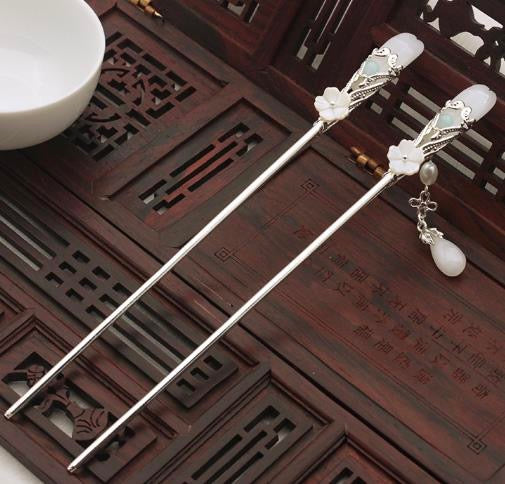
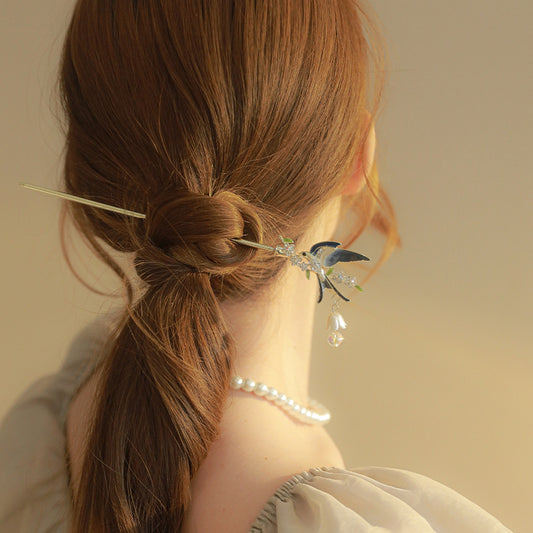
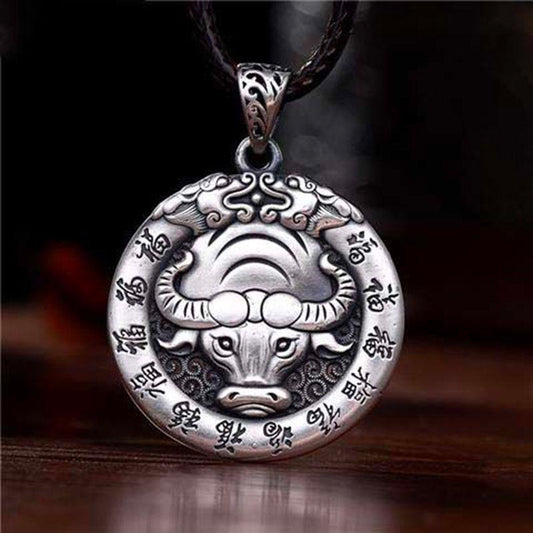
Selected Lion Dance Jewelry
These three pieces translate the alert eyes, protective character and festive energy of the awakening lion into wearable designs.


Frequently Asked Questions
What does a Chinese lion dance symbolize?
It commonly symbolizes protection, good luck, prosperity, courage, renewal and community unity. The precise emphasis depends on the event and local tradition.
Why is the lion dance performed during Chinese New Year?
It helps mark the transition into a new year, clear away misfortune and welcome an auspicious beginning. Visits to homes and businesses also distribute blessings through the community.
Why are the lion's eyes dotted before a performance?
The eye-dotting ceremony symbolically awakens the lion and gives it awareness. It is especially associated with the first use of a new lion head.
What is the spiritual meaning of lion dance?
Its spiritual meaning centers on awakening, protection and the transformation of difficulty into positive energy. It can be ceremonial without representing one single religion.
What does the lion eat during cai qing?
The offering usually includes lettuce or other greens, often with a red envelope. The lion gathers the offering and returns an auspicious message or scatters the greens as a blessing.
Is lion dance Chinese or Japanese?
Lion-dance traditions exist across Asia. Chinese lion dance is a distinct family of traditions with northern and southern styles; Japan has its own related but culturally specific shishimai traditions.
Is lion dance the same as dragon dance?
No. A lion is usually animated by two performers inside one costume, while a dragon is carried on poles by a larger visible team.
Can women perform lion dance?
Yes. Women and girls participate as lion dancers, musicians, coaches and competitors in contemporary teams around the world.
Conclusion
Chinese lion dance turns a crafted costume into a vivid guardian through movement, music and cooperation. Its history reflects long-distance cultural contact, Buddhist imagery, court entertainment, regional martial arts and local festival life. Its symbolism is equally layered: the lion protects, awakens, gathers fortune, faces danger and shares success.
The tradition remains compelling because its meanings are performed rather than merely stated. Every blink, cautious step, leap and drumbeat gives visible form to courage, discipline and renewal. Whether seen at Lunar New Year, a wedding, a shop opening or an international competition, the dancing lion carries an old blessing into a new setting.
References
- China Intangible Cultural Heritage Network: Lion Dance
- General Administration of Sport of China: Lion Dance Culture and Sport
- State Council Information Office: Chinese Lion Dance
- Qingxin Government: Guangdong Awakening Lion Tradition
- Lufeng Government: Regional Lion Dance Heritage