Cloisonné enamel is one of the most refined and recognizable decorative art techniques in the world. Known for its brilliant colors, intricate patterns, and jewel-like surface, cloisonné has long been associated with imperial courts, religious objects, and fine craftsmanship. In Chinese culture, cloisonné enamel represents not only technical mastery but also a harmonious fusion of art, symbolism, and philosophy.
Today, cloisonné continues to appear in jewelry, ritual objects, decorative art, and modern design, admired for both its visual richness and its cultural depth. This article provides a comprehensive introduction to cloisonné enamel—its definition, history, materials, production process, symbolic meaning, and enduring value—making it especially suitable for collectors and customers of culturally inspired products.
1. What Is Cloisonné Enamel?
Cloisonné enamel is a decorative technique in which thin metal wires—traditionally copper, brass, silver, or gold—are bent and fixed onto a metal surface to create enclosed compartments, known as cloisons (from the French word for “partitions”). These compartments are then filled with powdered enamel pigments and fired at high temperatures. Once cooled and polished, the surface becomes smooth, glossy, and vividly colored.
- Distinct metal outlines separating color areas
- Rich, saturated enamel colors
- A smooth, glass-like finish
- Highly detailed and symmetrical patterns
Each piece is the result of multiple labor-intensive steps, requiring patience, precision, and artistic judgment.
2. The Origins of Cloisonné Enamel
The origins of cloisonné enamel can be traced back to the ancient Mediterranean world, particularly Byzantium and the Middle East. Through cultural exchange along the Silk Road, the technique reached China during the Yuan Dynasty (13th–14th century).
However, it was during the Ming Dynasty—especially under the Xuande and Jingtai emperors—that cloisonné flourished and developed its uniquely Chinese identity. The deep turquoise-blue enamel popular during the Jingtai reign became so iconic that cloisonné in China is still commonly referred to as “Jingtai Blue” (景泰蓝).

3. Cloisonné Enamel in Imperial China
Cloisonné was once reserved primarily for the imperial court. Large vessels, incense burners, ritual objects, and decorative panels were produced exclusively for emperors, temples, and high-ranking officials. The materials, colors, and motifs used in cloisonné often reflected strict hierarchical symbolism.
- Use of auspicious colors such as blue, red, yellow, and gold
- Motifs symbolizing power, longevity, and cosmic order
- Large-scale objects designed for palaces and altars
Because of its complexity and cost, cloisonné was considered a luxury art form, embodying authority, refinement, and cultural sophistication.
4. Materials Used in Cloisonné Enamel
Metal Base
Traditionally, copper is used as the base metal due to its malleability and ability to withstand repeated firing. In higher-end works, silver or gold may be used, particularly in jewelry.
Metal Wires
Thin metal strips are shaped by hand and glued or soldered onto the surface to form patterns. These wires define the boundaries of each color area and remain visible in the final piece.
Enamel Pigments
Enamel is made from finely ground glass mixed with mineral oxides to produce different colors. Each color responds differently to heat, requiring careful control during firing.
5. The Cloisonné Production Process
- Designing: Patterns are drawn directly onto the metal base.
- Wire Setting: Metal wires are shaped and fixed to outline the design.
- Enamel Filling: Enamel powders are carefully placed into each compartment.
- Firing: The piece is fired in a kiln at high temperature.
- Repeated Filling & Firing: Enamel shrinks when heated, requiring multiple layers.
- Polishing: The surface is ground and polished until smooth and glossy.
- Gilding: Exposed metal may be gilded for protection and beauty.

6. Symbolism and Motifs in Cloisonné Enamel
Cloisonné designs are rarely decorative alone; they are rich in symbolic meaning. Common motifs include:
Dragons
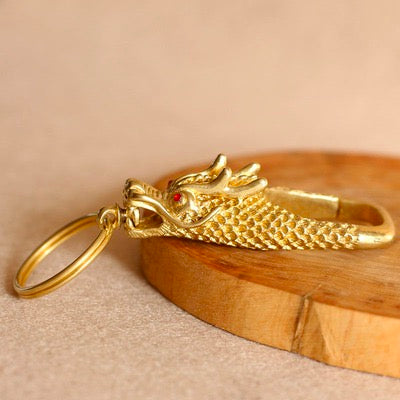
Symbolize imperial power, authority, and cosmic balance.
Phoenix
Represents harmony, virtue, and marital happiness.
Lotus
Signifies purity, spiritual awakening, and renewal.
Clouds & Ruyi
Express good fortune, fulfillment of wishes, and divine blessing.
7. Cloisonné Enamel in Jewelry
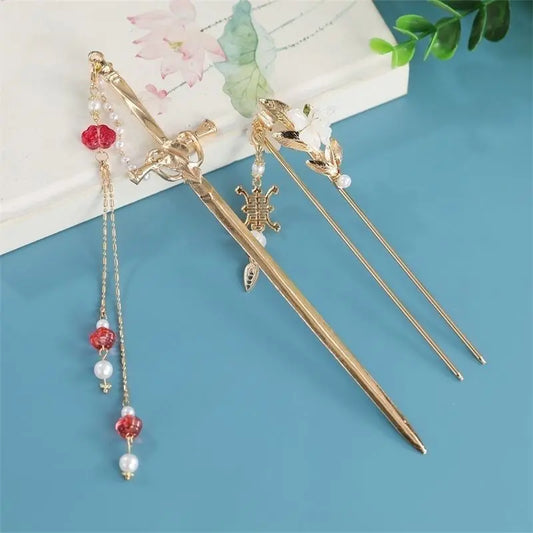
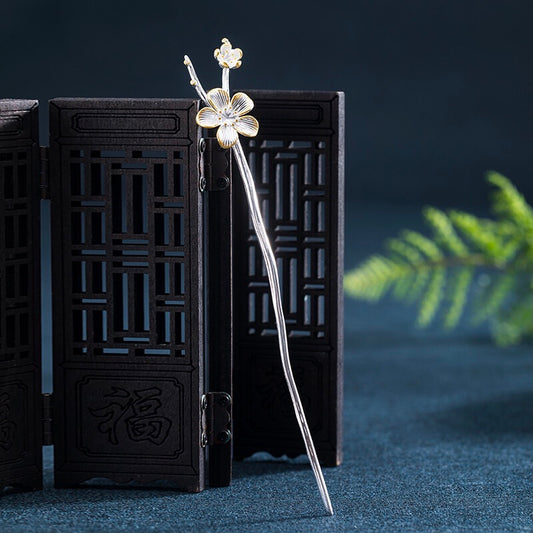
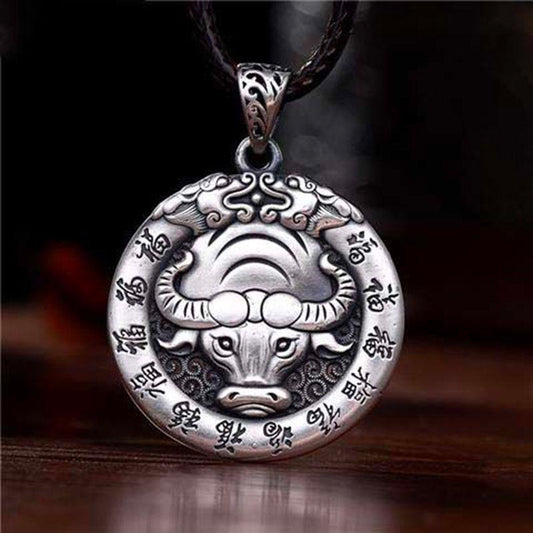
In jewelry, cloisonné enamel offers a unique combination of durability and artistic expression. Rings, bracelets, pendants, and hair ornaments decorated with cloisonné often feature symbolic patterns and vivid color contrasts.
- Highly detailed pictorial designs
- Lightweight yet visually rich surfaces
- Symbolic storytelling through color and motif

8. Modern Cloisonné and Contemporary Design
While rooted in tradition, cloisonné has evolved in modern times. Contemporary artisans experiment with minimalist patterns, softer color palettes, and new forms, integrating cloisonné into modern lifestyles while preserving its core techniques.
- Fine jewelry and fashion accessories
- Home décor and art objects
- Collectible limited-edition artworks
9. Why Cloisonné Enamel Is Valuable
The value of cloisonné enamel lies in its combination of artistry, labor, and cultural heritage. Authentic cloisonné pieces require:
- Extensive hand craftsmanship
- Multiple firings with high risk of failure
- Deep knowledge of color chemistry
- Strong cultural and symbolic foundations

10. Conclusion: Cloisonné Enamel as Living Heritage
Cloisonné enamel is far more than a decorative technique. It is a living heritage that embodies history, symbolism, and human skill. From imperial palaces to modern jewelry collections, cloisonné continues to captivate with its luminous beauty and cultural depth.
For those who value craftsmanship and meaning, cloisonné enamel offers a timeless connection between art, tradition, and contemporary life—making each piece not just an object, but a story rendered in metal and color.
Three Picks from Chinese Showcase
Three contemporary shop selections inspired by this article’s materials, motifs, or wider decorative themes. These products are not historical artifacts. Check each product page for current specifications, price, and availability.

S925 Sterling Silver Blue Lotus Tassel Earrings | Flame-Blue Enamel
View product details
Chinese Guochao Fortune Bag Tassel Pendant with “Fu” Character – Cloisonné Enamel Lucky Charm
View product details