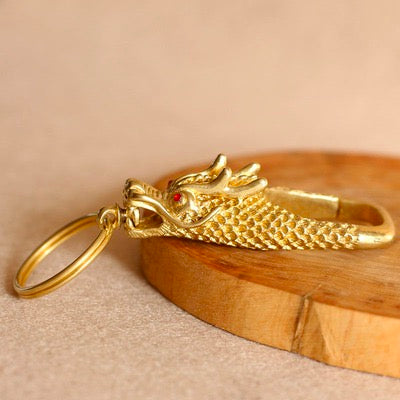
What is a Chinese Hairpin Ceremony?
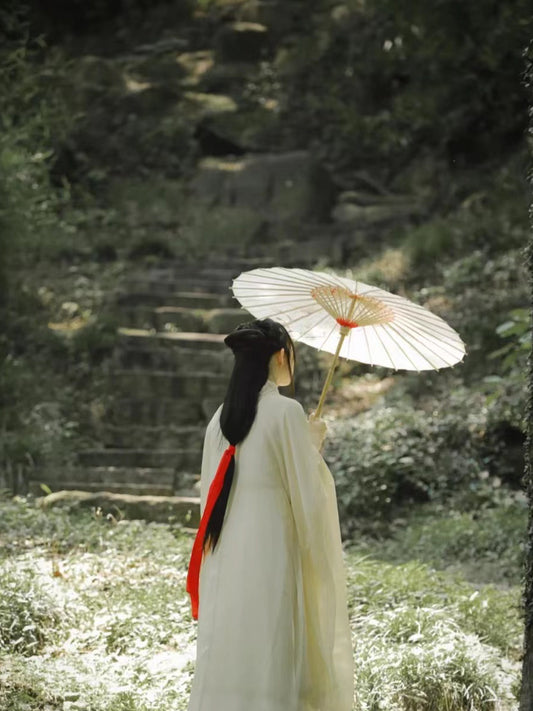
The Chinese Hairpin Ceremony (笄礼, jī lǐ) is an ancient coming-of-age ritual for young women in traditional Chinese culture. It symbolizes the transition from girlhood to womanhood and was historically performed when a girl reached the age of 15 (or sometimes 20 in certain dynasties). This cultural tradition dates back over 2,000 years, often marking a woman’s readiness for marriage and her acceptance of adult responsibilities within the family and society.
Historical Origins of the Hairpin Ceremony
The Hairpin Ceremony can be traced back to the Zhou Dynasty (1046–256 BCE). It was a counterpart to the capping ceremony (冠礼, guān lǐ) for men. During the ritual, a respected elder or family member would carefully arrange the girl’s hair into a mature style and secure it with a beautiful hairpin (簪, zān). This act symbolized her formal entry into adulthood.
Cultural Significance
In ancient China, hair was considered sacred, as it was a gift from one’s parents. Styling the hair into an adult bun and fastening it with an ornate hairpin was not just a fashion statement but a declaration of maturity, virtue, and readiness for new life stages.
- Symbol of Womanhood: Wearing a hairpin meant a girl could now be considered a young lady.
- Expression of Elegance: Hairpins were often crafted from precious metals, jade, or adorned with pearls and gemstones.
- Family and Social Status: The quality of the hairpin reflected the family's wealth and position.
Traditional Ceremony Process
The ceremony was a formal event involving family members, respected elders, and sometimes community leaders. A few key steps included:
- Hair Styling: The girl’s hair was combed and arranged into a bun or coil.
- Hairpin Placement: The chosen elder placed the hairpin into her hair, marking the transformation.
- New Name: In some traditions, the young woman would be given an adult name.
- Blessings and Gifts: Guests would offer blessings and meaningful gifts, often including jewelry.
Hairpins in Modern Celebrations
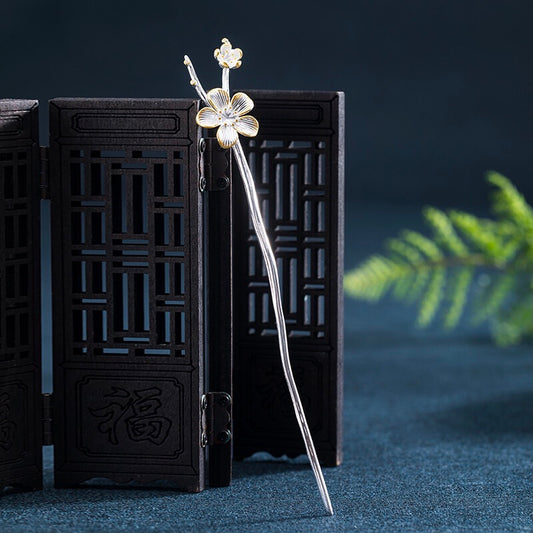
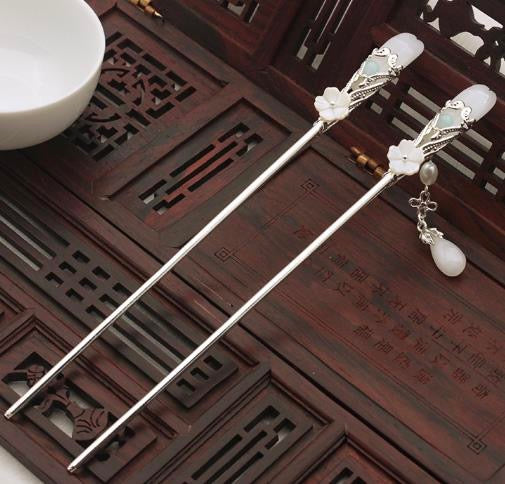
While the traditional Hairpin Ceremony is less common today, it is still practiced in certain cultural events, Hanfu gatherings, and weddings. Many young women choose to wear exquisite traditional hairpins to honor this beautiful heritage.
Elegant Phoenix Hairpin – Traditional Chinese Kanzashi
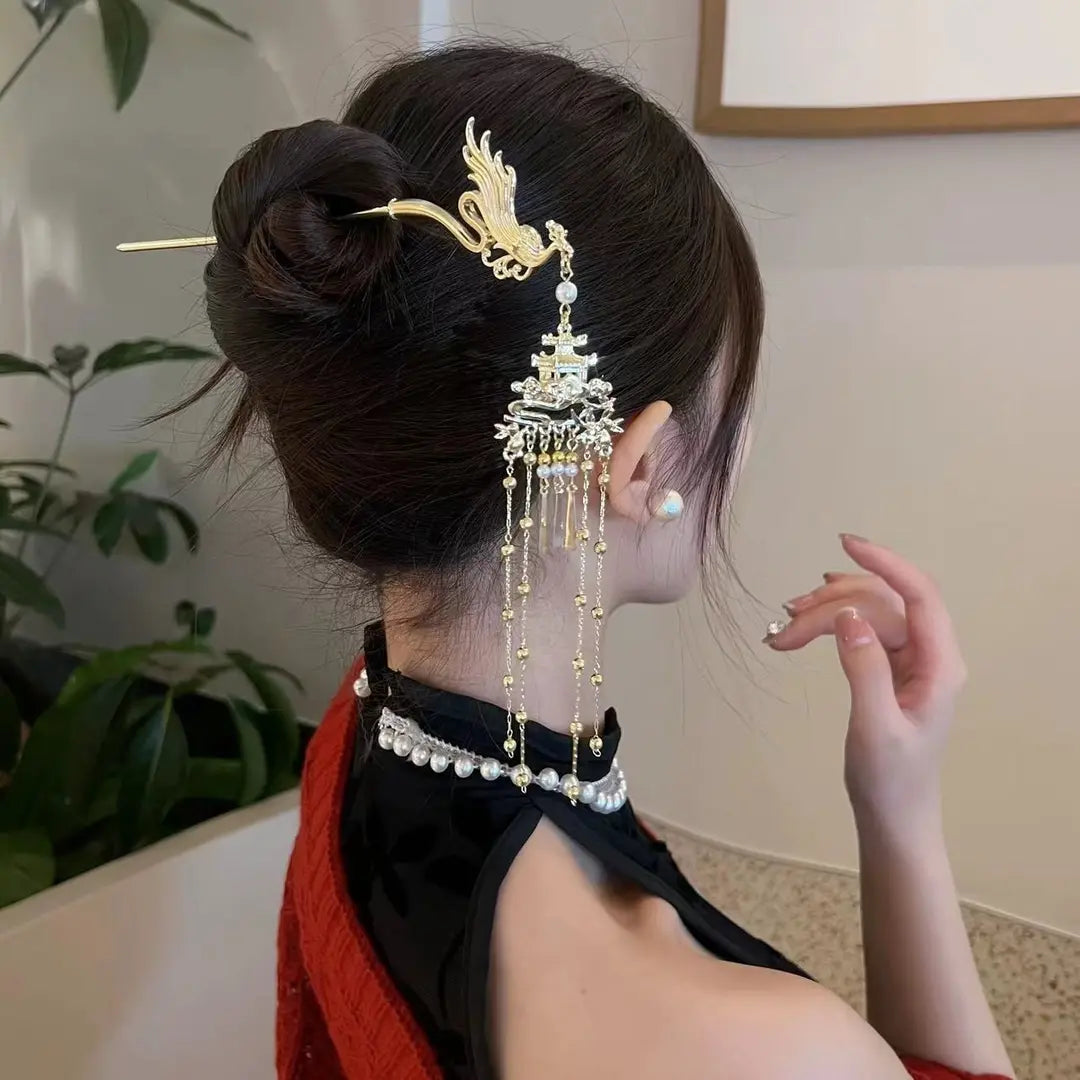
This phoenix hairpin is perfect for Hanfu lovers and traditional ceremonies, featuring intricate detailing that represents grace, virtue, and auspicious blessings.
Shop Now2 Phoenix Pearl Tassel Hairpin
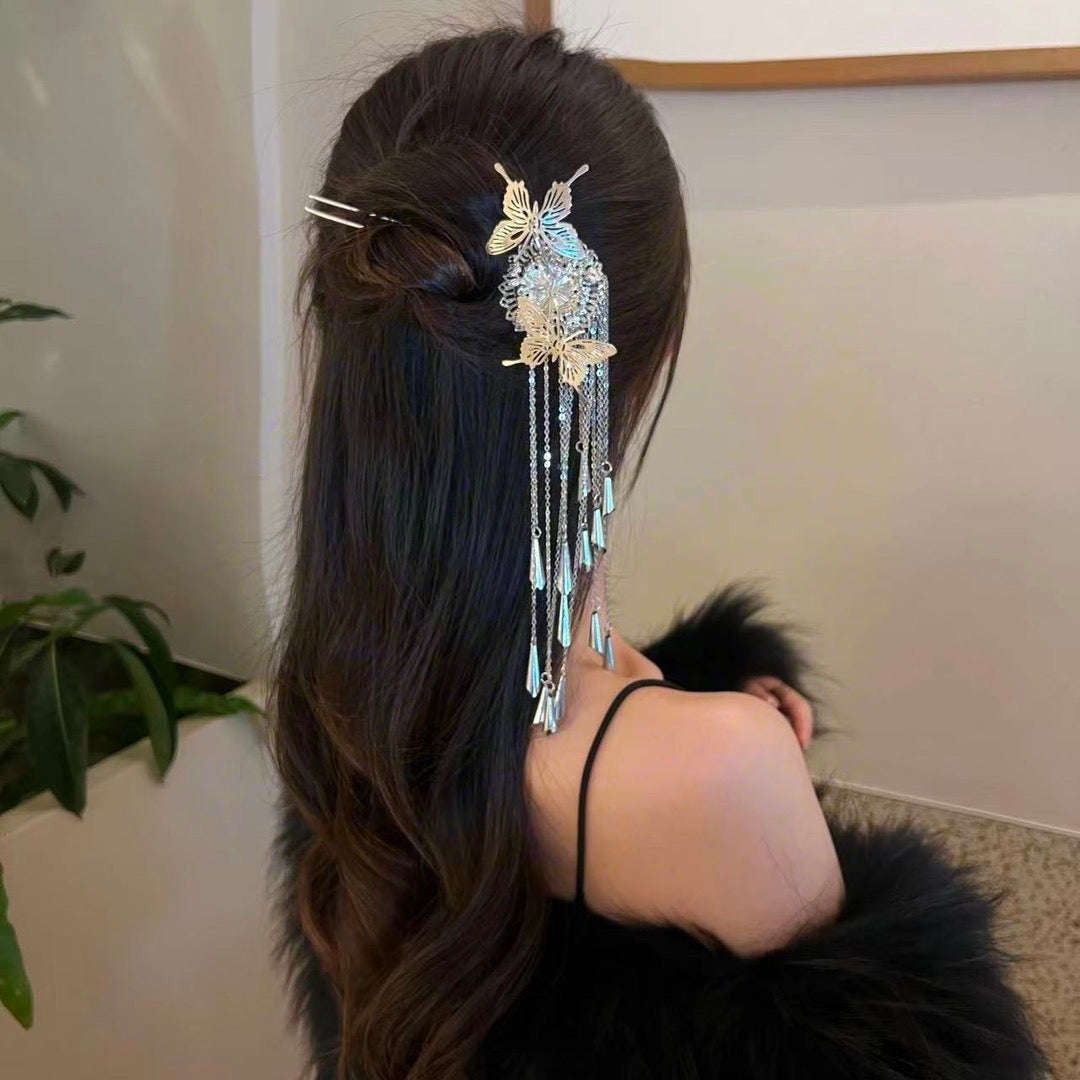
A luxurious hair accessory with dual phoenix designs and pearl tassels, symbolizing harmony and good fortune. Ideal for weddings and cultural performances.
Shop NowAncient Style Hidden Sword Hairpin

This unique hairpin hides a miniature sword inside, blending elegance with a sense of mystery. Perfect for collectors and Hanfu enthusiasts.
Shop NowWhy Hairpins Make Perfect Gifts
Hairpins are not only functional accessories but also meaningful cultural symbols. Gifting a hairpin can express admiration, respect, and blessings for happiness and prosperity. In modern fashion, they also serve as statement pieces that blend tradition with contemporary style.
Conclusion
The Chinese Hairpin Ceremony remains a beautiful reminder of cultural heritage, symbolizing a young woman’s growth, grace, and role in society. Whether for tradition, fashion, or celebration, a carefully chosen hairpin can carry profound meaning and timeless elegance.