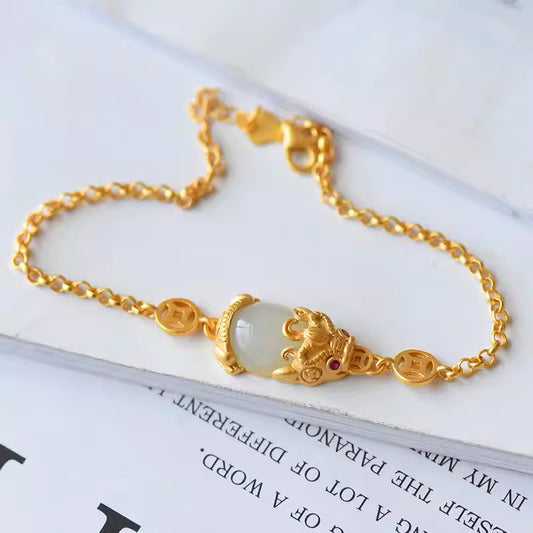
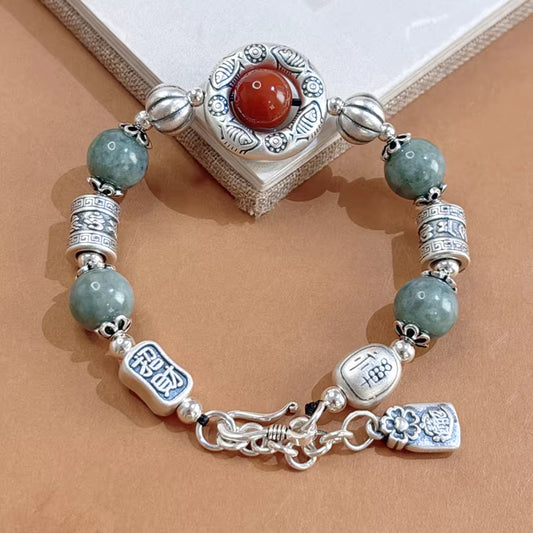
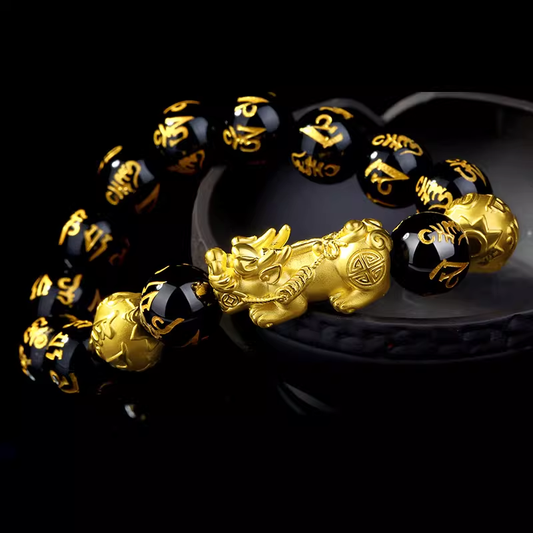
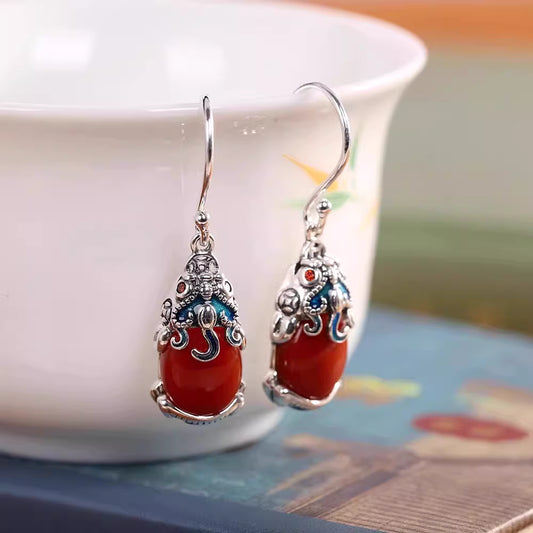
In traditional Chinese culture, a Pixiu bracelet is more than a refined accessory—it is regarded as a spiritual talisman symbolizing wealth attraction, protection, and auspicious fortune. Just as the body and mind require regular cleansing to remain in optimal condition, a Pixiu bracelet worn over time is believed to absorb external energies and therefore needs periodic purification. Among the many cleansing methods, salt (salt water) cleansing is often discussed due to salt’s strong purifying reputation. However, this method is far from a simple soak. It involves cultural principles, precise procedures, and critical taboos that must be respected. This guide provides a complete and careful explanation of how to use salt water to cleanse a Pixiu bracelet safely, respectfully, and effectively.
Cultural and Energetic Foundations of Salt Water Cleansing
Before applying the method, it is essential to understand why salt is used. This practice is not a modern invention but is rooted in ancient traditions across civilizations.
-
Cross-Cultural Symbol of Purification
In many cultures, salt represents purity, sanctity, and protection. In Western traditions, salt is used to ward off negative forces and cleanse spaces; in Japanese Shinto practices, salt is used to purify shrines and ritual areas. This cross-cultural consensus reflects salt’s universally recognized purifying nature. -
Energetic Perspective
In Feng Shui and energy-healing concepts, salt—especially sea salt—is believed to absorb and neutralize negative or stagnant energy. It functions like an energetic “sponge,” drawing out low-frequency or chaotic vibrations from objects and environments. -
Physical Properties
Salt (sodium chloride) has natural antibacterial and cleansing properties. From a practical standpoint, mild salt water can help loosen sweat and surface residue, restoring the bracelet’s natural clarity and luster. -
Alignment with Pixiu’s Nature
Pixiu is known for absorbing wealth and fortune, but in doing so it may also accumulate mixed energies from its surroundings. Salt water cleansing symbolically “cleanses its mouth and stomach,” removing impure or stagnant influences and restoring focused, harmonious energy flow.

Critical Warning: Major Limitations of the Salt Water Method
Before describing the steps, one essential rule must be stated clearly: Salt water cleansing is NOT suitable for all Pixiu bracelet materials. Incorrect use can cause irreversible damage.
Materials that must NEVER be cleansed with salt water:
-
Metal Components
Especially sterling silver, gold-plated, copper, or alloy parts. Salt water reacts chemically with metals, causing oxidation, discoloration, loss of shine, or corrosion. Silver, for example, can darken rapidly when exposed to salt. -
Porous or Soft Materials
- Pearls (natural or cultured): Salt damages nacre and dulls luster.
- Coral and Shell: Primarily calcium carbonate; salt exposure weakens structure and reduces shine.
- Turquoise: Highly porous; salt water may darken color, weaken structure, or cause cracking.
- Lapis Lazuli, Malachite: Sensitive to chemical exposure; salt may dull or erode surfaces.
- Wood, Seeds (Bodhi, Agarwood, Sandalwood): Salt water causes swelling, cracking, and oil loss.
- Amber and Beeswax: Organic gemstones; salt water can cloud the surface.
-
Bracelets with Inlays or Metal Clasps
Even if the main beads are suitable, any metal components make full immersion risky.
Materials that may be considered (with strict caution):
- Dense, high-hardness crystals and stones such as quartz family stones (clear quartz, amethyst, citrine, smoky quartz, rutilated quartz), obsidian, agate, chalcedony, jadeite, Hetian jade.
Important Note: Even for these relatively stable materials, salt water is not the preferred method. Flowing water, moonlight or sunlight exposure, incense smoke, or crystal clusters are generally safer and more widely recommended.
Seven-Step Safe Salt Water Cleansing Procedure
If you have confirmed that your Pixiu bracelet is made from a suitable material and still choose to proceed, follow these steps precisely.
Step 1: Mental Preparation and Environment
Choose a quiet moment and calm your mind. Wash your hands and clear the surface you will use. You may softly state your intention, such as: “With respect, I cleanse this Pixiu bracelet to remove stagnant energies and restore its clarity, that it may continue to protect and attract auspicious fortune.” Intention reflects respect.
Step 2: Preparing the Salt Water
- Salt: Use natural sea salt or rock salt. Avoid refined table salt with iodine or additives.
- Water: Use purified, mineral, or filtered water. Avoid chlorinated tap water.
- Concentration: Low concentration is essential. Dissolve a small pinch of salt (2–3 g) in a large bowl (300–500 ml) of room-temperature water. The water should taste only mildly salty.
Step 3: Brief Immersion
Fully immerse the bracelet for no more than 3–5 minutes. This is sufficient for energetic cleansing while minimizing physical risk. Never soak overnight.
Step 4: Gentle Interaction and Intention
While soaking, gently move the bracelet in the water and visualize negative or stagnant energy dissolving and dispersing. Avoid any rubbing or force.
Step 5: Thorough Rinsing (Critical)
Immediately remove the bracelet and rinse it thoroughly under flowing purified or mineral water for 1–2 minutes. Ensure no salt residue remains in any crevice. Residual salt can crystallize and damage the surface over time.
Step 6: Drying Naturally
Gently pat dry with a clean, soft, lint-free cloth. Place the bracelet in a cool, well-ventilated area to air-dry completely. Do not use heat, hair dryers, or direct sunlight.
Step 7: Recharging After Cleansing
Once fully dry, hold the bracelet briefly to reconnect with its energy. If possible, place it under gentle moonlight (ideally around the full moon) overnight to rebalance and recharge after the cleansing process.

Aftercare and Important Considerations
- Cleansing Frequency: Even for suitable materials, salt water cleansing should be used sparingly—once every three to six months at most.
- Observe Changes: If you notice dullness, cracks, or discoloration, stop using salt water immediately.
- Cleansing vs. Consecration: Cleansing does not replace consecration. Consecration establishes spiritual purpose; cleansing maintains energetic clarity.
- Mindset: Respectful intention and sincerity are as important as technique.
Conclusion: Safety, Respect, and Informed Care
Salt water cleansing is a double-edged method. While supported by deep cultural and energetic traditions, it carries material-specific risks and requires careful execution.
For most wearers, the most balanced recommendation is: Unless you are absolutely certain your Pixiu bracelet is made of dense, single-crystal material and you are prepared to accept potential risk, prioritize safer cleansing methods, such as:
- Flowing water cleansing (avoiding metal parts)
- Sunlight or moonlight exposure
- Incense smoke cleansing (sandalwood or agarwood)
- Placing on amethyst or clear quartz clusters overnight
Caring for a Pixiu bracelet begins with understanding its material and choosing the most respectful method. Proper cleansing is not only maintenance of a treasured object but also an extension of cultural tradition and personal intention. When done correctly, the cleansing ritual itself becomes a moment of stillness and meaningful connection with an auspicious symbol.