Introduction: Cultural Codes Hidden Within Symbols
Throughout China’s five-thousand-year civilization, symbols have never been mere decorative patterns or simple signs. They are condensed expressions of philosophy, cosmology, social ethics, and aesthetic values. These symbols transcend time and continue to appear in architecture, art, craftsmanship, rituals, and daily life today. To understand their deeper meanings is to unlock a key to the treasure house of traditional Chinese culture.
I. The Symbolic System of Yin, Yang, and the Five Elements
The Taiji and Bagua: Fundamental Laws of the Universe
The Taiji (Yin-Yang) diagram stands at the very core of Chinese philosophy. Composed of black and white interlocking forms, it visually expresses the dynamic balance of the universe.
Core Symbolic Meanings:
- Mutual Generation: Yin contains Yang, and Yang contains Yin.
- Perpetual Motion: The circular movement represents constant transformation.
- Harmonious Unity: Opposites coexist and depend on one another.
The Bagua (Eight Trigrams) system is constructed from combinations of solid (Yang) and broken (Yin) lines, representing fundamental states of nature and human life.
| Trigram | Symbol | Nature | Virtue | Direction |
|---|---|---|---|---|
| Qian | ☰ | Heaven | Strength | Northwest |
| Kun | ☷ | Earth | Receptiveness | Southwest |
| Zhen | ☳ | Thunder | Movement | East |
| Xun | ☴ | Wind | Penetration | Southeast |
| Kan | ☵ | Water | Depth | North |
| Li | ☲ | Fire | Clarity | South |
| Gen | ☶ | Mountain | Stillness | Northeast |
| Dui | ☱ | Lake | Joy | West |
The Five Elements: Foundations of All Things
The Five Elements theory explains the universe through five fundamental forces: Wood, Fire, Earth, Metal, and Water.
Generating Cycle: Wood → Fire → Earth → Metal → Water → Wood
Controlling Cycle: Wood → Earth → Water → Fire → Metal → Wood
- Wood: East, Spring, Green, Liver, Benevolence
- Fire: South, Summer, Red, Heart, Propriety
- Earth: Center, Late Summer, Yellow, Spleen, Trust
- Metal: West, Autumn, White, Lungs, Righteousness
- Water: North, Winter, Black, Kidneys, Wisdom

II. Auspicious Motifs and Decorative Symbols
Animal Symbols
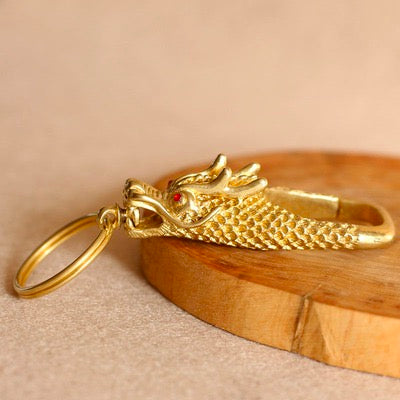
Dragon: Imperial power, wisdom, cosmic authority.
Phoenix: Harmony, rebirth, noble virtue; often paired with the dragon to symbolize marriage.
Qilin: Benevolence, auspiciousness, and the birth of sages.
Tortoise & Crane: Longevity, stability, spiritual elevation.
Bat: A symbol of blessing due to its phonetic similarity to “fortune” (福).
Plant Symbols
- Lotus: Purity, spiritual rebirth, continuity.
- Peony: Wealth, honor, prosperity.
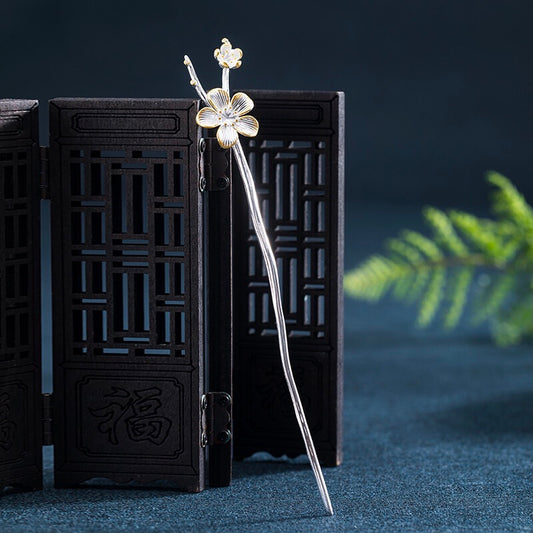
- Pine, Bamboo, Plum: The “Three Friends of Winter,” representing resilience and integrity.
- Pomegranate: Fertility, family prosperity.
Object Symbols
- Ruyi Scepter: Fulfillment of wishes.
- Vase: Peace and safety (homophone of “peace”).
- Ancient Coins: Wealth, protection, harmony of heaven and earth.

III. Characters and Numbers as Symbols
Auspicious Characters
- Fu (福): Blessings and happiness; often displayed upside down to symbolize “fortune arriving.”
- Shou (寿): Longevity and health.
- Xi (囍): Double happiness, exclusively used in weddings.
Symbolic Numbers
- One: Origin, unity
- Three: Heaven, Earth, Humanity
- Five: Five elements, five blessings
- Eight: Wealth and prosperity
- Nine: Eternity and imperial authority
- Ten: Completeness

IV. Daoist and Buddhist Symbol Systems
Daoist Symbols
- Taiji and Bagua
- Talismans (Fu): protection, healing, blessings
- Eight Immortals’ Attributes: each representing unique spiritual powers
Buddhist Symbols
- Swastika (卍): Infinite virtue and auspiciousness
- Lotus Throne: Spiritual purity
- Dharma Wheel: The Eightfold Path
- Bodhi Tree & Vajra: Enlightenment and indestructible wisdom
V. Symbols in Architecture and Daily Life
From roof guardians on imperial palaces to embroidered rank badges on officials’ robes, symbolic imagery structured social order and spiritual belief. Door studs, spirit walls, and ceremonial garments all encoded hierarchy, protection, and cosmic alignment.
VI. Modern Applications and Cultural Continuity
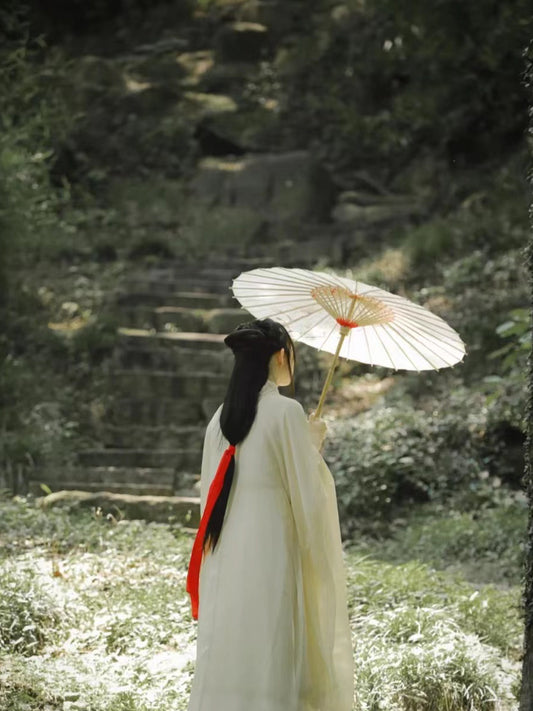
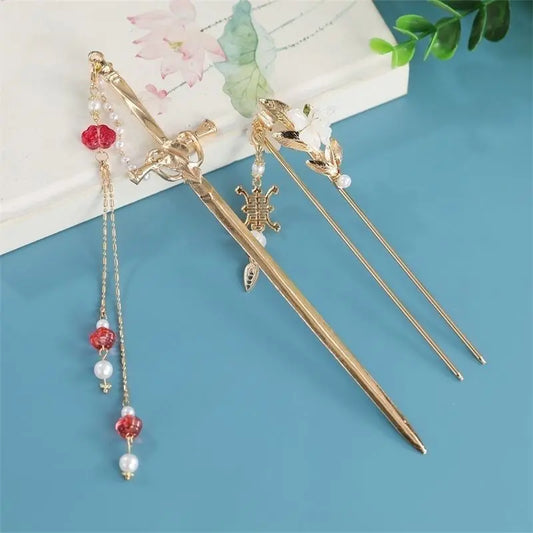
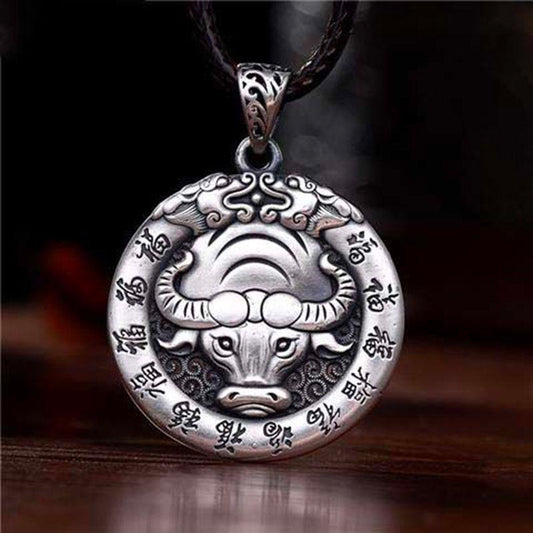
Today, ancient Chinese symbols continue to inspire modern design, fashion, branding, jewelry, and digital media. They provide a powerful visual language that bridges tradition and innovation, allowing cultural heritage to live on in contemporary forms.
Conclusion: Living Symbols of Cultural Wisdom
Ancient Chinese symbols are not relics frozen in history; they are living carriers of wisdom, beauty, and aspiration. To understand them is to engage in a dialogue with the past—one that reveals how generations of Chinese people understood the universe, human relationships, and the pursuit of harmony.
In a globalized world, these symbols remain powerful markers of cultural identity. They remind us that true tradition does not resist change—it evolves, adapts, and continues to illuminate modern life with timeless meaning.