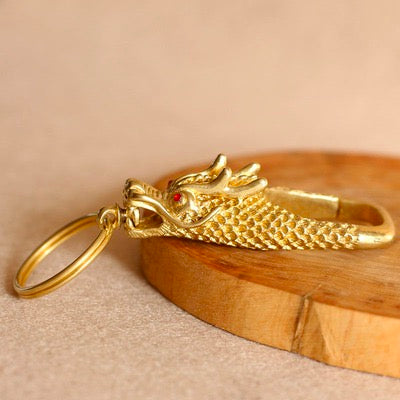
15 Powerful Wealth Charms & Their Meanings

1. The Importance of Wealth Symbols in Chinese Culture
In Chinese tradition, wealth is not merely material accumulation — it is one component of a balanced, harmonious life that also includes health, happiness, and good relationships. For thousands of years, the Chinese have used symbolic objects, colors, and characters to attract auspicious energies and repel negativity [citation:4]. These symbols appear everywhere: during Lunar New Year celebrations, in business offices, on altars, and even as decorative motifs on clothing and jewelry. The belief is that by surrounding oneself with symbols of prosperity, one cultivates the mindset and environmental conditions that welcome financial success. Feng Shui, the ancient art of spatial arrangement, provides specific guidelines for where and how to place these symbols to maximize their effectiveness [citation:8][citation:10].
2. Complete Comparison Table of Wealth Symbols
The table below summarizes the most powerful Chinese good luck symbols for money, their meanings, origins, and best placement for maximum effect.
| Symbol | Chinese Name | Meaning / Power | Origin Period | Best Placement |
|---|---|---|---|---|
| Pixiu (Pi Xiu) | 貔貅 | Wealth attraction & retention — no anus so riches never leak out [citation:8] | Han Dynasty legend | Home/office wealth corner, worn as jewelry [citation:9] |
| Money Frog (3-Legged Toad) | 金蟾 | Attracts wealth & draws money from all directions [citation:7][citation:10] | Tang Dynasty legend | Near entrance facing inward, southeast wealth area |
| Five Emperor Coins | 五帝钱 | Combined power of five prosperous Qing emperors; attracts wealth and repels negative energy [citation:1] | Qing Dynasty | Wallet, cash register, doorways, hung with red thread [citation:10] |
| Fu Lu Shou | 福禄寿 | Three deities: Fortune (福), Prosperity (禄), Longevity (寿) [citation:4] | Ming Dynasty | Living room, dining area, main hall |
| Laughing Buddha (Budai) | 笑佛 | Happiness, contentment, wealth — often shown sitting on gold ingots [citation:8] | 10th century Liang Dynasty | Living room, southeast wealth corner, business reception |
| Gold Ingot | 金元宝 | Ancient Chinese currency shape — symbolizes wealth and prosperity [citation:10] | Yuan Dynasty | Wealth corner, cash drawer, under pillow |
| Chinese Knot (Mystic Knot) | 中国结 | Endless knot — represents eternity, good fortune, and abundance [citation:10] | Tang Dynasty | Car rearview, bags, wall decor, gift wrapping [citation:4] |
| Arowana (Golden Dragon Fish) | 金龙鱼 | Symbol of wealth, success, and abundance — “golden dragon” [citation:8] | Song Dynasty onward | Aquarium, painting in wealth corner |
| Red Envelope (Hongbao) | 红包 | Money gift wrapped in red paper — transfers good luck and wealth [citation:4] | Qin Dynasty | Given during CNY, weddings, birthdays, business openings |
| Caishen (God of Wealth) | 财神 | The primary deity of wealth — brings financial blessings [citation:8] | Tang-Song transition | Home altar, business reception, facing main door |
3. The Most Powerful Wealth Symbols Explained
3.1 Pixiu (Pi Xiu) — The Wealth Guardian

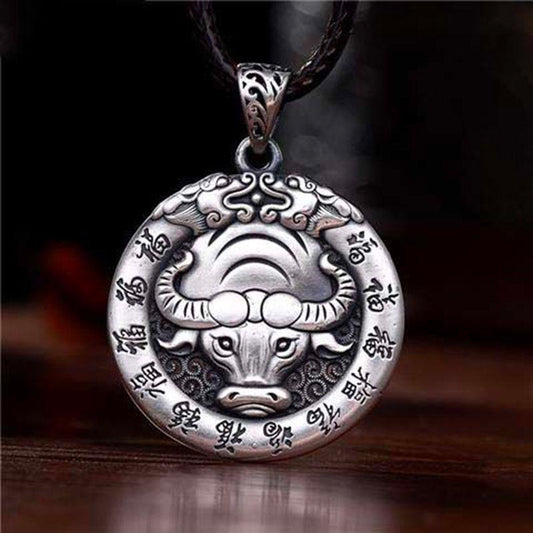
The Pixiu (貔貅) is widely considered the most powerful wealth attraction symbol in Chinese culture [citation:8]. This mythical creature is the ninth son of the Dragon and has a unique appearance: a dragon‘s head, a horse’s body, Qilin feet, and sometimes wings. Its most distinctive feature is that it has no anus, symbolizing that once it devours wealth, it can never release it — thus representing the ability to attract and retain riches indefinitely [citation:7][citation:8]. For this reason, Pixiu is especially favored by business owners, investors, and gamblers. According to Feng Shui tradition, Pixiu should be placed facing outward toward a window or door to “call in” wealth, but never directly facing a bathroom or bedroom. Many people also wear Pixui pendants or bracelets, ideally on the left wrist, to carry its wealth-attracting energy throughout the day [citation:9].
3.2 Money Frog (Three-Legged Toad) — The Prosperity Bringer

The three‑legged Money Frog (金蟾, Jin Chan) is another legendary creature believed to appear during the full moon and help attract wealth, prosperity, and good fortune [citation:10]. It is usually depicted sitting on a pile of gold ingots with a coin in its mouth — indicating that it is “spitting out” or “drawing in” money. To activate its power, place the Money Frog in the southeast wealth corner of your home or business, near the entrance, but always facing inward (toward the property) so that it brings wealth into the space rather than out [citation:8]. Avoid placing it on the floor; an elevated position on a shelf or table is best.
3.3 Five Emperor Coins — Combined Dynastic Power

The Five Emperor Coins (五帝钱) are replicas of coins minted during the reigns of five prosperous Qing Dynasty emperors: Shunzhi, Kangxi, Yongzheng, Qianlong, and Jiaqing [citation:1]. Together, they represent a period of great economic and military strength in Chinese history. These coins are round with square holes in the center — the circle representing Heaven and the square representing Earth, symbolizing the harmonious union required for prosperity [citation:4]. When tied together with red thread (as red represents luck and protection), they form a powerful Feng Shui cure to attract wealth, increase income, and ward off negative energy. Place them in your wallet, under your cash register, or hang them at your front door [citation:10].
3.4 Fu Lu Shou — The Three Star Deities

Fu Lu Shou (福禄寿) are three celestial deities representing the three most valued blessings in Chinese culture [citation:4]. Fu (福) represents good fortune, happiness, and blessings. Lu (禄) represents prosperity, status, official rank, and wealth — derived from the term for an official‘s salary in imperial China. Shou (寿) represents longevity, health, and a long life. Together, they form a complete blessing for a life of abundance, success, and well-being. They are often depicted as three elderly, smiling men — Fu holding a child or scroll, Lu holding a gold ingot or scepter, and Shou holding a peach or gourd. Displaying Fu Lu Shou figurines in the home or office invites all three blessings simultaneously [citation:10].
3.5 Laughing Buddha (Budai) — The Joyful Wealth Symbol

The Laughing Buddha (笑佛, also known as Budai or Hotei) is a beloved figure in Chinese culture associated with happiness, contentment, generosity, and wealth [citation:4]. He is based on a 10th-century Chinese monk known for his jovial nature and large sack (which he said contained all his troubles). In wealth‑attracting versions, the Laughing Buddha is often depicted sitting on or surrounded by piles of gold ingots [citation:8]. Rubbing his large belly is said to bring good luck and prosperity. Place a Laughing Buddha in the southeast wealth corner of your home or business, or at the entrance facing inward to welcome prosperity. Unlike some strict wealth symbols, he also brings a calming, joyful energy that reduces stress and creates a positive environment for success [citation:3].
3.6 (God of Wealth) — The Supreme Deity of Money

Caishen (财神), the God of Wealth, is one of the most widely worshipped deities in Chinese folk religion [citation:8]. There are several versions: the Civil God of Wealth (Bi Gan) for scholars and civil servants, and the Military God of Wealth (Zhao Gongming) for merchants and warriors. Typically, Caishen is depicted holding a gold ingot in one hand and a Ru Yi scepter (symbol of power and authority) in the other. During Lunar New Year, many families and businesses “invite” Caishen into their homes by placing his image on an altar, lighting incense, and offering oranges, tea, and sweets. His image should face the main door to welcome wealth, and the best time to invite him home is on the 5th day of the Lunar New Year.
4. Chinese Characters and Symbols for Wealth
4.1 Fu (福) — Good Fortune and Blessings

The character Fu (福) is perhaps the most ubiquitous symbol of good fortune in Chinese culture. It literally means “blessings,” “good fortune,” or “happiness.” During Lunar New Year, Fu is displayed upside down on red squares — the inversion plays on the Chinese word “upside down” (倒, dào) being a homophone for “arrival” (到, dào), thus symbolizing that fortune has arrived [citation:1]. Fu is also a popular motif on jewelry, especially for elders [citation:2].
4.2 Lu (禄) — Prosperity and Official Salary

Lu (禄) specifically represents prosperity, wealth, and official rank — derived from the salary paid to imperial officials. It is the second character in the Fu Lu Shou trio and is often depicted with a gold ingot or scepter. Lu is especially meaningful for those seeking career advancement, promotions, or business success.
4.3 Shou (寿) — Longevity and Health

While not directly a wealth symbol, Shou (寿) represents longevity and good health — essential foundations for enjoying any wealth one accumulates. The character is often stylized into a circular medallion and is a popular motif in jewelry and home decor, especially for older family members.
4.4 Xi (囍) — Double Happiness

The Double Happiness (囍) symbol is formed by two combined Xi characters and represents joy, harmony, and prosperity within marriage [citation:2]. It is the traditional symbol used in weddings — appearing on invitations, decorations, and jewelry. The underlying belief is that a happy, harmonious marriage brings stability, which in turn supports financial well-being.
5. Animal Symbols of Wealth

Several animals in Chinese culture carry strong wealth associations. The Dragon (龙) symbolizes power, authority, and good fortune — and is often combined with the Phoenix to represent marital harmony and prosperity [citation:2][citation:3]. The Goldfish (金鱼), particularly the Arowana or “golden dragon fish,” is believed to attract wealth and success; eight red fish and one black fish are considered the most auspicious combination [citation:10]. The Phoenix (凤), when paired with the dragon, brings balance, harmony, and abundance. The Peony (牡丹), known as the “king of flowers,” represents wealth, honor, and a prosperous life [citation:2].
6. Plant and Food Symbols of Wealth

Nature also provides wealth symbols in Chinese culture. Lucky Bamboo (富贵竹) is believed to bring wealth and prosperity, especially when arranged with 3, 5, or 8 stalks — numbers considered especially auspicious [citation:4][citation:10]. The Jade Plant (Crassula ovata), also called the “money plant,” has round, coin-like leaves and is thought to attract financial abundance when placed in the southeast wealth corner [citation:4]. Mandarin Oranges (橘子) are given during Lunar New Year because their golden color resembles gold and the word for orange in Mandarin (ju) sounds like “luck” [citation:1]. Rice (米), as the staple food of China, symbolizes abundance and a prosperous harvest [citation:4].
7. How to Use Wealth Symbols — Placement Tips
According to Feng Shui principles, the southeast area of any home, room, or office is the “wealth corner” — the place to position most prosperity symbols [citation:8]. However, different symbols have specific requirements. Pixiu should face outward toward a window or door to call in wealth from all directions. The Money Frog should face inward to bring wealth into the space. Five Emperor Coins can be placed in your wallet, hung on your front door, or placed under your cash register. Avoid placing wealth symbols in bathrooms, kitchens, or cluttered areas where their energy would be compromised. Finally, clean your wealth symbols regularly and maintain them with respect — dirty or broken symbols are believed to lose their efficacy [citation:8].
🏮 Looking for meaningful gifts or personal charms for prosperity? Our traditional jewelry collection features many of these auspicious wealth symbols — from Pixiu pendants to Fu Lu Shou motifs — beautifully crafted in gold, jade, and precious metals.
📌 Frequently Asked Questions (FAQ)
• Symbol Sage. (2023). “19 Powerful Chinese Symbols of Wealth and What They Mean” [citation:4].
• Feng Shui Beginner. (2021). “10 Feng Shui Symbols for Wealth Unveiled” [citation:8].
• SK Jewellery. (2024). “Understanding Auspicious Symbols In Chinese Culture” [citation:2].
• Goddess Gift. (2025). “Symbols of Fortune: What Different Spiritual Traditions Say About Luck and Wealth” [citation:1].
• LoveToKnow Feng Shui. (2021). “24 Essential Chinese Symbols and Their Meanings” [citation:10].
• FengshuiMall.com. “Pixiu, Money Frog, Dragon Tortoise, and other wealth symbols” [citation:3][citation:7].
• Royal Selangor. “Wealth Bowl Collection — Pewter Money Bowl” [citation:5].
🔗 Explore more Chinese cultural heritage at Chinese Showcase.
✨ Traditional Chinese Jewelry — Wear Your Prosperity Symbols
Many of the wealth symbols described above are beautifully rendered in traditional Chinese jewelry. From Pixiu pendants and Chinese coin necklaces to Fu Lu Shou motifs and red mystic knots, wearing these symbols allows you to carry their auspicious energy wherever you go. Explore our curated collections below.
✨ Each piece is crafted to carry the blessings of prosperity, good fortune, and lasting happiness — perfect as a meaningful gift for loved ones or a personal talisman.