1. What Is Cha (茶)? Definition and Origins

The Chinese character 茶 (chá) refers specifically to the beverage made from the leaves, buds, or twigs of the tea plant (Camellia sinensis). The word is thought to originate from the ancient Chinese word “荼 (tú),” meaning “bitter vegetable,” reflecting early medicinal use. By the Tang Dynasty (618–907 CE), the character lost one stroke to become chá, now used in all Chinese dialects. The spread of the word follows two main trade routes: the land route from northern China gave “chai” to Persian, Russian, and Hindi; the sea route from Fujian and Guangdong gave “te” (Min Nan dialect) to Dutch and English (“tea”). Tea’s origins are firmly in southwest China — Yunnan, Guizhou, and Sichuan — where wild tea trees still grow today. The earliest physical evidence of tea was discovered in the tomb of Emperor Jing of Han (d. 141 BCE) at Xi’an, where tea leaves were found. However, tea only became a widely consumed beverage during the Tang Dynasty, largely due to the influence of Lu Yu and Buddhist monasteries.
2. The Discovery of Tea: Legend of Shennong
According to Chinese mythology, tea was discovered by Emperor Shennong (神农氏, “Divine Farmer”) around 2737 BCE. Shennong, a legendary ruler and the father of Chinese herbal medicine, used to taste hundreds of herbs to test their medicinal properties, often poisoning himself. One day, while resting under a wild tea tree, leaves fell into his pot of boiling water. The resulting infusion gave him a pleasant feeling and seemed to neutralize the toxins. He thus identified tea as a medicinal detoxifier. While the story is mythical, it reflects the historical reality: tea was first consumed as a medicinal herb, not as a recreational drink. For centuries, tea leaves were boiled with ginger, scallion, orange, or spices to make a bitter medicinal decoction. Only later did pure tea drinking become popular.
3. A Timeline: Tea’s Journey Through Chinese Dynasties
The following table outlines the major developments in Chinese tea culture over five millennia.
| Period | Dates (CE/BCE) | Key Development | Cultural Significance |
|---|---|---|---|
| Legendary Shennong时期 | c. 2737 BCE (mythical) | Discovery of tea as a medicinal herb | Foundation of tea in Chinese medicine |
| Western Zhou – Warring States | 1046–221 BCE | Tea used as a medicinal vegetable and offering | Tea appears in early texts as “tu” (bitter vegetable); used in rituals |
| Han Dynasty | 206 BCE – 220 CE | First physical evidence of tea leaves (d. 141 BCE tomb); tea traded as commodity | Tea begins transition from medicine to beverage |
| Tang Dynasty | 618–907 CE | Lu Yu writes Classic of Tea (761 CE); tea drinking becomes widespread; tea cakes and powdered tea | Tea ceremony emerges among Buddhist monks; tea taxed |
| Song Dynasty | 960–1279 CE | Whisked powdered tea (matcha precursor); tea competitions; tea bowls (jianzhan) prized | Zen Buddhist tea culture flourishes; influences Japanese tea ceremony |
| Ming Dynasty | 1368–1644 CE | Emperor Hongwu bans compressed tea cakes; loose‑leaf tea and steeping become standard | Tea ware evolves: Yixing teapots, gaiwan |
| Qing Dynasty | 1644–1912 CE | Gongfu tea ceremony codified in Chaozhou; export to Europe via Canton | Tea becomes global commodity; Chinese tea culture spreads to West |
From Tang to Qing, tea evolved from a bitter medicine into the refined, artistic practice recognized worldwide today.
4. The Classic of Tea (茶经, Chájīng) by Lu Yu
The single most important figure in Chinese tea culture is Lu Yu (陆羽, 733–804 CE), an orphan of the Tang Dynasty who became a scholar and hermit. In 761 CE, he completed the Classic of Tea, the first treatise on tea in world history. Divided into three volumes and ten chapters, it covers:
- Origins — classification of tea plants and growing regions.
- Tools — 24 specialized tools for picking, processing, and brewing tea.
- Preparation — detailed instructions for making tea cakes, grinding, and boiling water (注意 water temperature and salt addition).
- Water quality — ranking of water sources (mountain spring best, river next, well water lowest).
- Tea drinking history — from Shennong to the Tang.
- Regional variations — quality rankings of tea from different provinces.
- Tea ware — description of tea bowls and their aesthetics.
Lu Yu elevated tea from a medicinal decoction to a refined, philosophical art. He was deified as the “God of Tea” (茶神) after his death, and his book remains the foundation of all subsequent tea scholarship. In Chinese tea houses, a statue of Lu Yu is often displayed.
5. Philosophy: Tea, Daoism, Buddhism, and Confucianism
Tea culture absorbed the three main Chinese philosophical traditions. Daoism (Taoism) contributed the ideal of wu wei (effortless action) — tea preparation should be natural, flowing, and without force. The simple, rustic aesthetics of tea ware (unglazed Yixing clay, natural bamboo) reflect Daoist love for the unadorned. Chan Buddhism (Zen) made tea an aid to meditation — monks drank tea to stay awake during long sittings. The Japanese tea ceremony (chanoyu) developed directly from Chinese Chan tea practices. The Confucian emphasis on respect, ritual, and hierarchy is evident in the tea ceremony’s rules: who serves tea to whom, how to hold the cup with two hands, the order of pouring. The ultimate goal of Chinese tea culture is he (harmony) — between people, with nature, and within oneself.
6. The Gongfu Tea Ceremony (工夫茶)
The most sophisticated expression of Chinese tea art is the gongfu tea ceremony (工夫茶, gōngfū chá) — literally “tea made with skill and effort.” Originating in the Chaozhou region (Guangdong) and spreading to Fujian and Taiwan, it is typically used for oolong and Pu’er teas. The ceremony uses small Yixing clay teapots, tiny thimble‑sized cups, and multiple infusions. A simplified procedure:
- Warm the ware: Boiling water is poured over teapot and cups to heat them.
- Add tea: Teapot is filled about halfway with loose tea leaves.
- Rinse leaves: First infusion is poured over the pot (not drunk) to “awaken” the leaves.
- Steep: Water (95–100°C for oolong) poured over leaves; steep time very short (10–30 sec).
- Serve: Tea is poured into a fairness pitcher, then into cups.
- Multiple infusions: The same leaves are steeped repeatedly, with slightly longer times each round. Each infusion reveals different flavor notes.
- Sniff, sip, savor: Tea is appreciated for aroma, mouthfeel, taste, and aftertaste.
Gongfu cha is not merely beverage preparation; it is a meditative, social, and aesthetic practice. It embodies the Daoist principles of mindfulness and the Confucian virtue of hospitality.
7. Six Main Types of Chinese Tea
Chinese tea is classified by degree of oxidation (fermentation) and processing method. Each type has distinct flavor, aroma, and health effects.
- Green tea (绿茶, lǜchá): Unoxidized, pan‑fired or steamed to prevent oxidation. Fresh, grassy, light. Famous: Longjing (Dragon Well), Biluochun. Highest in catechins.
- White tea (白茶, báichá): Minimally processed (withering and drying only). Light, subtle, sweet. Famous: Baihao Yinzhen (Silver Needle), Bai Mudan.
- Yellow tea (黄茶, huángchá): Rare, lightly oxidized with a unique “sealed yellowing” step. Mellow, smooth. Famous: Junshan Yinzhen.
- Oolong tea (乌龙茶, wūlóngchá): Semi‑oxidized (10–80%), complex floral, fruity, roasted notes. Famous: Tieguanyin (Iron Goddess), Da Hong Pao (Big Red Robe).
- Black tea (红茶, hóngchá): Fully oxidized — called “red tea” in China for its red liquor. Robust, malty. Famous: Keemun (Qimen Hongcha), Lapsang Souchong.
- Dark tea (黑茶, hēichá): Post‑fermented (microbial fermentation). Earthy, smooth, can be aged for decades. Famous: Pu'er (生普/熟普), Liubao.
Herbal teas (tisanes) like chrysanthemum, jasmine, and goji berry are also popular, but they are not technically cha (which requires Camellia sinensis).
8. Tea in Social and Ritual Life
Tea is the lubricant of Chinese social interaction. Offering tea to a guest is the most basic form of welcome. At weddings, the couple serves tea to parents and elders in a formal ceremony (敬茶), receiving blessings and red envelopes in return. In ancestor worship, tea is placed on the home altar alongside food offerings. In business, concluding a deal with tea symbolizes trust and friendship. Even the act of pouring tea has etiquette: the server pours with two hands, the recipient taps the table with two fingers (originally a Qing court gesture of kowtowing). Tea houses are traditional venues for socializing, playing chess, listening to storytelling (pingshu), and conducting informal meetings. No other beverage in China carries such a dense web of meaning.
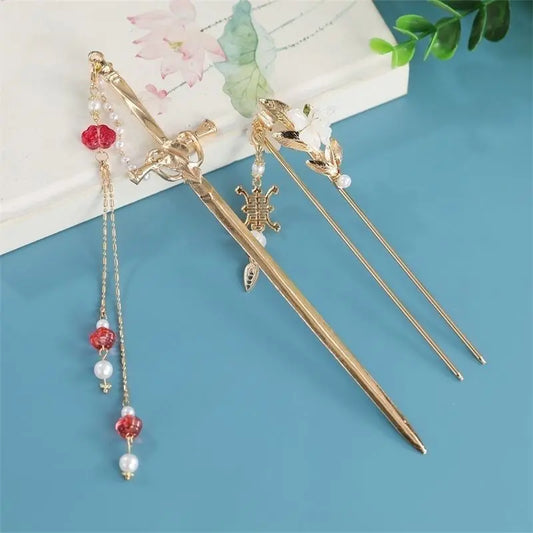
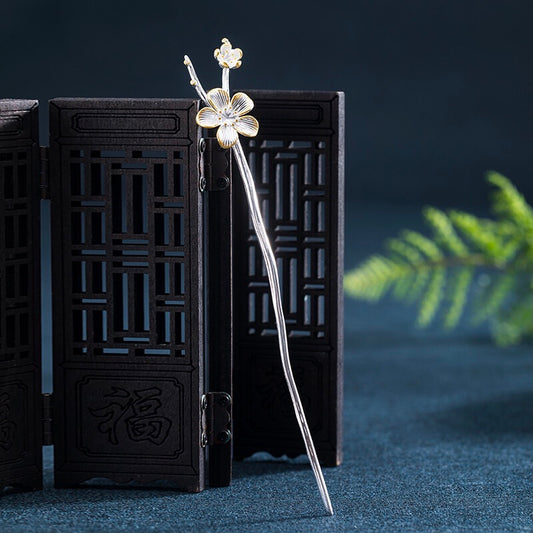
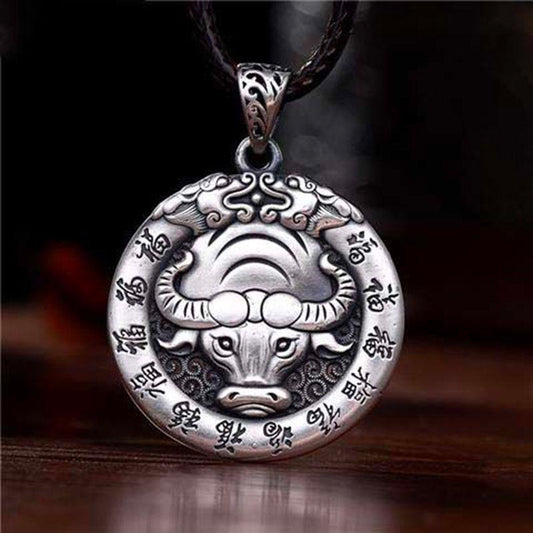
🏮 Tea and traditional Chinese jewelry share a common spirit: both celebrate natural beauty, refined craftsmanship, and the pursuit of harmony. Explore our collections — perfect companions for your tea ceremony.
📌 Frequently Asked Questions (FAQ)
• Lu Yu (translated by Francis Ross Carpenter). (1974). The Classic of Tea. Little, Brown.
• “Tea in Ancient China.” World History Encyclopedia (2017).
• “Chinese Tea Culture: History, Customs, and Ceremony.” China Educational Tours (2025).
• “Chinese Tea.” Travel China Guide (2026).
• “Chinese Tea, Tea Culture.” China Discovery (2025).
• “How Long Has Tea Been an Important Drink in China?” BBC Travel (2019).
• “Gongfu Tea Ceremony.” Teapedia.org.
• “The History of Chinese Tea.” China Highlights (2026).
🔗 Explore more Chinese cultural heritage at Chinese Showcase.
✨ Traditional Chinese Jewelry — A Harmony of Art and Nature
Like fine tea, traditional Chinese jewelry reflects a culture that values purity, patience, and beauty. Jade pendants, gold rings, silver hairpins, and pearl earrings are not merely adornments — they carry meanings of health, prosperity, and harmony. Enjoy them as you would a fine cup of tea: slowly, mindfully, and with appreciation for 5,000 years of heritage.
✨ Each piece invites you to slow down, appreciate beauty, and celebrate life — just as a cup of tea does.