Flowers serve as a beautiful expression of sentiment across cultures, but in China, their meanings are deeply rooted in thousands of years of tradition, symbolism, and language. A bouquet that conveys congratulations in one culture might signal misfortune or even insult in a Chinese context. For businesses, gift-givers, or anyone looking to connect respectfully, understanding which flowers to avoid is crucial. This guide details the flowers considered inappropriate, unlucky, or offensive in Chinese culture, explains their cultural origins, and provides safe, auspicious alternatives to ensure your gesture is always well-received.
The Importance of Flower Symbolism in Chinese Culture
Chinese flower symbolism, or Huayu (花语, "the language of flowers"), is an intricate system where colors, numbers, and even the presentation carry specific messages. This symbolism is influenced by:
- Homophones: The sound of a flower's name in Mandarin can sound like another word, creating powerful—and sometimes negative—associations.
- Historical & Literary References: Flowers are immortalized in classical poetry and art, cementing their meanings.
- Color Psychology: Colors like red and gold are auspicious, while white and black are often linked to mourning.
- Occasion-Specific Rules: Flowers suitable for a funeral are completely taboo for a celebration, and vice versa.
Gifting the wrong flower isn't just a minor mistake; it can be seen as culturally insensitive, bringing negative energy, or wishing misfortune upon the recipient. Avoiding these pitfalls is key to showing respect and cultural awareness.
The Major Taboo: Funeral Flowers
The most critical rule is to avoid giving flowers primarily associated with death and mourning in joyful contexts. Using these for birthdays, weddings, or business openings is a severe faux pas.
1. Chrysanthemums (菊花, Júhuā)
Why to Avoid: Chrysanthemums are the quintessential funeral flower in China. They are placed on graves and used in memorial ceremonies to honor the deceased, symbolizing lamentation and the wish for the soul's peaceful passage. Their association is so strong that gifting them, especially white or yellow ones, outside of a somber context is deeply inappropriate and can be interpreted as wishing death upon someone.
Exception: In some modern artistic contexts, they may symbolize longevity and nobility, but never risk them as a gift.
2. White Lilies (白色百合, Báisè Bǎihé)
Why to Avoid: While lilies can symbolize purity and motherhood, their prominent use in funerals to signify the restored innocence of the soul of the deceased has made them, particularly white lilies, a flower of mourning. They are common at Chinese funerals and memorials.
Guidance: White lilies should be strictly avoided for celebratory gifts. Other colors like pink or orange may be slightly less problematic but are still viewed with caution by traditional recipients.
3. All-White Bouquets or Wreaths
Why to Avoid: White is the color of mourning and death in traditional Chinese culture. An arrangement composed entirely of white flowers is unmistakably linked to funerals and profound loss. Gifting an all-white bouquet for any happy occasion is one of the worst mistakes you can make.
Guidance: If using white flowers, always combine them generously with vibrant, auspicious colors like red, pink, gold, or purple.

Flowers with Negative Symbolism or Unfortunate Homophones
Beyond funeral flowers, some blooms carry inauspicious meanings due to their names or historical connotations.
1. Red Carnations (红色康乃馨, Hóngsè Kāngnǎixīn)
Why to Avoid: While carnations are popular for Mother's Day in the West, in some Chinese contexts, they can symbolize disappointment and rejection. More importantly, they are sometimes associated with protests or dissent, making them a politically sensitive choice.
Safe Alternative: For mothers or elders, peonies or orchids are a far more respectful and celebrated choice.
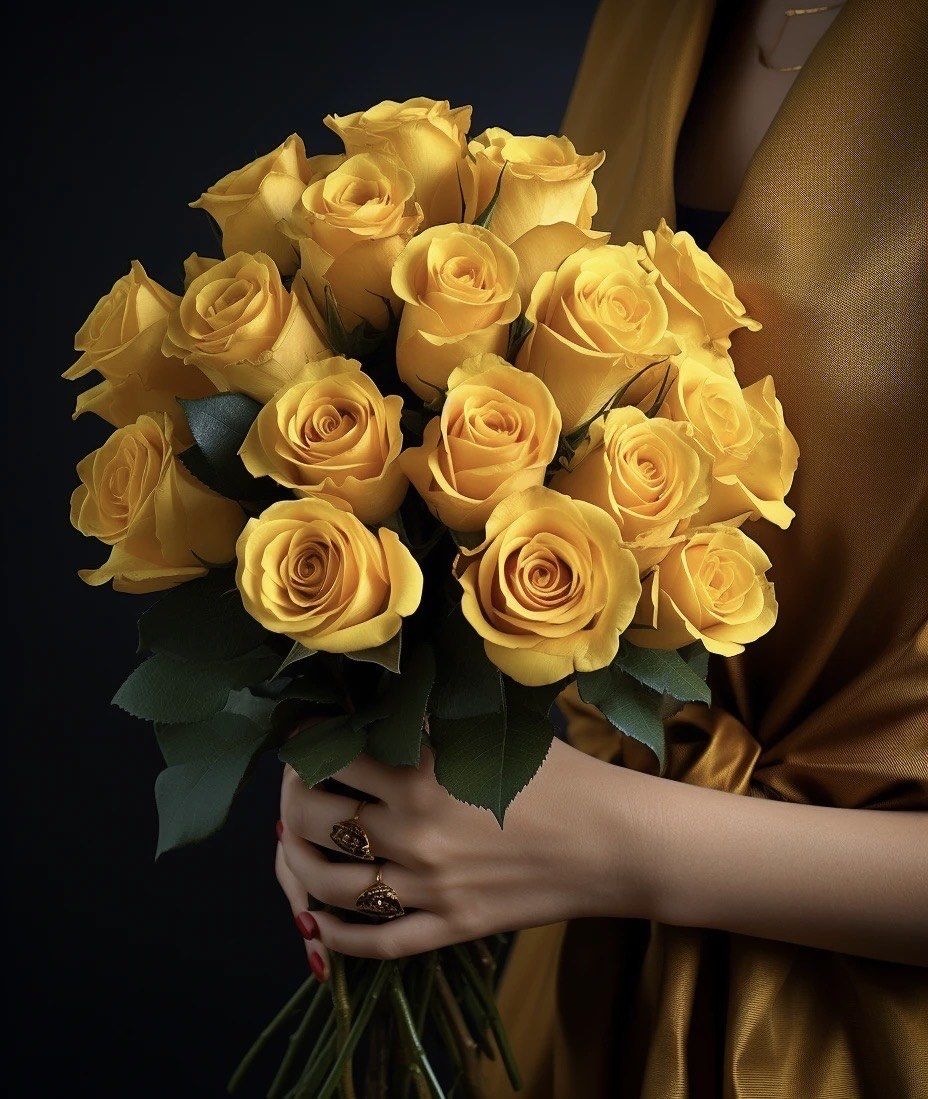
2. Yellow Roses (黄玫瑰, Huáng Méigui)
Why to Avoid: In the Western "language of flowers," yellow roses can signify friendship. However, in Chinese flower symbolism, they carry a strong connotation of apology, jealousy, or the end of a relationship. Gifting them to a romantic partner or in a business context can send a disastrously wrong message.
Guidance: For romance, choose red roses. For friendship, consider sunflowers or irises.
3. Azaleas (杜鹃花, Dùjuānhuā)
Why to Avoid: The Chinese name for azalea is homophonous with "I am homesick" (思乡, sīxiāng), which can evoke feelings of melancholy. Historically, it has also been linked to a tragic folk tale. In some interpretations, it symbolizes captivity or being "potted," unable to achieve ambitions.
Guidance: Generally best avoided as a gift, especially for someone starting a new venture or celebrating an achievement.
4. Gladioli (剑兰, Jiànlán)
Why to Avoid: The Chinese name literally means "sword orchid," and its sword-like shape is associated with violence and conflict. Giving gladioli can imply that the relationship is strained or confrontational.
5. Flowers with "Four" in a Bouquet
Why to Avoid: The number four (四, sì) sounds like the word for death (死, sǐ) in Mandarin. Presenting four flowers, or a bouquet heavily featuring the number four, is considered extremely unlucky.
Guidance: Always gift flowers in auspicious numbers, such as eight (for wealth), nine (for longevity), or six (for smooth progress).

Presentation and Other Practical Pitfalls
- Potted Plants as Gifts: While not always taboo, giving a potted plant can symbolically suggest that the recipient's growth or illness is "rooted" and won't improve. It's often avoided for hospital visits. Cut flowers are generally a safer choice.
- Withered or Dying Flowers: This is universally negative. Always ensure flowers are fresh and vibrant, as giving wilting flowers symbolizes decay and decline.
- Thorns: Roses with thorns not removed can symbolize a relationship with "thorns" or difficulties. For a polished gift, choose roses that have had their thorns carefully removed.
Quick Reference: Flowers to Avoid in China
• Chrysanthemums: Funeral flower, symbol of death.
• White Lilies: Strong funeral association.
• All-White Bouquets: Color of mourning.
• Yellow Roses: Apology, jealousy, breakup.
• Red Carnations: Potential political sensitivity.
• Azaleas: Homesickness, melancholy.
• Gladioli: Symbol of conflict.
• Bouquets of Four: Number sounds like "death."
Auspicious Alternatives: Safe and Celebrated Flowers
When in doubt, choose from these universally loved and lucky flowers:
- Peonies (牡丹, Mǔdān): The "King of Flowers," symbolizing wealth, honor, prosperity, and romance. The ultimate choice for weddings, business success, and celebrations.
- Orchids (兰花, Lánhuā): Represent refinement, integrity, friendship, and luxury. A sophisticated gift for business partners or respected elders.
- Lotus (荷花, Héhuā): Symbolizes purity, rebirth, and spiritual elevation. It is positive but can have Buddhist connotations; very appropriate for spiritual occasions or artistic appreciation.
- Bamboo (竹, Zhú): Represents resilience, strength, and uprightness. Often given as a lucky plant (like Lucky Bamboo) for new businesses or homes.
- Sunflowers (向日葵, Xiàngrìkuí): Symbolize vitality, positivity, and loyalty. A bright, happy gift for friends or to wish someone good luck.
- Red or Pink Roses (红/粉玫瑰): Red roses signify passionate love, while pink roses convey affection and gratitude. Ensure thorns are removed.
- Narcissus (水仙, Shuǐxiān): Blooming around Chinese New Year, they symbolize good fortune and prosperity for the year ahead.

Conclusion: Gift with Knowledge and Respect
Navigating the intricate "language of flowers" in China is an act of cultural respect. By avoiding the taboo flowers listed above—primarily chrysanthemums, white lilies, and yellow roses—you steer clear of unintended negative messages. Instead, opt for the celebratory and deeply symbolic blooms like peonies, orchids, and lotuses, presented in auspicious numbers and vibrant colors.
For businesses, this knowledge is invaluable for product descriptions, gift guides, and customer consultations, ensuring your offerings are both culturally sensitive and desirable. Ultimately, taking the time to choose the right flower demonstrates thoughtfulness, builds trust, and transforms a simple bouquet into a powerful and positive gesture of connection.