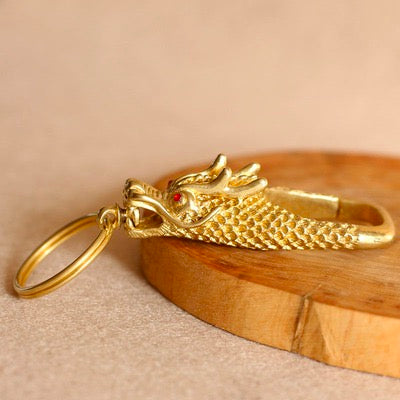
The turtle, known as “龟” (Guī) in Chinese, is one of the most revered animals in Chinese culture, symbolizing longevity, wisdom, stability, and protection. Its cultural significance spans thousands of years, from ancient myths to Feng Shui practices, making it a powerful emblem in Chinese spiritual and everyday life.

Symbolism of the Turtle in Chinese Culture
In traditional Chinese philosophy, the turtle represents the combination of heaven and earth. Its shell, with its intricate patterns, symbolizes the universe, while its body signifies stability and grounding. The turtle is often associated with the five elements (Wu Xing) and is believed to bring balance, protection, and long life to its owner.
- Longevity: The turtle is a symbol of long life and endurance due to its slow yet steady movements and long lifespan.
- Wisdom: The turtle is considered a wise creature, representing knowledge accumulated over time.
- Protection: Turtles are seen as protectors against negative energy, safeguarding homes and personal well-being.
- Stability: The grounded nature of the turtle makes it a symbol of strength and reliability in both personal and professional life.
Historical and Mythological Significance
The turtle appears frequently in Chinese mythology and history. According to legend, the ancient Chinese created the Heavenly Map (河图) and Earthly Plan (洛书) using patterns from a divine turtle. These sacred designs are still influential in Feng Shui and Taoist rituals today.
In Chinese mythology, the Black Tortoise, also known as Xuanwu (玄武), is one of the Four Symbols representing the north and winter season. It is often depicted entwined with a snake, symbolizing protection, endurance, and hidden wisdom.
Turtle in Feng Shui Practices
In Feng Shui, the turtle is considered a guardian symbol. Placing turtle figurines or charms in homes or offices is believed to enhance:
- Health: Promotes vitality and well-being.
- Wealth: Attracts financial stability and prosperity.
- Protection: Shields against negative energies and misfortune.
- Career Success: Offers stability and support in professional endeavors.
Modern Applications: Turtle Bracelets and Jewelry
Today, the turtle motif is widely used in jewelry and accessories. Wearing a turtle bracelet not only serves as a stylish statement but also carries powerful cultural and spiritual meanings. One exquisite example is the Rich Jia Tian Xia Pure Silver Handmade Cicadas Coin Turtle Shell Retro Ancient Magic Bead Multi-Layer Bracelet.
This multi-layer bracelet incorporates the turtle shell symbol with traditional Chinese cicada and coin designs. Crafted from pure silver, it represents:
- Protection: The turtle shell provides shielding energy against negative influences.
- Longevity: Encourages long life and sustained health.
- Wealth: Coins and magical beads enhance prosperity and abundance.
- Wisdom: Cicadas symbolize renewal and spiritual awakening, complementing the turtle’s wisdom.

Turtle as a Cultural Amulet
Many people wear turtle-themed jewelry or keep turtle figurines at home to tap into its auspicious energy. According to Chinese beliefs:
- Turtles attract good luck and fortune.
- They help maintain harmony and balance in personal and professional life.
- Turtles symbolize perseverance, teaching patience and careful planning.
- They encourage spiritual growth and longevity.
Conclusion
In Chinese culture, the turtle is much more than a simple animal—it is a profound symbol of longevity, wisdom, protection, and stability. From ancient mythology to modern jewelry, its cultural and spiritual significance continues to resonate in everyday life. Owning turtle-inspired items like the Rich Jia Tian Xia Pure Silver Handmade Turtle Shell Bracelet allows individuals to carry these powerful energies with them, promoting balance, prosperity, and spiritual growth.