1. What Exactly Are the 24 Solar Terms?
The 24 Solar Terms are the backbone of the traditional Chinese lunisolar calendar. Unlike the monthly lunar phases used to mark the passage of months, the solar terms track the position of the sun along the ecliptic — the apparent path of the sun across the celestial sphere as seen from Earth. The ancient Chinese divided the sun's annual 360° journey into 24 equal segments of 15° each, assigning a name and agricultural meaning to each segment. This ingenious system integrates astronomy, geography, climate science, and farming practice, achieving what traditional Chinese philosophy calls a “harmonious unity between heaven, earth, people, and nature”. Each solar term lasts approximately 15 days, and there are two terms per month — one “Jie Qi” (节气, solar term) and one “Zhong Qi” (中气, mid-term). Collectively, they are referred to as “Jie Qi.” The first solar term is Beginning of Spring (立春, Lìchūn), and the 24th is Major Cold (大寒, Dàhán), after which the cycle starts again.

2. A Brief History: From Yellow River Basin to UNESCO Recognition
The origins of the 24 Solar Terms can be traced back more than 2,000 years. Early references appear in the “Book of Documents” (Shangshu Yaodian), which described the two equinoxes and two solstices. The first complete documentation of all 24 terms, however, is found in the “Huainanzi”, an essay collection from the Western Han Dynasty (206 BCE – 25 CE), demonstrating that the system was fully established by the early Han period. During the Qin Dynasty (221–207 BCE), farmers already used the solar terms to plan their agricultural activities. Under Emperor Wu of the Han Dynasty (156–87 BCE), the 24 Solar Terms were officially incorporated into the Taichu Calendar (太初历), ensuring their nationwide application. The ancient Chinese derived these terms by observing changes in seasons, astronomy, temperature, precipitation, and local natural phenomena — all without modern instruments. The Dengfeng Astronomical Observatory in Henan Province, built under the direction of the renowned Yuan Dynasty astronomer Guo Shoujing (1231–1316), houses a 700-year-old “Sky Measuring Scale” (量天尺) that accurately identified the solar terms by measuring the shadow cast by the sun at noon. Even earlier, the Taosi Relics site in Shanxi Province (c. 2300–1900 BCE) has revealed a rammed-earth observatory that aligns sunlight with specific gaps on solstices and equinoxes — tangible evidence that the solar terms’ foundational principles are over 4,000 years old. Today, the 24 Solar Terms have been integrated into the Gregorian calendar, appearing alongside conventional dates. In 2006, they were listed as a national-level intangible cultural heritage in China. On November 30, 2016, UNESCO inscribed them on the Representative List of the Intangible Cultural Heritage of Humanity as “The Twenty-Four Solar Terms, knowledge in China of time and practices developed through observation of the sun’s annual motion”.
3. The Complete List of 24 Solar Terms (Names, Dates, and Meanings)
The table below presents all 24 terms in chronological order from spring to winter, with their Chinese names, approximate Gregorian calendar dates, and core meanings. (Dates vary slightly year to year; ranges below are approximate.)
| # | Solar Term (English) | Chinese | Typical Dates | Astronomical Meaning / Key Features |
|---|---|---|---|---|
| 1 | Beginning of Spring | 立春 Lìchūn | Feb 3–5 | Marks the start of spring; days grow longer, temperatures begin to rise. |
| 2 | Rain Water | 雨水 Yǔshuǐ | Feb 18–20 | Rainfall increases as snow thaws and rivers rise. |
| 3 | Awakening of Insects | 惊蛰 Jīngzhé | Mar 5–7 | Spring thunder awakens hibernating insects; truly the start of spring agricultural activity. |
| 4 | Vernal (Spring) Equinox | 春分 Chūnfēn | Mar 20–22 | Day and night are equal in length; the sun crosses the celestial equator northward. |
| 5 | Clear and Bright (Tomb-Sweeping Day) | 清明 Qīngmíng | Apr 4–6 | Warm, bright weather arrives; families sweep ancestors’ tombs, honoring the dead. |
| 6 | Grain Rain | 谷雨 Gǔyǔ | Apr 19–21 | Early crops show shoots; rain helps grains grow. |
| 7 | Beginning of Summer | 立夏 Lìxià | May 5–7 | Start of summer in southern China; temperatures rise steadily. |
| 8 | Grain Full (Grain Budding) | 小满 Xiǎomǎn | May 20–22 | Summer crop seeds begin to plump but are not yet ripe. |
| 9 | Grain in Ear | 芒种 Mángzhòng | Jun 5–7 | Wheat ripens; summer planting begins in southern China. |
| 10 | Summer Solstice | 夏至 Xiàzhì | Jun 21–22 | Longest day and shortest night of the year. |
| 11 | Minor Heat | 小暑 Xiǎoshǔ | Jul 6–8 | Beginning of the hottest period, though “minor” heat. |
| 12 | Major Heat | 大暑 Dàshǔ | Jul 22–24 | Peak of summer heat, greatest rainfall and thunderstorms in many parts of China. |
| 13 | Beginning of Autumn | 立秋 Lìqiū | Aug 6–8 | Indicates the approach of autumn; harvest season begins. |
| 14 | End of Heat (Limit of Heat) | 处暑 Chùshǔ | Aug 22–24 | The hot summer days end; temperatures gradually fall. |
| 15 | White Dew | 白露 Báilù | Sep 7–8 | Temperature drops sharply; dew forms as mornings become cooler. |
| 16 | Autumnal Equinox | 秋分 Qiūfēn | Sep 22–24 | Day and night equal again; the midpoint of autumn. |
| 17 | Cold Dew | 寒露 Hánlù | Oct 7–9 | Cold enough to reach dew point, but not yet frost. |
| 18 | Frost Descent | 霜降 Shuāngjiàng | Oct 23–24 | Frost begins to form (especially in North China); final harvest period. |
| 19 | Beginning of Winter | 立冬 Lìdōng | Nov 6–8 | True of northern China; winter sets in, and people stockpile supplies. |
| 20 | Minor Snow | 小雪 Xiǎoxuě | Nov 21–23 | Snow begins to fall; weather turns cold. |
| 21 | Major Snow | 大雪 Dàxuě | Dec 6–8 | Heavy snowfall for the first time in the year (in northern regions). |
| 22 | Winter Solstice | 冬至 Dōngzhì | Dec 21–23 | Shortest day and longest night; marks the depth of winter. |
| 23 | Minor Cold | 小寒 Xiǎohán | Jan 5–7 | The onset of the coldest period, though “minor” cold. |
| 24 | Major Cold | 大寒 Dàhán | Jan 20–21 | The last solar term; coldest days of the year, after which a new cycle begins. |
4. The Science Behind the 24 Solar Terms: The Sun’s 15° Segments
Astronomically, the 24 Solar Terms are defined by the sun’s ecliptic longitude. The Vernal Equinox (春分) is set at 0° celestial longitude. As the sun moves along the ecliptic, every 15° increment marks a new solar term. Thus, the complete 360° cycle yields exactly 24 terms. This precise astronomical foundation ensures that the terms remain accurate across centuries, regardless of lunar-phase variations. In fact, international meteorological organizations have long recognized the scientific accuracy of the solar terms. The terms not only indicate temperature changes, rainfall, and phenological events such as bird migration, flowering, and insect awakening, but they also anticipate extreme weather — for example, the “Autumn Tiger” (秋老虎), an Indian summer-like heat wave that can occur after the Beginning of Autumn, lasting up to 30 days. The system also divides the year into four seasons of exactly three months, with “Beginning of” terms (立春, 立夏, 立秋, 立冬) marking the seasonal transitions. This structure gave rise to the classic Chinese agricultural mantra: “birth in spring, growth in summer, harvest in autumn, and storage in winter” (春生、夏长、秋收、冬藏).
5. Farming Practices and Proverbs: Guiding Thousands of Years of Agriculture
For millennia, the primary purpose of the solar terms was to direct agricultural activities. Farmers determined when to plow, sow, irrigate, weed, and harvest based on the approach of each term. In northern China, around Frost Descent (霜降), farmers rush to harvest late-season rice and sweet potatoes before frost damages the crops. On Major Snow (大雪), farmers in the Yellow River basin may even irrigate winter wheat, using the snow cover as natural insulation. The solar terms are also embedded in hundreds of local proverbs. A well-known saying related to Rain Water (雨水) goes: “Rain during spring time is as precious as oil” (春雨贵如油), emphasizing the critical importance of spring rainfall. Another proverb ties to the Beginning of Autumn: “If it rains on the day of the Start of Autumn, a good harvest is expected”. These sayings, transmitted orally through generations, are part of the intangible heritage that UNESCO recognized.
6. Traditional Foods and Customs: Eating According to the Seasons
Perhaps the most delightful aspect of the solar terms is the rich culinary traditions associated with each period. Chinese people have long believed that eating seasonally — consuming fruits, vegetables, and meats when they are at their peak — promotes health and harmony. Below are some iconic food customs tied to specific terms:
- Beginning of Spring (立春): People eat Spring Rolls (春卷) — thin dough sheets rolled with seasonal vegetables and fried, symbolizing the rolling up of the past winter and the freshness of spring.
- Awakening of Insects (惊蛰): In Beijing, “Rolling Donkey” (驴打滚) — glutinous rice cake with sweet red bean filling, coated in soybean flour — is eaten to ward off insects awakened by spring thunder.
- Qingming (Clear and Bright, 清明): Families sweep tombs and offer food to ancestors; cold dishes and green rice balls (qingtuan) are traditional. In some areas, eating spring vegetables is also common.
- Beginning of Summer (立夏): People weigh themselves and eat “three kinds of fresh food”: cherries, green plums, and wheat, to welcome summer.
- Summer Solstice (夏至): Cold noodles (过水面) are traditionally eaten, cooling the body during the hottest weeks.
- Beginning of Autumn (立秋): The custom of “fleshing out in autumn” (贴秋膘) emerges: people weigh themselves and eat meat dishes to regain weight lost over summer. In Hangzhou, people eat peaches and keep the stones until New Year’s Eve to ward off plagues; in Shandong, families make dumplings and call it “Eating the Autumn”.
- White Dew (白露): In some regions, people collect morning dew from white-flowering plants and use it to brew tea or wine, believing it brings health.
- Winter Solstice (冬至): Perhaps the most famous food custom: eating dumplings (饺子) in the north and glutinous rice balls (tangyuan, 汤圆) in the south symbolizes family reunion and warding off the cold. Cold weather after the solstice prompts the “Counting Nine” custom (数九), where people count nine sets of nine days until spring arrives.
- Minor Cold (小寒) and Major Cold (大寒): In Beijing, people eat “dispelling cold cakes” (消寒糕) made of glutinous rice, which contain more sugar than standard rice, helping the body fight winter chill.
7. Festivals and Rituals Rooted in the Solar Terms
Several major Chinese festivals derive directly from solar terms. The best-known is the Qingming Festival (Tomb-Sweeping Day), which coincides with the 5th solar term, Clear and Bright. During Qingming, families visit cemeteries, clean graves, offer food and incense, and honor their ancestors — a ritual that has been observed for more than 2,500 years. The Winter Solstice (Dongzhi) is another significant festival, where people reunite with family and eat festive foods as a celebration of the returning yang energy. In addition, some ethnic minority groups have festivals tied to specific terms: the First Frost Festival of the Zhuang people and the Ritual for the Beginning of Spring in Jiuhua are two examples noted by UNESCO. Folk performances such as “Beating the Spring Cow” (打春牛) — a ritual to encourage spring plowing — are still held in Henan Province to welcome the Beginning of Spring.
8. Global Influence and Cultural Legacy
Because China’s lunisolar calendar, including the solar terms, spread across East Asia for centuries, neighboring countries such as Korea, Japan, and Vietnam adopted many of the terms and adjusted them to their local climates. In Japan, for example, the term “Shunbun” (Spring Equinox) remains a national holiday. Since the 2016 UNESCO inscription, international interest in the solar terms has grown steadily. The Beijing Winter Olympics opening ceremony (2022) featured a countdown using the 24 Solar Terms, bringing them to a global audience of hundreds of millions. The system is more than a farmer’s calendar; it is a philosophy of time that applies to everything — from poetry and literature to traditional medicine, calligraphy, and even modern digital apps that send term-specific health advice. As China’s Ministry of Culture official Zhang Ling observed, “Their legacy reflects the Chinese people’s respect for nature and tradition, their unique understanding of the universe, their wisdom to live in harmony with nature, and the world’s cultural diversity”.
🏮 The 24 Solar Terms remind us to live in harmony with nature’s rhythms. Explore the timeless elegance of traditional Chinese jewelry — each piece, like the solar terms, carries a story of ancient wisdom and seasonal beauty.
📌 Frequently Asked Questions (FAQ)
• UNESCO (2016). “The Twenty-Four Solar Terms, knowledge in China of time and practices developed through observation of the sun’s annual motion” — Representative List of the Intangible Cultural Heritage of Humanity.
• “Decision of the Intergovernmental Committee: 11.COM 10.B.6” — UNESCO official documentation.
• China.org.cn (2024). “Twenty-Four Solar Terms” — Key cultural terms explanation.
• China Highlights (2026). “The 24 Solar Terms of the Traditional Chinese Calendar”.
• Chinese Embassy in Cyprus (2025). “The wisdom of dividing time and living with nature”.
• China Educational Tours — “Most Recommended Dishes for the 24 Solar Terms”.
• City News Service (2025). “Legacy of ancient wisdom in 24 solar terms — In Focus Yunnan”.
• China Daily (2024). “24 Solar Terms: 9 things about Start of Autumn”.
• Xinhua News (2016). “UNESCO inscribes China’s ‘24 Solar Terms’ on Intangible Cultural Heritage list”.
• Beijing Winter Olympics Opening Ceremony (2022) — solar terms countdown sequence.
🔗 Discover more Chinese cultural heritage at Chinese Showcase.
✨ Traditional Chinese Jewelry – Timeless Elegance for Every Season
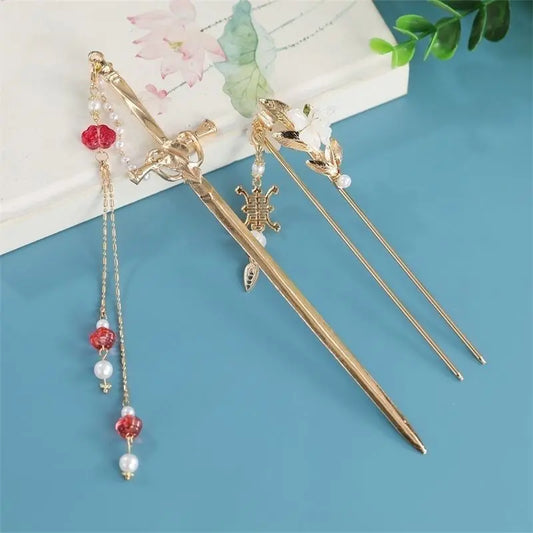
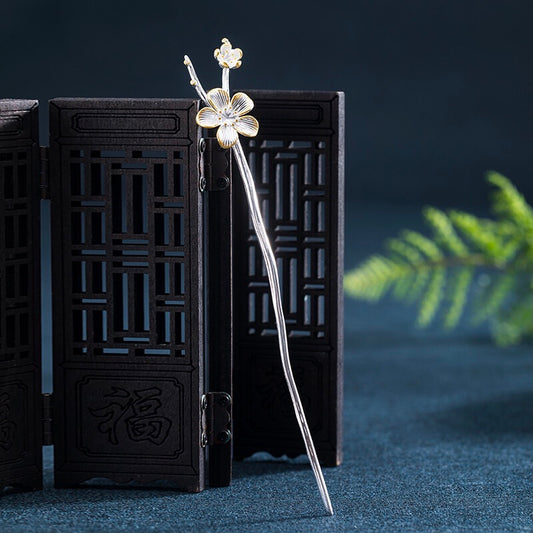
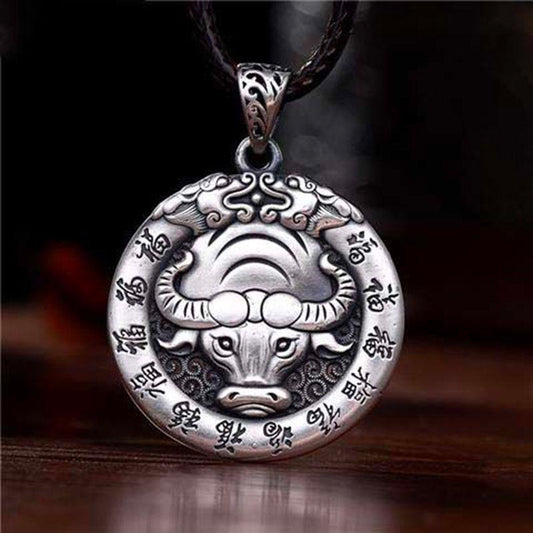
The 24 Solar Terms celebrate the rhythm of the natural world, and traditional Chinese jewelry embodies the same reverence for nature, harmony, and beauty. From jade pendants that symbolize virtue to intricately carved hairpins that echo the blossoms of spring, each piece reflects the artistic legacy of ancient China. Explore our curated collections:
✨ Each piece celebrates the harmony between humanity and nature — just like the wisdom of the 24 Solar Terms.