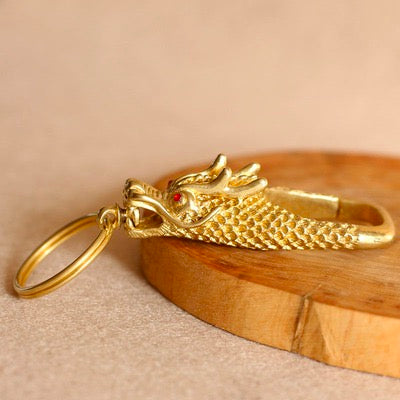
Complete Guide to Major Celebrations & Cultural Traditions
1. The Chinese Calendar and Festival System

China’s traditional festivals follow a lunisolar calendar, in which months begin on new moons and the year is occasionally adjusted with an extra “leap month” to stay aligned with the solar seasons. Unlike the Gregorian calendar, the dates of these holidays vary each year — typically falling within a 4‑week window. For example, Lunar New Year occurs between January 21 and February 20. The festivals are classified into three main categories: seasonal agricultural festivals (e.g., Qingming), mythological/historical commemorations (e.g., Dragon Boat Festival), and philosophical/religious celebrations (e.g., the birthday of the Goddess of Mercy). Major festivals have been celebrated for over 2,000 years and are recognized as part of China’s intangible cultural heritage. In addition to the seven national statutory holidays, countless local temple fairs and ethnic minority festivals enrich the calendar.
2. Comparison Table of Major Traditional Chinese Festivals
The table below summarizes the most important traditional holidays, their lunar dates, Gregorian window, origins, and key customs.
| Festival | Chinese Name | Lunar Date | Gregorian Window | Main Customs & Foods | Origin / Meaning |
|---|---|---|---|---|---|
| Lunar New Year (Spring Festival) | 春节 (Chūnjié) | 1st day, 1st month | Jan 21 – Feb 20 | Family reunion dinner, red envelopes (hóngbāo), fireworks, dumplings (north), niangao (south), new clothes | Marks start of spring and new lunar year; legend of monster Nian; oldest and most important festival |
| Lantern Festival | 元宵节 (Yuánxiāojié) | 15th day, 1st month | Feb 5 – Mar 8 | Tangyuan (sweet rice balls), lantern displays, riddle guessing, lion dances | Ends Lunar New Year celebrations; associates with Daoist Tianguan (heavenly official) who brings good fortune |
|
Qingming Festival (Tomb-Sweeping Day) |
清明节 (Qīngmíngjié) | 15th day after Spring Equinox | Apr 4 or 5 (fixed solar term) | Tomb sweeping, offering food/incense to ancestors, flying kites, eating qingtuan (green rice balls) | Honoring ancestors; Confucian filial piety; also celebrating spring's arrival |
| Dragon Boat Festival | 端午节 (Duānwǔjié) | 5th day, 5th month | May 28 – Jun 25 | Dragon boat racing, eating zongzi (sticky rice dumplings), wearing perfumed sachets, drinking realgar wine | Commemorates poet Qu Yuan (c. 278 BCE); warding off evil spirits and disease |
|
Mid-Autumn Festival (Moon Festival) |
中秋节 (Zhōngqiūjié) | 15th day, 8th month | Sep 7 – Oct 8 | Eating mooncakes, appreciating the full moon, family reunions, lanterns | Harvest festival; legends of Chang'e (moon goddess) and the Jade Rabbit |
|
Double Ninth Festival (Elders' Day) |
重阳节 (Chóngyángjié) | 9th day, 9th month | Oct 2 – Oct 30 | Climbing mountains, drinking chrysanthemum wine, eating chongyang cake, honoring seniors | Folk belief that climbing prevents misfortune; respecting elders (official Senior Citizens' Day) |
Regional and ethnic minority festivals (e.g., Water Splashing Festival of the Dai people, Torch Festival of the Yi) add further diversity, but the six festivals above are observed throughout most of China and Chinese diaspora communities.
3. Lunar New Year (Spring Festival) — The Grandest Celebration
Lunar New Year, also known as Spring Festival (春节), is the most important holiday in Chinese culture. The celebration lasts 15 days, culminating in the Lantern Festival. Preparations begin weeks ahead: homes are thoroughly cleaned to sweep away bad luck, doors are decorated with red couplets (chunlian), and families stockpile food for reunion dinners. On New Year‘s Eve, families gather for a lavish dinner (年夜饭, nián yè fàn), featuring symbolic dishes: fish (surplus), dumplings (wealth), spring rolls (prosperity), and niangao (higher income/position). After dinner, children receive red envelopes (红包, hóngbāo) containing money — the color red wards off evil spirits. Firecrackers and fireworks are set off at midnight to scare away the mythical monster Nian. The following days are spent visiting relatives, exchanging gifts, and enjoying public performances (lion dances, dragon dances). The 15th day — Lantern Festival — formally ends the season with glowing lanterns and sweet rice balls (tangyuan). Because it follows the lunar calendar, the associated zodiac animal changes each year (Rat, Ox, Tiger, Rabbit, Dragon, Snake, Horse, Goat, Monkey, Rooster, Dog, Pig).
4. Qingming Festival — Honoring Ancestors
Qingming (Clear and Bright) is both a solar term (the 5th of 24) and a festival. It falls on April 4 or 5 each year, when the weather warms and nature turns green. Families visit the graves of ancestors to clean tombstones, remove weeds, offer food (chicken, fruit, pastries), burn incense and paper money (spirit money), and bow in respect. The tradition reflects the Confucian virtue of filial piety — maintaining bonds with ancestors even after death. Unlike the solemnity of funerals, Qingming has a mixed mood: after tending graves, families often picnic nearby, fly kites (which symbolically carry away bad luck), and enjoy spring outings. Qingtuan (green glutinous rice balls filled with red bean paste) are the seasonal specialty. In 2008, Qingming became a national public holiday in China.
5. Dragon Boat Festival — Qu Yuan and the Dumplings
The Dragon Boat Festival (Duanwu) commemorates Qu Yuan (屈原, c. 340–278 BCE), a patriotic minister of the Chu state. When the Chu capital fell to the Qin state, Qu Yuan wrote the poem “Huaisha” (Embracing Sand) and drowned himself in the Miluo River. The local people, who admired him, raced out in boats to save him, beating drums and splashing paddles to deter fish and evil spirits. They also threw packets of sticky rice (zongzi) into the river to keep the fish from consuming his body. This legend gave rise to dragon boat racing and zongzi eating. Zongzi are glutinous rice wrapped in bamboo or reed leaves, with fillings such as pork, salted egg yolk, red dates, or beans. The festival also involves wearing perfumed sachets (to ward off disease), drinking realgar wine, and hanging calamus or mugwort leaves on doors for protection. Dragon boat races are now an international sport, but the festival remains a day to remember Qu Yuan‘s integrity and loyalty.
6. Mid-Autumn Festival — Mooncakes and Family Reunion
Mid-Autumn Festival (Zhongqiu) celebrates the harvest and the fullest, brightest moon of the year. It is second only to Lunar New Year in importance. Families gather to admire the moon, eat mooncakes (yuèbǐng), and tell legends — especially the story of Chang’e, the moon goddess who drank an elixir of immortality and floated to the moon, where she lives with the Jade Rabbit pounding medicine. Mooncakes are round, symbolizing completeness and reunion. They have a rich, dense filling (lotus seed paste, red bean, five kernel) and often a salted egg yolk at the center (representing the moon). In modern times, mooncakes come in countless variations, including snow skin and low‑sugar versions. Lanterns are also lit and carried by children, and pomelos are eaten (their Chinese name, yòuzi, sounds like “blessing”). The festival originated in the Tang Dynasty (618–907 CE) and was popularized by Emperor Xuanzong. Today, it is a time for family and gratitude.
7. Other Notable Traditional Festivals
Beyond the six major ones, several other festivals hold cultural importance:
- Lantern Festival (元宵节): Described above as the conclusion of Lunar New Year. It features sweet tangyuan (glutinous rice balls in syrup), lantern exhibitions, and matchmaking traditions in ancient times.
- Double Seventh Festival (七夕节, Qixi): Sometimes called “Chinese Valentine‘s Day.” It falls on the 7th day of the 7th lunar month and celebrates the annual meeting of the cowherd and weaver girl (Niulang and Zhinü) across the Milky Way.
- Ghost Festival (中元节, Zhongyuan): On the 15th day of the 7th lunar month, spirits are believed to return to the living world. Families offer food, burn paper money, and release water lanterns to appease restless souls.
- Dongzhi (Winter Solstice Festival, 冬至): The 22nd solar term — families gather to eat tangyuan (south) or dumplings (north), symbolizing reunion and warding off cold.
- Laba Festival (腊八节): On the 8th day of the 12th lunar month, people eat Laba porridge made of mixed grains, beans, and dried fruits to pray for harvest and health.
8. Festival Foods and Their Symbolism
Food is central to every Chinese festival, with specific dishes conveying auspicious wishes.
- Dumplings (饺子, jiǎozi): Their shape resembles ancient Chinese silver ingots — eating them at Lunar New Year symbolizes wealth.
- Nian Gao (年糕): Sticky rice cake — the name sounds like “year high,” meaning higher income, higher status, or better harvest each year.
- Zongzi (粽子): Sticky rice dumplings wrapped in leaves — eaten at Dragon Boat Festival to honor Qu Yuan.
- Mooncakes (月饼, yuèbǐng): Round pastries with sweet fillings — symbolize family reunion and completeness.
- Qingtuan (青团): Green glutinous rice balls filled with red bean paste — consumed at Qingming to celebrate spring.
- Chrysanthemum wine (菊花酒): Drunk at Double Ninth Festival for longevity and health.
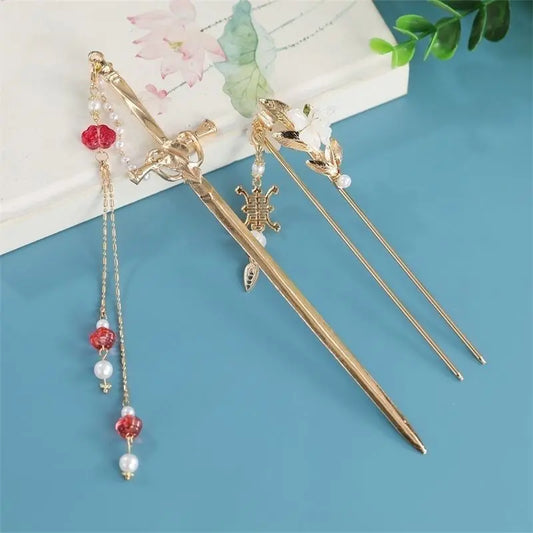
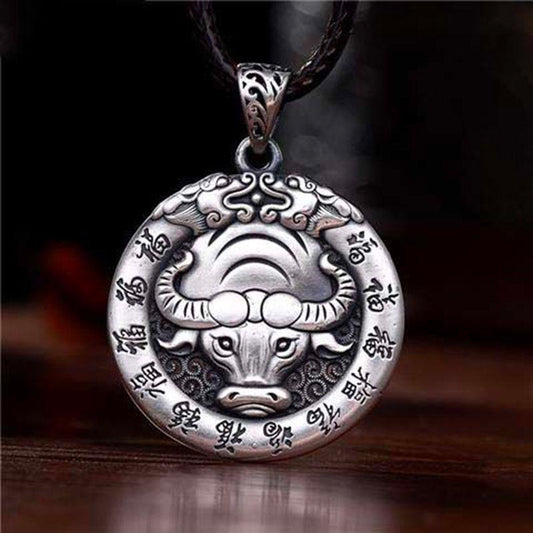
🏮 Traditional Chinese festivals are occasions for wearing auspicious jewelry — red cords for protection, dragon‑phoenix motifs for weddings, and jade pendants for ancestral blessing. Explore our holiday‑ready collections below.
📌 Frequently Asked Questions (FAQ)
• Stepanchuk, Carol. (2023). “Traditional Chinese Festivals & Celebrations.” China Heritage Quarterly.
• “Major Traditional Chinese Festivals.” Ecns.cn (China News Service).
• “The Complete Guide to Chinese Festivals.” Travel China Guide (2025).
• “Chinese Festivals: Dates, Traditions, and Food.” China Educational Tours (2026).
• “Top 10 Chinese Festivals.” ChinaWhisper (2025).
• “List of Traditional Chinese Festivals.” Top China Travel.
• “Dragon Boat Festival: Legend, Customs & Foods.” YourChineseAstrology.com.
• “Qingming Festival: Tomb‑Sweeping Day Explained.” China Highlights.
🔗 Explore more Chinese cultural heritage at Chinese Showcase.
✨ Traditional Chinese Jewelry — Celebrate the Festivals in Style
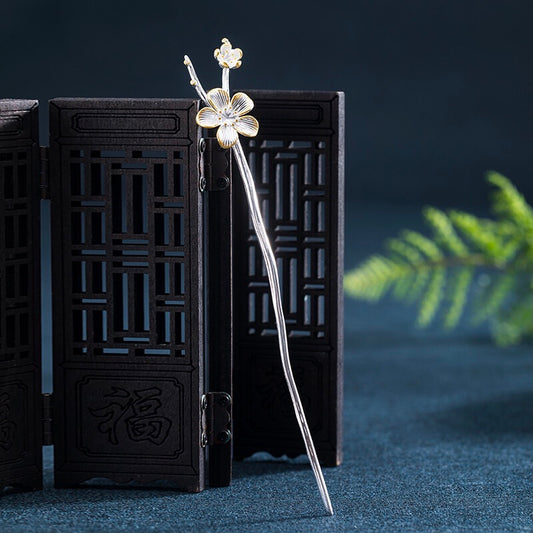
Every traditional Chinese festival calls for auspicious adornments. Red cord bracelets for protection during Lunar New Year, dragon‑phoenix pendants for weddings near the Mid‑Autumn Festival, jade hairpins for Qingming remembrances. Our collections feature jewelry that honors these celebrations.
✨ Each piece is designed to carry the blessings of family, prosperity, and longevity — perfect for wearing at festivals or giving as gifts.