The Qixi Festival (七夕节), also known as the Double Seventh Festival or Chinese Valentine's Day, is one of China's most romantic and cherished traditional festivals. Celebrated on the 7th day of the 7th lunar month, the festival has been observed for over 2,000 years and remains deeply meaningful in Chinese culture.[reference:0]
In 2026, Qixi Festival falls on Wednesday, August 19.[1] The date changes each year according to the lunar calendar, typically falling between late July and late August.[1] While not an official public holiday, millions of Chinese people celebrate Qixi with romantic dinners, gift exchanges, and cultural activities.[1]
This comprehensive guide explores the legendary origins of Qixi, traditional customs passed down through generations, festive foods, modern celebrations in 2026, and how the festival is observed across Asia and around the world.
📌 Quick Facts: Qixi Festival 2026
| Fact | Details |
|---|---|
| Chinese Name | 七夕节 (Qīxījié) — "Seventh Evening Festival" |
| Also Called | Qiqiao Festival (乞巧节 — "Beseeching Craftsmanship"), Chinese Valentine's Day, Double Seventh Festival, Night of Sevens |
| 2026 Date | August 19, 2026 (Wednesday) |
| Date Range | Typically falls between late July and late August |
| Public Holiday? | No — businesses and schools operate normally |
| Observed In | China, Japan (Tanabata), Korea (Chilseok), Vietnam (Thất Tịch), Singapore, Malaysia, Indonesia |
| Core Legend | Niulang (Cowherd) and Zhinü (Weaver Girl), separated by the Milky Way |
| Traditional Activities | Qiqiao (needlework contests), stargazing, worshiping stars, eating Qiaoguo pastries |
| Modern Celebrations | Romantic dinners, gifts (flowers, jewelry, chocolates), museum events, cultural performances |
📜 The Legend of Niulang and Zhinü: The Origin of Qixi
The Qixi Festival's origins lie in one of China's most beloved myths—the tragic love story of Niulang (the cowherd) and Zhinü (the weaver girl). This legend dates back over two millennia and is intimately connected with the stars Vega and Altair, separated by the Milky Way.[2]
According to the legend, Zhinü was the seventh daughter of the Jade Emperor and the Queen Mother of Heaven. Skilled at weaving colorful clouds, she was a celestial maiden tasked with creating beautiful garments for the heavens.[3] One day, she descended to Earth to bathe in a river, where she met Niulang, an honest young cowherd living in poverty with only an old ox as his companion.[3]
The two fell deeply in love at first sight, married, and had a son and a daughter, living happily together.[4] However, when the Queen Mother of Heaven discovered that her granddaughter had married a mortal, she was furious. She ordered Zhinü to return to heaven immediately. Using a hairpin, she created the Silver River (the Milky Way) to separate the lovers forever.
Heartbroken, Niulang chased after her, carrying their two children. Moved by the depth of their devotion, the magpies of the world formed a bridge with their wings—the Queqiao (Magpie Bridge)—allowing the lovers to reunite once each year. That day became known as Qixi Festival, celebrated on the seventh day of the seventh lunar month.[5] The stars Vega (Zhinü) and Altair (Niulang) are said to shine brightest on this night.
Key Characters at a Glance:
| Character | Symbol | Role in Legend |
|---|---|---|
| Niulang (牛郎) | Altair star | Humble cowherd, mortal who falls in love with a fairy |
| Zhinü (织女) | Vega star | Skilled weaver fairy, Zhinü's seventh daughter |
| Queen Mother of Heaven | Celestial authority | Separates the lovers by creating the Milky Way |
| Magpies (喜鹊) | Loyalty, hope | Form a bridge once a year so the lovers can reunite |
🏮 Traditional Qixi Festival Customs: How Qixi Was Celebrated in Ancient China
For centuries, Qixi Festival was primarily a celebration for young women. It was a day to pray for skill in needlework, domestic arts, and a happy marriage. In Chinese, "qiqiao" (乞巧) means "beseeching craftsmanship."[6] Here are the most important traditional customs.
1. Qiqiao (乞巧) — Praying for Skillful Hands
In ancient times, young girls would gather under the moonlight and compete in needle-threading contests. The one who could thread a needle with seven holes—often under the faint light of the moon—was considered the most skillful and would be blessed with excellent needlework abilities.[7] Needlework was an essential domestic skill, and demonstrating mastery was seen as preparation for marriage.[7] "The person who threaded seven needle holes in the moonlight won the title of 'skillful hands.'"[7]
2. Worshiping Zhinü (拜织女)
Young women would set up offerings to the weaver fairy Zhinü, including tea, wine, fruits, longans, red dates, hazelnuts, peanuts, and melon seeds. They would pray for dexterity and cleverness, as well as marital happiness.[8] After praying in front of the table, everyone would sit around, eating peanuts and melon seeds and chatting until the middle of the night.[8]
3. Spiderweb Divination (喜蛛应巧)
One of the most unique traditional activities was spiderweb divination. Girls would catch a small spider and place it in a box overnight. If the spider spun a dense, round web by morning, the girl would be blessed with excellent skills and good fortune in the coming year.[9]
4. Stargazing and Moon Worship (拜月观星)
The moon is an auspicious symbol for women in traditional Chinese culture. On Qixi evening, girls and married women would bathe in water infused with leaves, then gather outdoors to view the stars Vega and Altair. They would eat seasonal fruits, burn incense, and share secrets and wishes with each other.[9]
5. Needle Divination (投针验巧)
Another fascinating custom involved floating a needle on the surface of water. Water samples collected during the day and night were mixed and left overnight to form a thin film. Girls would gently place a sewing needle on the film. The shadow cast would predict their skill level—straight indicated poor skills, while bent shapes indicated good skill and auspicious fortune.[9]
6. Honoring the Cow (贺牛生日)
Children would pick bunches of wildflowers and hang them on the horns of oxen to honor Niulang's loyal ox companion, who helped the couple reunite. This custom expressed gratitude and respect for the ox's role in the legend.[7]
🍪 Traditional Qixi Festival Foods
Food plays an essential role in Qixi celebrations. The festival's special foods, collectively called "Qiao Foods" (巧食), symbolize skill, intelligence, and sweet love.[10]
Qiaoguo (巧果) — Qixi Pastry
Qiaoguo is the most iconic Qixi Festival food. This sweet, crispy pastry is made from flour, sesame seeds, sugar, and honey, then deep-fried to a golden brown.[10] In Shandong province, people shape Qiaoguo with molds made from jujube or pear wood before baking.[10] The pastries are often stamped with patterns symbolizing love, craftsmanship, and blessings.[10] People exchange Qiaoguo as gifts, a custom called "Song Qiao" (送巧), meaning "sending ingenuity and intelligence."[10] In Shanghai, newly married women traditionally brought Qiaoguo to their husbands' homes from their parents' homes on this day.[10] It is believed that eating Qiaoguo will help Niulang and Zhinü reunite and make one's wishes come true.[10]
Additional Qixi Foods
| Food | Region | Auspicious Meaning |
|---|---|---|
| Hazelnuts, Longans, Peanuts, Red Dates, Melon Seeds Five Nuts |
Nationwide | Used as offerings to Zhinü; eating them after worship helps realize wishes |
| Dumplings (饺子) | Northern China | Fillings hidden inside predict fortune — coins (literary talent), needles (ingenuity), red dates (love), longans (happy marriage) |
| Sugar Shaped Like Women | Various | Sweet treats representing ingenuity and happy marriage |
| Cloud Noodles | Linyi, Shandong | Made with dew water, symbolizing cleverness |
| Flower Melon (花瓜) | Various | Young women carve exotic flowers, animals, and birds on melon skins |
Other popular sweets include sweet rice cakes, red bean soup, cloud noodles (made with dew water for cleverness), and sprout noodles made from hand-grown bean sprouts.[10] Young women would also carve intricate patterns on melons, a practice requiring steady hands and delicate artistry.[7]
🌃 How Qixi Festival Is Celebrated Today (2026)
In modern China, Qixi Festival has evolved significantly. While some traditional customs have faded, others have been revitalized and transformed, blending ancient heritage with contemporary expressions of love. The festival has become an important date on the commercial calendar, especially in major Chinese cities.[11]
In metropolitan hubs such as Beijing, Shanghai, Guangzhou, and Shenzhen, Qixi is celebrated with a distinctly modern aesthetic. Here are the most popular ways Qixi is celebrated today.
1. Romantic Dinners and Gifts
Qixi is now strongly associated with romantic gestures reminiscent of Western Valentine's Day. Couples exchange gifts such as flowers (especially roses), chocolates, perfume, watches, smartphones, and jewelry.[11] High-end restaurants frequently curate special Qixi menus, offering an elevated dining experience for couples. These establishments often see full bookings well in advance.[11]
2. Cultural Events and Museum Exhibitions
Museums and cultural institutions across China have revitalized Qixi traditions. For instance, Beijing's Capital Museum extended its evening hours specifically for Qixi, offering guided tours through folklore, jade, and porcelain exhibitions. One popular interactive activity is sand painting depicting traditional love symbols like Mandarin ducks, which symbolize fidelity and love in Chinese culture.[12] Traditional operas like "Tianxianpei" (The Heavenly Match), which tells a similar love story between a goddess and a mortal, are also staged.
3. Hanfu and Traditional Costume Events
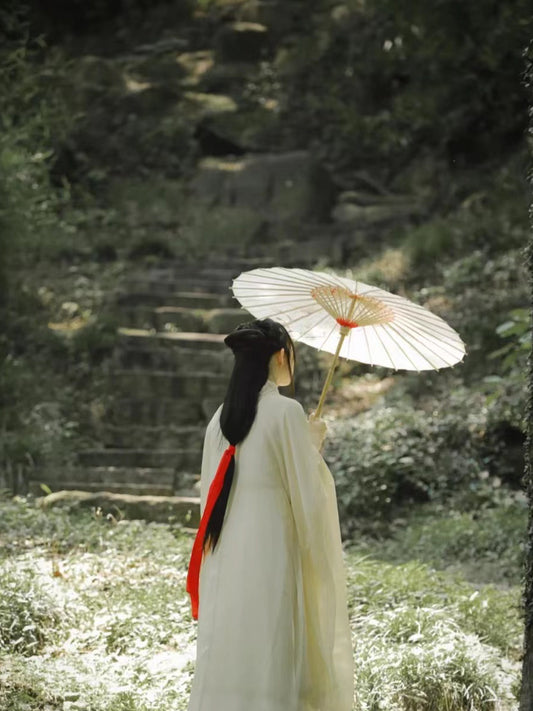
In recent years, there has been a strong revival of interest in traditional Hanfu clothing. Young people, especially women, gather at Qixi to celebrate in traditional costumes, engaging in traditional craft activities, sharing handcrafted items, and re-creating the Qiqiao traditions of their ancestors.[7] Social media platforms like Weibo, Douyin (TikTok), and Xiaohongshu are flooded with Qixi-themed content.
4. Stargazing and Romantic Getaways
Observatories and popular scenic spots, especially in the Zhejiang countryside near Hangzhou, have become go-to locations for Qixi stargazing events. Couples travel to rural or scenic areas to escape city lights and witness the stars Vega (Zhinu) and Altair (Niulang) shine brightly across the sky.[13]
5. Gifting Jewelry — A Growing Tradition
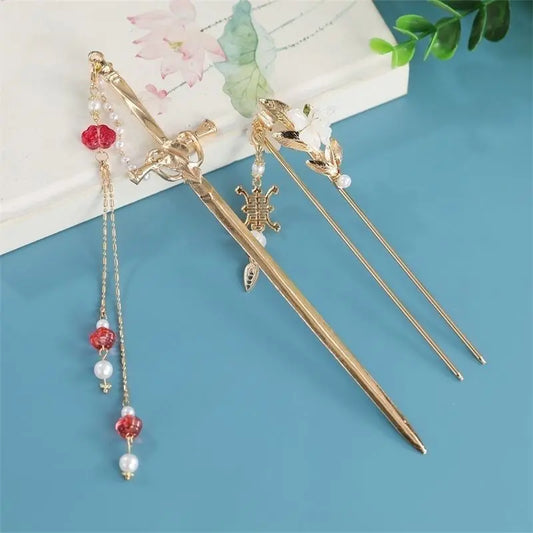
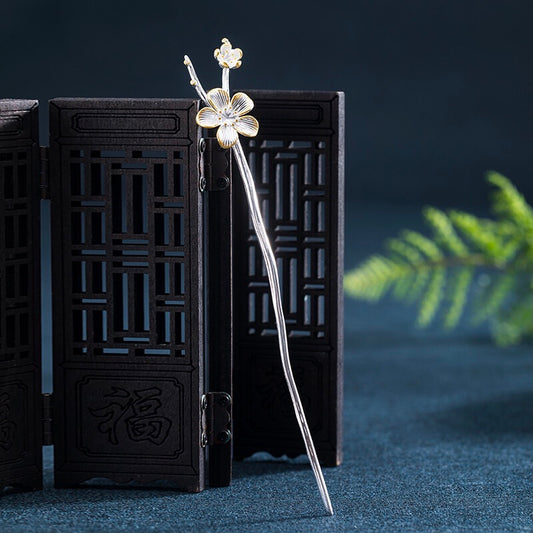
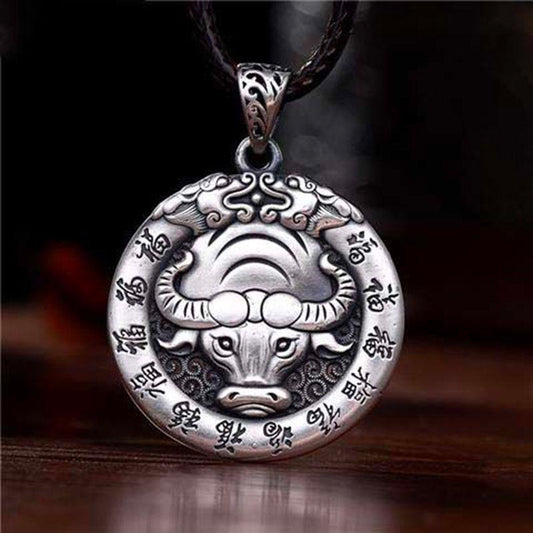
Jewelry has become one of the most popular Qixi gifts. Many Chinese couples exchange symbolic jewelry — rings as tokens of commitment, pendants engraved with love poems or double happiness symbols, and bracelets adorned with red string (thought to bring good luck in love). Traditional Chinese jewelry carries deep cultural meaning. At Chinese-Showcase, we offer a wide range of Qixi-inspired pieces perfect for celebrating the festival.
🌍 Qixi Festival Across Asia and Around the World
While Qixi originated in China, similar festivals are celebrated across East Asia:
| Country/Region | Festival Name | Notes |
|---|---|---|
| Japan | Tanabata (たなばた) | Celebrated July 7 (Gregorian calendar), focuses on Orihime and Hikoboshi, writing wishes on tanzaku paper strips |
| South Korea | Chilseok (칠석) | Observed on 7th day of 7th lunar month, features wheat noodle dishes, ritual offerings |
| Vietnam | Thất Tịch | Celebrated on same lunar date, emphasizes filial piety and romantic love |
| Singapore, Malaysia, Indonesia | Qixi Festival | Celebrated by Chinese diaspora communities, often with traditional Qiaoguo-making events and cultural performances |
Beyond Asia, Qixi has gained international recognition. Cultural centers and museums worldwide host Qixi-themed exhibitions, introducing the legend and traditions to global audiences.[14] In Singapore, dialect groups have united to celebrate long-lost Qixi traditions, including DIY Qiaoguo kits.
✨ Comparison: Traditional vs. Modern Qixi Celebrations
| Traditional Qixi (Ancient China) | Modern Qixi (2026) |
|---|---|
| Primarily a women's festival (Qiqiao — praying for skillful hands) | A couple's festival (Chinese Valentine's Day) |
| Needle-threading competitions, spiderweb divination, needle floating | Romantic dinners, gift exchanges (jewelry, flowers), social media check-ins |
| Worship of Zhinu and stars, observing Vega and Altair | Stargazing, planetarium events, romantic travel getaways |
| Exchanging handmade crafts, Qiaoguo pastries, embroidered gifts | Exchanging luxury goods, electronics, brand-name items, and traditional handmade jewelry |
| Young girls alone; unmarried women's domain | Couples, families, and friends; inclusive celebrations |
| Focus on skill, domestic arts, and good marriage | Focus on romantic love, gift-giving, and luxury consumption |
💝 How to Celebrate Qixi Festival in 2026
Whether you want to honor ancient customs or embrace modern romance, here are meaningful ways to celebrate Qixi Festival.
- ✨ Observe the Stars: Step outside on the evening of August 19, 2026, and look for the stars Vega (Zhinü) and Altair (Niulang) separated by the Milky Way. Use a star map or a simple astronomy app.
- 🎁 Exchange Thoughtful Gifts: While roses and chocolates are always loved, consider meaningful alternatives with symbolic weight—a piece of traditional Chinese jewelry, a handcrafted item, or a personalized keepsake.
- 🍪 Make or Eat Qiaoguo Pastry: Try making Qiaoguo at home or order authentic Qiaoguo from a Chinese bakery. This simple act connects you directly to a 2,000-year-old tradition.
- ✍️ Write a Love Poem: Like young women of ancient times who read poetry under the moonlight, write a love letter or poem for your partner. Rediscover the power of words in expressing affection.
- 🧵 Learn a Traditional Skill: Honor the Qiqiao spirit by taking up a craft—embroidery, sewing, calligraphy, or clay modeling—and dedicate the evening to developing a skill that requires patience and delicate hands.
- 🌃 Plan a Romantic Evening: Whether a candlelit dinner at a fine restaurant or a simple picnic under the stars, spend quality time with your loved one in a distraction-free setting.
- 🏯 Join a Cultural Event: Many museums, art centers, and universities host Qixi-themed activities—costume evenings, lantern lighting, traditional performances, or craft workshops.
❓ Frequently Asked Questions (FAQ)
A: Qixi Festival falls on the seventh day of the seventh lunar month. In 2026, the Gregorian date is Wednesday, August 19. Because the date is determined by the lunar calendar, it shifts between late July and late August each year.
A: Not exactly. While both celebrate love, Qixi has deep roots in Chinese mythology, astronomy, and traditional customs. It was historically a festival for young women to pray for skill in needlework—not a couple's festival. However, modern interpretations have transformed Qixi into "Chinese Valentine's Day."
A: They are the central characters of the Qixi love legend. Zhinü is a weaving fairy from heaven, and Niulang is a mortal cowherd. Their forbidden love and yearly reunion are linked to the stars Vega (Zhinü) and Altair (Niulang).
A: According to the legend, magpies form a bridge with their wings over the Milky Way so Niulang and Zhinü can meet once a year. Magpies are seen in Chinese culture as symbols of good luck and proof that love can overcome any obstacle.
A: No. Qixi is not an official public holiday. Schools, businesses, and government offices operate normally. Celebrations typically take place in the evening or on surrounding weekends.
A: Yes, especially among Chinese communities in Singapore, Malaysia, Indonesia, and other countries. Japan (Tanabata), South Korea (Chilseok), and Vietnam (Thất Tịch) also celebrate similar festivals. Cultural centers worldwide are increasingly hosting Qixi-themed events.
A: Qiqiao (乞巧) means "beseeching craftsmanship." In ancient times, young women prayed to Zhinü for skillful hands in needlework, a critical domestic skill. The festival's alternate name, Qiqiao Festival, reflects this origin.
A: The signature Qixi food is Qiaoguo, a sweet, deep-fried pastry made from flour, sugar, and sesame. Other festive foods include dumplings (with symbolic fillings), five nuts (longans, hazelnuts, peanuts, red dates, melon seeds), cloud noodles, and flower melons carved with intricate patterns.
A: Qixi Festival has been celebrated for over 2,000 years, dating back to the Han Dynasty (206 BCE – 220 CE). It is one of China's oldest continuously observed traditional festivals.
A: Not traditionally. Historically, Qixi was primarily for young women seeking skill, wisdom, and a good marriage. Today, while couples celebrate romantically, many people also celebrate with friends or family, and cultural institutions organize public events open to all.
📚 References & Further Reading
- China Highlights. "Qixi Festival 2026: Celebrate Chinese Valentine's Day." https://www.chinahighlights.com/festivals/double-seventh-festival.htm
- Travel China Guide. "Qixi Festival." https://www.travelchinaguide.com/essential/holidays/qixi.htm
- Wikipedia. "Qixi Festival." https://en.m.wikipedia.org/wiki/The_Night_of_Sevens
- China Daily. "Chinese Valentine's Day: Qixi." https://www.chinadaily.com.cn
- People's Daily Online. "Celebrate Qixi Festival with your loved ones." http://en.people.cn
- Travel China Guide. "Qixi Festival Traditions." https://www.travelchinaguide.com/essential/holidays/qixi-festival-traditions.htm
- CGTN. "Qixi Festival: A romantic feast for young girls in ancient China." https://news.cgtn.com/news/2019-08-07/Qixi-Festival-A-romantic-feast-for-young-girls-in-ancient-China-IXRuA8UFqg/index.html
- CGTN. "Couples enjoy romantic evening at Beijing's Capital Museum on Qixi Festival." http://news.cgtn.com/news/2019-08-08/Qixi-Couples-enjoy-romantic-evening-at-Beijing-s-Capital-Museum-IZFlbi6Q0w/index.html
- China.org.cn. "Qixi Festival: A love story written in the stars." http://www.china.org.cn/2025-08/28/content_118046771_4.shtml
- Travel China Guide. "10 Traditional Qixi Festival Foods." https://www.travelchinaguide.com/essential/holidays/qixi-festival-food.htm
- LC Chinese School. "The Ultimate Guide To Chinese Valentine's Day 2026." https://lcchineseschool.com/the-ultimate-guide-to-chinese-valentines-day-2026/
- CGTN. "Couples enjoy romantic evening at Beijing's Capital Museum on Qixi Festival." http://news.cgtn.com/news/2019-08-08/Qixi-Couples-enjoy-romantic-evening-at-Beijing-s-Capital-Museum-IZFlbi6Q0w/index.html
- LC Chinese School. "How To Celebrate The Double Seventh Festival In 2026." https://lcchineseschool.com/how-to-celebrate-the-double-seventh-festival-in-2026/
- China.org.cn. "Qixi Festival: A love story written in the stars." http://www.china.org.cn/2025-08/28/content_118046771_4.shtml
✨ Discover Chinese Jewelry for Qixi Festival at Chinese-Showcase
At Chinese-Showcase, we celebrate Qixi Festival by offering exquisite, handcrafted jewelry inspired by Chinese heritage. Whether you are searching for a meaningful gift for your loved one or a piece that honors your own cultural roots, our collections capture the beauty and symbolism of traditional China.
Jade, Pixiu, and auspicious symbols for lasting love
Traditional motifs for luck, commitment, and true love
Red string, jade, and silver bangles for blessings
Elegant Hanfu-inspired designs for the Qiqiao spirit
Cloisonné, tassel, and classic styles with deep cultural meaning
Nature-inspired and imperial motifs for a distinguished look
Visit our online store to explore the full collection and find the perfect Qixi Festival gift.
© 2026 Chinese-Showcase. All rights reserved.