Short answer: Yes — with respect, context, and curiosity. Traditional Chinese hair pins (簪子, hairpins or 发簪) and modern Chinese-inspired hair accessories are beautiful, wearable pieces of craftsmanship. But because these items carry cultural meaning, wearing them thoughtfully matters. This guide explains the history and symbolism of Chinese hair pins, addresses cultural appreciation vs. appropriation, gives practical styling tips for non-Chinese wearers (including white people), and shows respectful ways to purchase, wear, and care for these accessories. We’ll also highlight a few authentic products you can consider if you want to try the look.

Why Chinese Hair Pins Matter
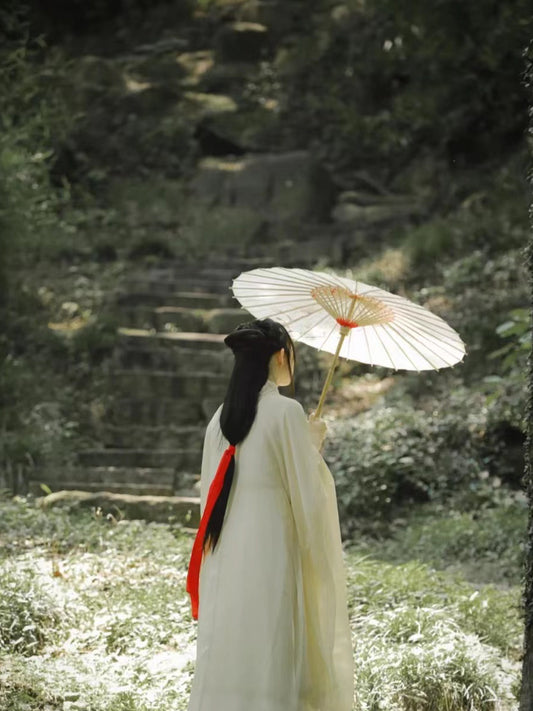
Chinese hair pins are far more than decorative objects. For centuries, hairpins have been used in China as functional jewelry, markers of social class, tokens in coming-of-age rituals, and symbols in wedding and religious ceremonies. In historical Han, Tang, Song and Ming dynasties, elaborate hairpins made from precious metals, jade, lacquer, and wood signified rank and marital status. Even today, hairpins are part of cultural dress (Hanfu, traditional bridal attire) and modern fashion statements.
Common Symbols & Materials
- Materials: jade, gold, silver, wood (檀木/檀), lacquer, enamel, gemstones, and glass.
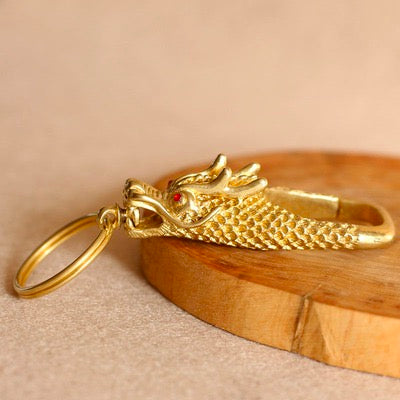
- Motifs: phoenix (凤) for brides and femininity, dragon (龙) for power, peony (牡丹) for prosperity, swallow (燕) for luck and return, and butterflies for love/transformation.
- Shape & Function: straight pins, step-shake pins, double-prong pins, and tassel hairpins (流苏) — many are both ornamental and functional.
Appreciation vs. Appropriation — Practical Guidance
People often worry about cultural appropriation when adopting styles from other cultures. The key difference between appreciation and appropriation is respect, context, and intent. Here are guidelines to help you wear Chinese hair pins in a sensitive, informed way:
- Learn the background. Take a moment to read about the piece you’re wearing — what symbols or materials it contains and whether it’s associated with specific ceremonies.
- Avoid sacred or ceremonial-only items for casual wear. Some hairpins are used in weddings, religious rites, or as family heirlooms. If an item is explicitly ceremonial, consider whether it’s appropriate for everyday fashion.
- Give credit. If you share photos or content on social media, mention the origin (e.g., “inspired by traditional Chinese hanfu hairpins”) and, when possible, tag or link to the artisan or shop you purchased from.
- Buy authentic and ethical sources. Support craftsmen and reputable sellers — this helps preserve traditional arts and ensures the piece is made with cultural integrity.
- Ask if unsure. If you’re attending a cultural event (e.g., a wedding or religious festival), ask your host whether wearing a traditional hairpin is appropriate.
How to Wear Chinese Hair Pins Respectfully (Step-by-Step Tips)
If you’re white (or from any non-Chinese background) and want to wear a Chinese hair pin, these practical tips will help you look stylish while being considerate.
1. Choose an appropriate style
For everyday wear, opt for hairpins inspired by Chinese motifs rather than highly ceremonial pieces. Tassel hairpins, floral fan-shaped pins, and swallow motifs are versatile and elegant for daily outfits.
2. Consider the occasion
Neat and subtle pieces work well for casual or office settings. If you’re attending a Chinese cultural celebration, ask whether wearing traditional attire (and hair accessories) is welcomed — often hosts will be delighted.
3. Learn simple hairstyles
Common ways to wear hair pins include low buns, half-up knots, or inserting one pin horizontally to hold a chignon. Practice at home — a single ornate pin can instantly elevate a simple hairstyle.
4. Balance the look
Let the hairpin be a focal point. Pair a statement hairpin with minimal jewelry and neutral clothing to avoid looking like you’re wearing a costume.
5. Be ready to explain
If someone asks about your hairpin, speak honestly: mention if it was a gift, purchased from a specialized store, or inspired by historical designs. This shows respect and curiosity.
Where to Buy Chinese Hair Pins (Support Authentic Makers)
If you want to wear a hairpin that honors its cultural roots, consider buying from artisans or shops that explicitly describe materials, craftsmanship, and inspiration. Here are three high-quality examples — each blends traditional motifs with wearable design:

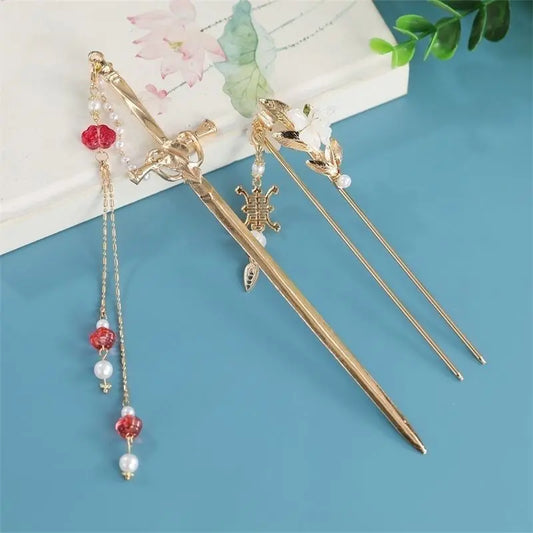
Pink Flower Fan-Shaped Tassel Hairpin
Delicate fan-shaped design with pink beads and flowing tassel — perfect for everyday elegance.

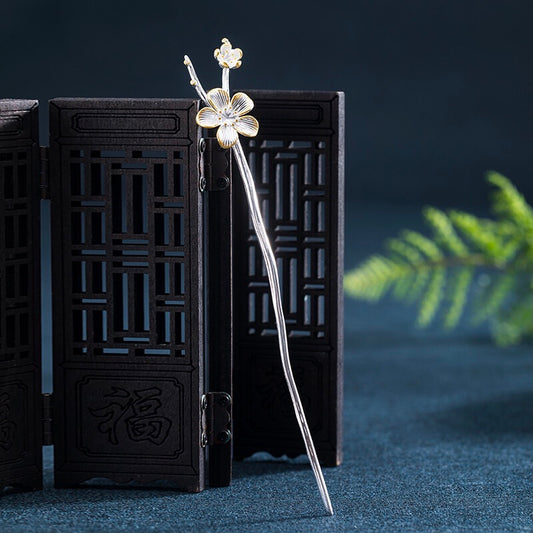
Magnolia Red Tassel Hairpin (Sterling Silver)
Sterling silver accents and floral magnolia motif — elegant, durable, and culturally inspired.

Flying Swallow Tassel Step-Shake Hairpin
Swallow motif for luck and return; a step-shake design adds movement and traditional charm.
How to Style Chinese Hair Pins with Western Fashion
Mixing Eastern accessories with Western clothing can create a fresh, personal aesthetic. Here are styling ideas:
- Casual Boho: Add a tassel hairpin to a loose half-up hairstyle with a linen dress.
- Office Chic: Use a sleek silver-accent hairpin to secure a low bun for a polished look.
- Evening Glam: Pair an ornate pin with a simple black dress — the pin becomes a statement accessory.
- Bridal: For brides who love fusion styles, delicate floral pins can complement both Western gowns and traditional elements.
Common Mistakes to Avoid
Wearing cultural accessories comes with responsibility. Avoid these pitfalls:
- Wearing clearly ceremonial pieces as casual costume. If an item is marked for religious/ceremonial use, don’t treat it as novelty wear.
- Ignoring provenance. Don’t mislabel or claim an item is “authentic antique” unless it truly is; be honest about what you’re wearing.
- Using caricatured styling. Avoid combining cultural items with stereotypical clothing or makeup that mocks or trivializes the culture.
Care & Maintenance of Hair Pins
To keep your hairpins beautiful and long-lasting:
- Clean metal parts gently: Use a soft cloth for silver or sterling silver; avoid harsh chemicals.
- Protect tassels and beads: Store in a soft pouch to prevent tangling and discoloration.
- Avoid water and hair products: Spray perfumes or hair sprays before inserting the pin to reduce residue buildup.
- Repair thoughtfully: If a piece needs restoration, seek a professional jeweler or the original artisan where possible.
Wearing with Confidence & Respect
Ultimately, wearing a Chinese hair pin as a non-Chinese person is about respectful curiosity. When you approach cultural items with openness, learn about their meaning, support authentic makers, and avoid trivialization, you turn fashion into a bridge — one that connects admiration with understanding.
Quick FAQ
Q: Is it offensive for a white person to wear a Chinese hair pin?
A: Not inherently. It becomes problematic when worn disrespectfully, without knowledge, as a costume, or when it mocks cultural meanings.
Q: Can I wear a hairpin to a Chinese wedding?
A: Only if the host says it’s appropriate. Ask beforehand — many hosts welcome respectful displays of interest, while others may prefer to keep ceremonial items reserved for family.
Q: What’s a safe beginner piece?
A: A subtle tassel pin or floral fan-shaped hairpin (non-ceremonial) is a versatile, respectful starting point. See the examples above for inspiration.
Final Thoughts
Chinese hair pins are beautiful artifacts of history, art, and personal expression. White people — and anyone from outside Chinese culture — can certainly wear these accessories, provided they do so with humility, respect, and awareness. Learn about the symbols, choose pieces from reputable sources, and be mindful of context. In doing so, you honor the craft and deepen your own appreciation for a rich cultural tradition.