Historical Significance of Hairpins in Marriage
The tradition of gifting hairpins in Chinese marriage rituals can be traced back to dynasties such as the Han and Tang periods. A young woman’s transition into adulthood was often marked by a hairpin ceremony, where the hairpin represented her readiness for marriage. During weddings, hairpins were commonly used to adorn the bride’s hair, symbolizing fidelity, beauty, and the hope for a harmonious union.
Hairpins also carried subtle messages of love and desire. For example, lovers might exchange hairpins as tokens of affection. The material, design, and craftsmanship of a hairpin could indicate social status and personal sentiments, making them treasured keepsakes and heirlooms passed down through generations.
Symbolism of Materials and Motifs
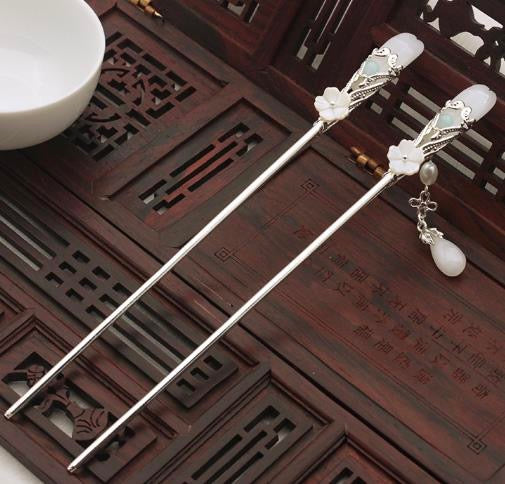
The materials used in Chinese hairpins are deeply symbolic. Precious metals such as gold and silver were associated with wealth, nobility, and purity, while natural materials like jade, wood, and coral reflected spiritual and healing properties.
- Jade: Symbolizes purity, longevity, and marital fidelity.
- Gold and Silver: Represent prosperity, security, and enduring love.
- Coral and Precious Stones: Enhance passion, vitality, and emotional balance.
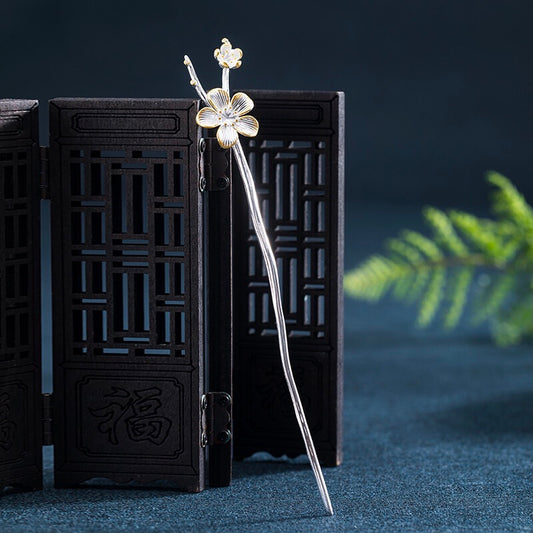
The motifs carved or embedded in hairpins carry additional meanings. Flowers, birds, and mythical creatures such as phoenixes or dragons are especially popular. Each design conveys messages of love, fidelity, fertility, and protection for newlyweds.
Popular Hairpin Motifs in Love and Marriage
1. Phoenix: Often paired with the dragon, the phoenix represents the female counterpart and symbolizes grace, beauty, and marital harmony. In wedding hairpins, the phoenix motif conveys loyalty and the hope for a prosperous married life.
2. Flowers: Peonies, lotuses, and roses are common in bridal hairpins. The peony symbolizes wealth and romance, the lotus signifies purity and enlightenment, and roses are a universal emblem of love and passion.
3. Tassels and Pearls: Tassels are often incorporated to symbolize longevity and happiness, while pearls signify wisdom, purity, and perfection in love.

Fan Maple Leaf New Chinese Circled Tassel Pearl Hairpin
This elegant hairpin features a maple leaf design with a circular tassel and pearl details, symbolizing love, fidelity, and prosperity in marriage traditions. Perfect for weddings or romantic ceremonies.
Hairpins as Tokens of Love
In Chinese folklore, hairpins were often exchanged between lovers as intimate tokens. Giving a hairpin was a gesture of commitment, signaling the desire for a lasting bond. During marriage ceremonies, family members might present the bride with a hairpin to symbolize blessings, protection, and a prosperous union.

Red Rose Pearl Tassels U-Shaped Hairpin
A vibrant red rose hairpin with pearl tassels, representing passionate love, romance, and fidelity. Its U-shaped design ensures a secure fit, making it ideal for wedding hairstyles and special occasions.
Hairpins in Modern Weddings
While traditional hairpin ceremonies have diminished over time, modern Chinese weddings still incorporate hairpins as part of bridal accessories. Contemporary designs blend traditional symbolism with modern aesthetics, allowing brides to honor heritage while expressing personal style. Hairpins remain central in wedding photography, bridal preparation rituals, and as meaningful gifts for family members.

Floral Small Leaves Lotus Flowers Pearl Tassels Hairpin
This delicate hairpin features lotus flowers and small leaf motifs adorned with pearl tassels, symbolizing purity, harmony, and a blessed union. Ideal for brides seeking elegance with traditional charm.
Symbolic Placement and Usage
Brides traditionally place hairpins strategically within their hairstyles to enhance symbolic meanings. For example, positioning a phoenix motif near the crown of the head conveys marital harmony and honor, while lotus or floral motifs near the side suggest purity, love, and fertility.
Hairpins are not only decorative; they function as talismans, bringing blessings and protection. Families may choose hairpins with auspicious motifs to ensure prosperity, fidelity, and a happy marriage.
Conclusion: Timeless Love and Tradition
Chinese hairpins serve as both ornamental and cultural artifacts, deeply embedded in love and marriage traditions. From historical ceremonies to modern weddings, hairpins carry messages of fidelity, love, prosperity, and protection. By choosing hairpins with meaningful motifs and high craftsmanship, brides can honor tradition while enhancing the elegance and symbolism of their wedding attire.
Whether as heirlooms, gifts, or bridal accessories, Chinese hairpins remain enduring symbols of love, commitment, and marital harmony, bridging generations and blending tradition with contemporary aesthetics.