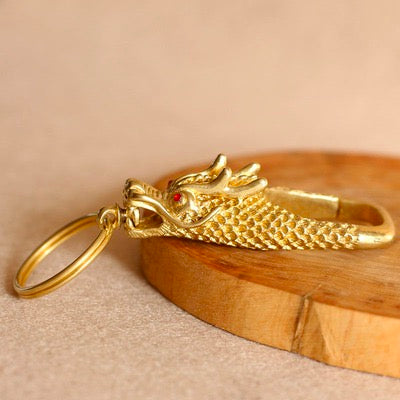
Hairpins have been an essential part of Chinese culture for thousands of years, serving not only as practical tools for securing hair but also as symbols of beauty, status, and artistic expression. From ancient dynasties to modern fashion, Chinese hairpins, known as 簪子 (zānzi), reflect a rich cultural heritage and deep aesthetic philosophy. In this article, we explore the history, cultural significance, and evolution of Chinese hairpins, along with modern adaptations and exquisite products that carry forward this timeless tradition.
Historical Origins of Chinese Hairpins
Chinese hairpins date back as early as the Neolithic period, with archaeological findings revealing jade and bone hairpins used by women and men alike. During the Shang and Zhou dynasties, hairpins evolved into intricate designs made of bronze, gold, silver, and precious stones. They were not only functional but also represented social rank and moral virtue. In imperial courts, elaborate hairpins were worn by empresses and noblewomen, often decorated with phoenixes, dragons, and auspicious motifs symbolizing longevity, prosperity, and beauty.
Cultural Significance in Traditional Chinese Society
Hairpins were deeply integrated into Chinese rituals and customs. They were a part of coming-of-age ceremonies, marriage rituals, and festive celebrations. In some dynasties, a hairpin could denote a woman’s marital status: unmarried women wore simple designs, while married women or those in high social status adorned elaborate and ornamental hairpins. They also appear in classical Chinese literature and poetry, symbolizing elegance, devotion, and feminine grace.

Artistic Evolution and Symbolism
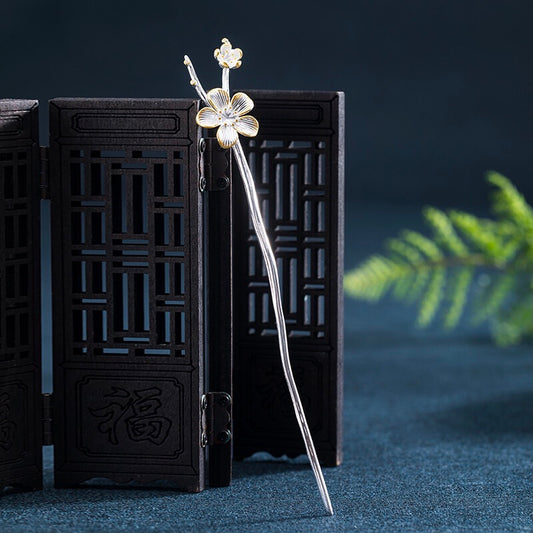
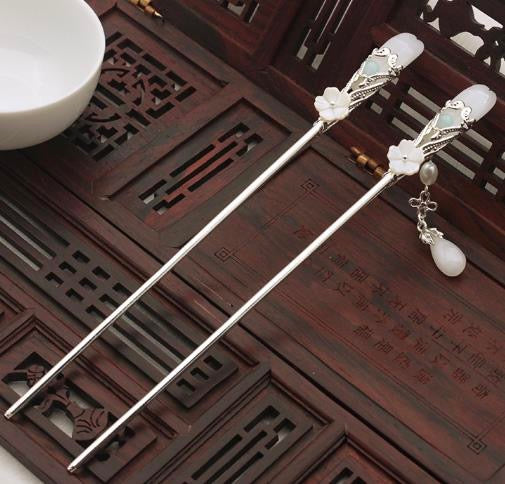
Over centuries, Chinese hairpins transformed from functional objects to sophisticated works of art. Designs incorporated motifs from nature such as flowers, birds, butterflies, and fish. The materials used, such as jade, ivory, gold, silver, and enamel, symbolized wealth and status. Many hairpins also carried spiritual and symbolic meanings, intended to ward off evil spirits, attract good fortune, or convey personal virtues like loyalty and love.

Hairpins in Hanfu and Modern Fashion
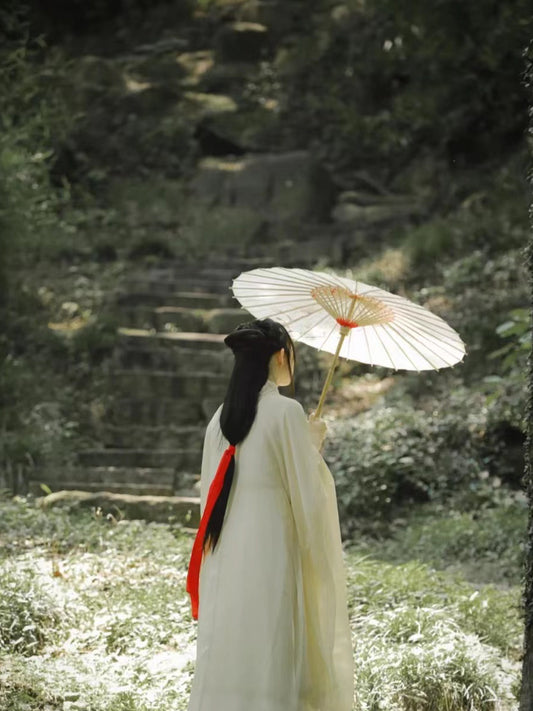
With the revival of traditional Hanfu clothing, hairpins have regained prominence as both fashion accessories and cultural symbols. Modern hairpins combine classic elements with contemporary materials and design, making them suitable for everyday wear, cultural performances, or special occasions. They bridge the past and present, allowing wearers to express both elegance and personal identity.

Conclusion
Chinese hairpins are more than ornamental tools—they are cultural artifacts, expressions of artistry, and symbols of social and spiritual values. From the earliest jade pins to elaborate Hanfu-inspired modern accessories, they embody the intersection of history, fashion, and symbolism. By wearing or collecting Chinese hairpins, we honor a tradition that celebrates beauty, craftsmanship, and the enduring elegance of Chinese culture.