The Chinese embroidered-ball pattern is commonly called xiuqiu wen (绣球纹), literally “embroidered-ball motif.” It is a round, compact decorative design built from petals, ribbons, floral clusters, geometric panels, or a ball shown with lions. The circle gives the motif unity, while the lines inside it create the impression of an ornate textile ball turning in space.
There is one important complication: the Chinese term does not always identify a single standardized drawing. In museum descriptions, a circular floral medallion may be called a round-flower pattern or “embroidered-ball flower.” In folk art, xiuqiu may mean a colorful cloth ball used as a token of affection. On porcelain and textiles, it may refer to the ball in the familiar lion-playing-ball scene. Context determines which meaning is intended.
What Is the Chinese Xiuqiu Pattern?
Visually, xiuqiu wen usually begins with a circle or a nearly spherical outline. The interior is divided by curved lines that resemble folded silk panels, flower petals, cords, or openwork lattice. A central rosette, diamond, or radiating star may organize the design. The result can look floral from a distance and geometric at close range.
The pattern's power comes from this ambiguity. It can suggest a flower, a ball, a textile object, or a miniature cosmos held inside a circle. Craftspeople could simplify it into a few strong curves for carving, or enrich it with numerous spokes and petals for embroidery, metalwork, and painted decoration.

Four Meanings That Should Not Be Confused
| Form | What It Looks Like | Where It Appears | Best English Description |
|---|---|---|---|
| Circular floral medallion | Flowers or petals compressed into a round unit | Porcelain, textiles, ceilings, furniture | Round-flower or floral medallion pattern |
| Decorated textile ball | A sphere divided into embroidered or ribboned panels | Festival objects, folk art, wedding imagery | Embroidered-ball motif |
| Lion-playing-ball scene | One or more lions chasing a ribboned ball | Porcelain, embroidery, prints, architecture | Lion playing with an embroidered ball |
| Hydrangea flower | A botanical cluster of many small blossoms | Floral painting and modern decorative design | Hydrangea motif |
| Zhuang xiuqiu | A three-dimensional cloth ball, often made from twelve embroidered panels | Guangxi folk craft, festivals, courtship customs | Zhuang embroidered ball |
The distinctions matter for translation and historical interpretation. The National Museum of China describes tuanhua wen as a circular motif that is also called “embroidered-ball flower” in the context of porcelain. That does not mean every round floral medallion is a realistic hydrangea. It means the tightly gathered composition was compared to the fullness of an embroidered ball or clustered blossom.
Similarly, a lion-playing-ball image is not simply a geometric pattern. It is a complete auspicious scene containing an animal, movement, clouds, ribbons, and sometimes multiple rebus-like meanings. A careful article, catalog, or product description should name the specific form instead of treating all five categories as identical.
The History and Development of Xiuqiu Motifs
Round Floral Designs on Early Ceramics
Round floral ornament has a long history in Chinese decorative art. Museum descriptions note that molded round-flower designs were already common on ceramics during the Sui and Tang periods. The circle allowed a flower, animal, or scrolling plant to become a self-contained unit that could be repeated around a vessel without losing clarity.
During the Ming and Qing dynasties, circular motifs became especially varied. Dragons, phoenixes, flowers, and paired creatures were enclosed in medallions or arranged as evenly spaced units. The National Museum's Yongzheng-period doucai bowl, for example, places four groups of round floral decoration around the exterior. Its balance shows why the compact motif worked so well on curved porcelain.

The Ball as a Motif of Movement
When artists added lions, the ball became active rather than static. A Ming blue-and-white meiping in the National Museum shows three lions running after an embroidered ball, accompanied by clouds, flaming pearls, and precious objects. The vessel demonstrates that the ball could serve as the visual pivot of a lively narrative.
The same subject crossed materials. It appears on ceramics, children's clothing, blue-and-white printed cloth, architectural carving, paper cuts, New Year pictures, and festival objects. Tsinghua University Art Museum preserves a red satin dudou embroidered with a lion-and-ball composition, while the Shanghai Museum records a Suzhou blue resist-dyed bedcover with lion-playing-ball imagery. These examples show that the motif belonged to both elite and everyday visual culture.
How Is Xiuqiu Pattern Constructed?
Although historical examples vary, many share a small set of design principles. Understanding them is more useful than memorizing one outline.
- A circular boundary: the outer ring creates completeness and lets the motif repeat cleanly.
- Radial balance: petals, cords, or panels turn around a shared center.
- Mirrored curves: paired lines create the impression of folded fabric or swelling flower petals.
- A central core: a star, rosette, diamond, bead, or knot prevents the composition from feeling empty.
- Layered density: simple versions use four large panels; elaborate versions add spokes, small blossoms, and interlaced lines.
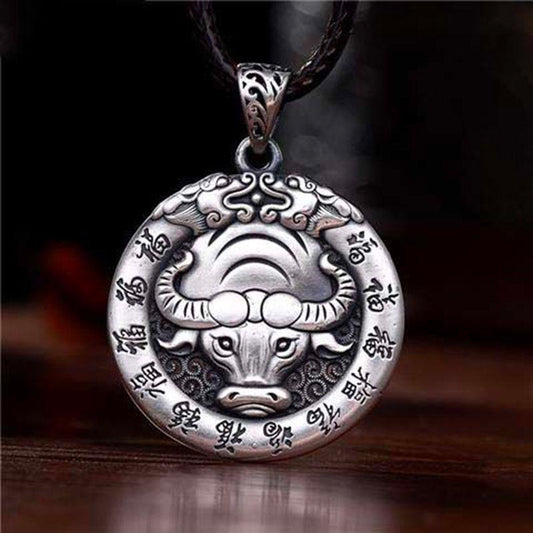
The central area changes the personality of the design. A small diamond makes it orderly and architectural. A rosette makes it more floral. A dense starburst creates energy and resembles tightly gathered embroidery stitches. The four supplied pattern types demonstrate this progression from open to increasingly elaborate construction.

What Does Xiuqiu Symbolize in Chinese Culture?
Completeness and Reunion
The round shape naturally lends itself to ideas of wholeness, reunion, and harmonious relationships. In Chinese visual culture, a circle often supports wishes for family togetherness and a complete, well-ordered life. This interpretation is especially appropriate when xiuqiu appears in wedding, festival, or domestic decoration.
Celebration and Auspicious Wishes
Bright embroidered balls, flowing tassels, lions, peonies, bats, lotus flowers, and auspicious clouds often appear together. Their combined message is festive rather than solemn. The ball concentrates these wishes into a vivid center, while surrounding creatures or flowers turn toward it.
Affection and Courtship
In Zhuang tradition, the embroidered ball is associated with communication and affection. Throwing a xiuqiu became a well-known courtship image, particularly in connection with song gatherings. The object could function as a token through which feelings were expressed. In this context, the symbolism comes from social custom, not from the circle alone.
Prosperity, Honor, and Good News
When a xiuqiu design is combined with peonies, the peony contributes associations with honor, beauty, and prosperity. When paired with lions, the scene can express strength, celebration, and auspicious order. When accompanied by bats, the bat adds the familiar rebus for good fortune. Meaning is therefore cumulative: each motif modifies the whole composition.
It is better to describe these meanings as cultural associations than as guarantees. A decorative xiuqiu does not mechanically produce love, money, or protection. Its value lies in the wishes, memories, and craftsmanship that people attach to it.
Why Do Chinese Lions Play With an Embroidered Ball?
Lions were regarded in traditional China as powerful and auspicious creatures. Their imposing appearance made them suitable guardians, while lion dancing connected them with New Year celebrations and public festivity. In decorative scenes, the ball gives the lions a shared focus and transforms protective strength into animated play.
The National Museum explains that large and small lions could evoke the titles taishi and shaoshi, senior and junior preceptors, through wordplay on “lion” and “teacher.” The Shanghai Museum records later auspicious readings of lion-and-ball imagery, including phrases that connect “ball” with wishes being answered. These interpretations belong to a broader Chinese habit of using homophones and visual puns in ornament.
Compositionally, the ball is equally important. It establishes the center, while lions, ribbons, clouds, and flames create circular motion around it. One lion may face the ball directly; two lions may form a balanced pair; three lions can create a more dynamic chase. The subject therefore combines symbolic meaning with an efficient visual structure.
The Zhuang Embroidered Ball of Guangxi
The Zhuang xiuqiu is a real three-dimensional folk craft rather than only a surface motif. Official cultural sources describe the embroidered balls of Jingxi in Guangxi as carefully handmade objects and important tokens for expressing emotion. Most are assembled from twelve embroidered sections, often using red, yellow, and green as prominent colors. Individual panels may carry flowers, birds, characters, or other auspicious designs.
The twelve-panel structure gives the ball a practical geometry and a rich cultural reading. Contemporary explanations sometimes connect the twelve sections with the twelve months and wishes for year-round peace and good fortune. The object also appears in festival displays, cultural tourism, gifts, and demonstrations of traditional craft.
Throwing the embroidered ball has also developed into a traditional sport. Modern competition balls and rules differ from delicate folk-craft examples, but both preserve the recognizable xiuqiu form. This living use distinguishes the Zhuang embroidered ball from a purely historical ornament locked inside a museum case.
Where Is Xiuqiu Pattern Used?
| Medium | Common Technique | How the Motif Works |
|---|---|---|
| Porcelain | Blue-and-white painting, doucai, underglaze color | Round floral medallions repeat around a vessel, or lions chase a central ball. |
| Embroidery | Satin stitch, knot stitch, couching, appliqué | Thread density and color create a rich textile-ball effect. |
| Printed cloth | Resist dyeing, block printing | Bold silhouettes keep lion-and-ball scenes readable across a large field. |
| Wood and stone | Relief carving, openwork | Curved panels become durable architectural or furniture decoration. |
| Metalwork | Filigree, engraving, repoussé, enamel | Radial lines and floral centers suit pendants, buttons, clasps, and ornaments. |
| Folk craft | Pieced silk, embroidery, stuffing, tassel making | Flat patterned panels become a three-dimensional Zhuang xiuqiu. |

Using Xiuqiu in Modern Design
Modern designers can adapt the motif to jewelry, scarves, packaging, window screens, ceramic decals, logos, tiles, and digital graphics. The most convincing results preserve the circular logic and radial balance instead of copying surface decoration without understanding its structure.
A minimal design may use only four mirrored curves. A more ceremonial version can add a rosette, tassels, peonies, or paired lions. Line weight should match the material: thin spokes work in enamel or printing, while carving and openwork need stronger connections. On small jewelry, reducing the number of lines usually produces a clearer and more durable result.
Designers should also choose terminology carefully. A product based on the geometric ball can be described as xiuqiu-inspired. A realistic flower cluster should be called hydrangea. A round peony arrangement is better described as a peony medallion. Clear naming respects both the history of the motif and the customer's expectations.
Floral Jewelry That Echoes the Xiuqiu Aesthetic
The following pieces do not claim to reproduce a documented historical xiuqiu pattern. They were selected because their clustered flowers, rounded forms, and traditional Chinese craft references echo the motif's visual ideas of fullness, celebration, and harmony. None of these products appeared in the earlier article recommendations reviewed for this project.

Silver and Gold Peony Stud Earrings
Compact chased peony blossoms create the same kind of concentrated floral center found in many round xiuqiu-style compositions.
View Peony Earrings
Blue Silk Velvet Peony Tassel Hairpin
Layered silk petals, wirework, pearls, and a moving tassel connect naturally with the textile richness of an embroidered ceremonial ball.
View Peony Hairpin
Freshwater Pearl Flower Ring
A pearl-centered flower arranged on a circular band offers a restrained contemporary interpretation of clustered petals and rounded balance.
View Flower RingFrequently Asked Questions
What is the Chinese embroidered-ball pattern?
It is a family of round Chinese motifs known as xiuqiu wen. Depending on context, it may depict a decorated textile ball, a compact floral medallion, or the ball in a lion-playing-ball scene.
How do you pronounce Xiuqiu?
In Mandarin pinyin it is written xiùqiú. The first syllable is close to “shyoh,” and the second is close to “chyoh,” both pronounced smoothly rather than as separate English words.
Does Xiuqiu mean hydrangea?
It can refer to the hydrangea flower in botanical contexts, but not every xiuqiu motif is a hydrangea. In decorative art it may instead mean an embroidered ball or a tightly composed round floral design.
What does Xiuqiu symbolize in Chinese culture?
Common associations include completeness, reunion, celebration, affection, harmony, and auspicious wishes. The exact meaning changes with accompanying motifs such as lions, peonies, bats, lotus flowers, or clouds.
Is Xiuqiu pattern considered lucky?
It is often used in festive and auspicious settings, especially with lions and other good-wish motifs. It is best understood as a visual expression of blessing rather than an object that guarantees luck.
Why are lions shown playing with a ball?
The ball creates movement and a shared visual center, while lions contribute strength and celebration. Wordplay and traditional official titles also gave some lion pairings additional auspicious meanings.
What is a Zhuang embroidered ball?
It is a three-dimensional embroidered folk craft strongly associated with Jingxi in Guangxi. Many examples are made from twelve decorated panels and are used as cultural gifts, festival objects, and symbols of affection.
Was throwing embroidered balls a courtship custom?
Yes. In Zhuang cultural tradition, throwing a xiuqiu at song gatherings became a well-known way for young people to express interest and affection. Modern ball throwing has also developed into a traditional sport.
What is the difference between Xiuqiu pattern and round-flower pattern?
Round-flower pattern describes any compact circular floral unit. Some museum texts also call it an embroidered-ball flower, but xiuqiu is broader and can include textile balls, folk objects, and lion-playing-ball scenes.
Where can Xiuqiu motifs be found?
They appear on porcelain, embroidery, printed cloth, clothing, wood and stone carving, furniture, architectural decoration, metalwork, festival crafts, paper cuts, and modern jewelry.
How can designers use Xiuqiu pattern respectfully?
Study the specific source form, preserve its radial structure, name it accurately, and avoid claiming that a modern design is an exact historical reproduction unless evidence supports that statement.
Conclusion
Xiuqiu wen is not one frozen symbol but a flexible decorative family. It can be a compact round flower on porcelain, a ribboned ball chased by lions, a geometric circle divided into textile-like panels, or a handmade Zhuang object carrying affection and communal memory.
Across these forms, several ideas remain consistent: the circle gathers the composition, repeated curves create rhythm, and the center becomes a focus for celebration and good wishes. Understanding the differences between floral medallion, embroidered ball, hydrangea, lion-and-ball scene, and Zhuang folk craft allows modern readers to appreciate the motif without flattening its history.
References
- National Museum of China: Doucai Bowl With Round Floral Medallions
- National Museum of China: Blue-and-White Meiping With Lions Playing With a Ball
- National Museum of China: Blue-and-White Drum Stool With Two Lions Playing With a Ball
- Tsinghua University Art Museum: Red Satin Dudou With Lion and Embroidered Ball
- Shanghai Museum: Suzhou Blue Resist-Dyed Bedcover With Lion-Playing-Ball Pattern
- Ministry of Culture and Tourism of China: Jingxi Zhuang Embroidered-Ball Craft
- Guangxi Sports Bureau: Zhuang Embroidered-Ball Throwing Tradition and Sport
Recommended Categories