In the rich visual language of traditional Chinese art and decoration, the motif of the bat holds a special place. While in many cultures bats may carry dark or ominous associations, in ancient China the bat (蝠, pronounced fú) became a beloved symbol of blessings, good fortune, health and longevity. This meaningful motif appears repeatedly in textiles, ceramics, metalwork, jewellery and decorative accessories — including pendants and charms. In this article we explore the cultural roots, symbolic meanings, and usage of the bat motif as ornaments in ancient China, and how you might draw inspiration from this for a modern jewellery collection.

1. Linguistic origins & homophone symbolism
The foundation of the bat’s auspicious meaning lies in a Chinese linguistic pun: the word for “bat” (蝠, fú) sounds identical (in many dialects) to the word for “blessing” or “good fortune” (福, also fú). Because Chinese is a monosyllabic language and relies heavily on tones and homophones, visual motifs often played on such phonetic correspondences. :contentReference[oaicite:0]{index=0}
Thus, a bat in visual form became not a creature to fear, but a sign of “good fortune has flown in.” In fact, an upside-down bat (symbolising “arrived”) even conveyed the phrase “happiness has arrived.” :contentReference[oaicite:1]{index=1}
2. Five-Bat motif: the Five Blessings (五福, wǔ fú)
One of the most enduring motifs is the grouping of five bats. In Chinese thought, the number five is deeply auspicious (linked to the Five Elements, five directions, etc.), so five bats together represent the “Five Blessings” (五福 wǔ fú) of life: longevity (寿 shòu), wealth (禄 lù), health (康), virtue (德) and a peaceful/natural death (考终) or harmonious life completion. :contentReference[oaicite:2]{index=2}
For example, ancient decorative works show five bats flying around the character for longevity (寿) or encompassed by cloud motifs. :contentReference[oaicite:3]{index=3}
3. Usage of bat motif in ornaments and jewellery
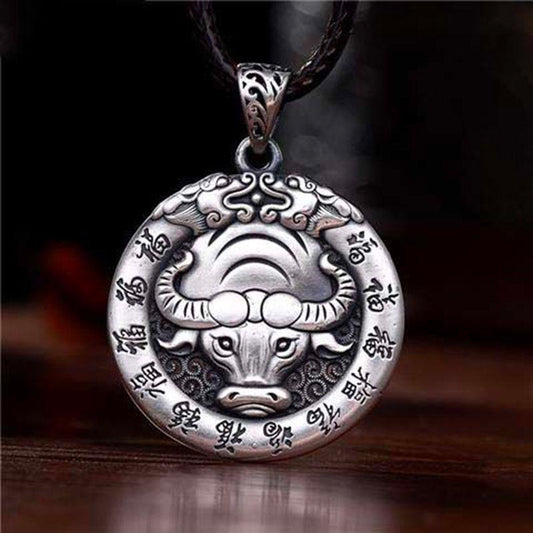
Bat motifs are found across many media: carved jade pendants and amulets, metalwork belt-hooks, ceramic dishes, textile embroidery and more. Because of their auspicious meaning, they were especially popular in items given as gifts, worn by aristocrats, or used in festive decoration. :contentReference[oaicite:4]{index=4}
In the case of jewellery and pendants, a bat design might appear singly or in a group of five; sometimes paired with other symbols such as peaches (symbol of immortality), bats + peaches representing “blessings + longevity.” :contentReference[oaicite:5]{index=5}

4. Colour, placement & accessory symbolism
The symbolic power of the motif was reinforced by colour and placement. Bats were often depicted in red (a colour of joy and auspiciousness) or gold against cloud or peach backgrounds. :contentReference[oaicite:6]{index=6}
Moreover, bat motifs in certain arrangements conveyed more nuanced meaning: for example, five bats above a vase or peach represented “may the five blessings arrive.” :contentReference[oaicite:7]{index=7}
Because of this rich symbolism, designers of jewellery or decorative pieces could embed multiple layers of meaning: when a customer wears a bat-pendant, they are literally carrying a wish for good fortune, health, longevity and virtue.
5. Cultural & historical context
The motif dates back at least to the Han dynasty (206 BCE–220 CE), and continued through later dynasties such as the Ming and Qing. One 18th-century robe featured bats flying around the longevity character as a design popular during the Qing period. :contentReference[oaicite:8]{index=8}
Over centuries, as ornamentation grew more stylised, the bat symbol moved from exact animal depiction toward more abstract, decorative forms: sometimes the wings merge into cloud-patterns, or bat figures become almost butterfly-like in porcelain decoration. :contentReference[oaicite:9]{index=9}

6. How modern jewellery and pendants can draw from the bat motif
For a modern accessory brand looking to incorporate traditional symbolism (such as a Shopify store focusing on metaphysical or culturally-inspired items), the bat motif offers rich inspiration. Here are some guidelines:
- Design with intention: A bat motif or a group of five bats can be used in a pendant to symbolise “five blessings” — ideal for a gift piece promising good fortune, health and longevity.
- Material choice: Consider materials traditionally favored in Chinese jewellery such as jade (symbolic of purity and virtue), silver or gold, and use colours of auspicious significance (e.g., red details, gold highlights).
- Combine symbols: For richer storytelling, pair the bat motif with peaches, clouds, or the longevity character (寿) — all of which communicate added layers of meaning.
- Description & storytelling: On your product page, include narrative text explaining the symbolism (“The bat motif here evokes the homophone fú, blessing – and five-bats together call forth the Five Blessings of a good life”). This helps customers engage with the deeper story behind the design.
- Care & authenticity: Provide material authenticity (e.g., jade grade, metal type), and care instructions — but also emphasise the cultural meaning, turning the piece into not just an accessory but a meaningful token.
7. SEO considerations for your store
When creating product pages or blog content around such designs, ensure you optimise for relevant search terms: “Chinese bat pendant”, “五福 蝠 pendant”, “auspicious bat jewellery”, “five bats charm good fortune”, etc. Use the keywords in the title, meta-description, image alt text, and within the descriptive body text. Also link to blog articles explaining the symbolism, which adds depth and boosts SEO value.
8. Concluding thoughts
The humble bat has flown a long way from being an animal of the night into becoming an enduring symbol of fortune in Chinese culture. Embedded in ornaments across jewellery, textiles and decorative art, the motif carries wishes for longevity, virtue, health, wealth and a peaceful end. For a jewellery collection rooted in meaning, the bat motif provides both aesthetic appeal and cultural depth — a perfect bridge between ancient auspicious symbolism and modern accessory design.
Thank you for exploring the symbolic world of the bat in ancient Chinese ornamentation. May your creative journey bring you many blessings — 五福临门 (“May the Five Blessings arrive at your door”).