Tassels, with their flowing silk threads and elegant sway, are more than mere ornaments in Chinese culture. They carry centuries of history, embodying wishes for good fortune, protection, harmony, and elegance. From the imperial courts to everyday life, tassels have adorned clothing, jewelry, and ceremonial objects — each movement telling a story of beauty, wisdom, and blessing. In this article, we explore the rich cultural meaning of tassels and why they remain a cherished symbol in modern Chinese art and fashion.

Origin and Cultural Background of Tassels
Tassels have a long history in Chinese culture, appearing as early as the Pre-Qin period. They were originally used on ceremonial hats, ornaments, jade pendants, weapons, and chariots. Tassels are made from silk threads, lightweight and flowing, symbolizing elegance, grace, and vitality.
In ancient Chinese courts and rituals, tassels were not merely decorative; they also represented rank and status. For example:
- Imperial tassels on the emperor’s crown (called “liu”) symbolized attentiveness and moral governance;
- Civil and military officials wore tassels to signify virtue and authority;
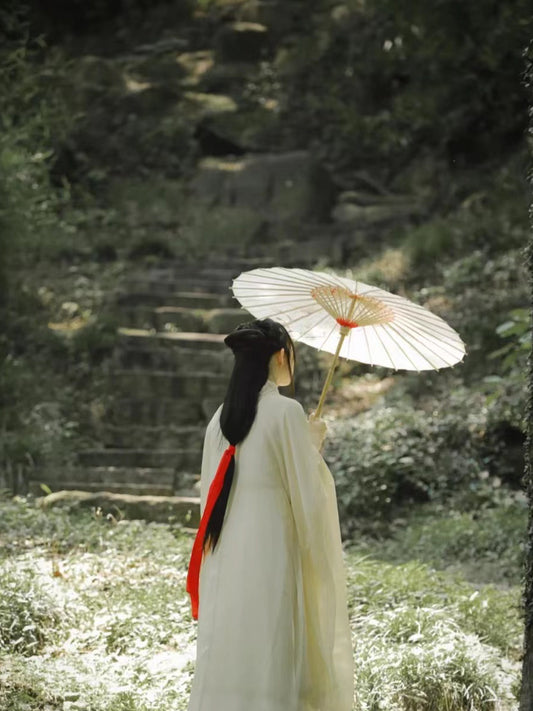
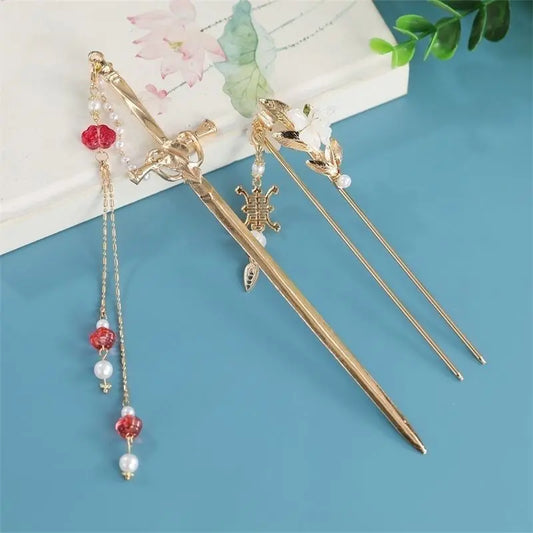
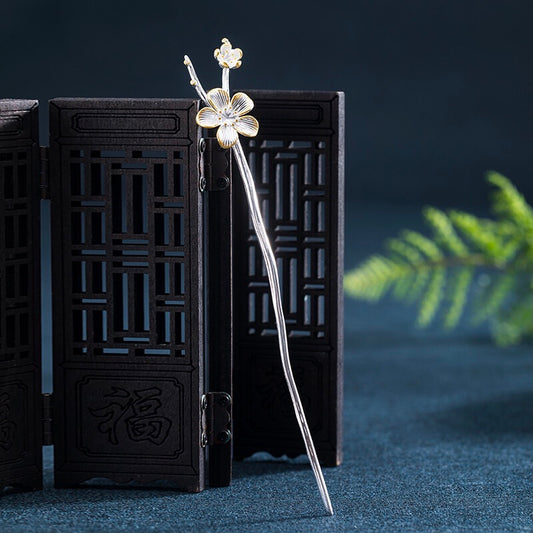
- Women in daily life wore tassel hair ornaments to represent elegance, gentleness, and blessings of good fortune.
Auspiciousness and Protection
Tassels are believed to absorb positive energy and ward off negative forces. In ancient times, tassels were often hung on sachets, jade pendants, or sword handles to bring fortune and safety. Thus, tassels are commonly regarded as protective charms and symbols of good luck.
Connection and Completeness
Tassels are typically made from one main cord with multiple silk threads branching downward, symbolizing connection and harmony. They represent family unity, emotional bonds, and generational continuity. In weddings, red tassels are especially popular, symbolizing lasting marital harmony and love.
Elegance and Wisdom
Lightweight and flowing, tassels move gracefully with the wind, symbolizing feminine beauty and subtlety. Their orderly motion reflects the idea of “gentleness with control,” symbolizing wisdom and measured conduct. This aligns with the traditional Chinese philosophy of “overcoming strength with softness.”
Wealth and Prosperity
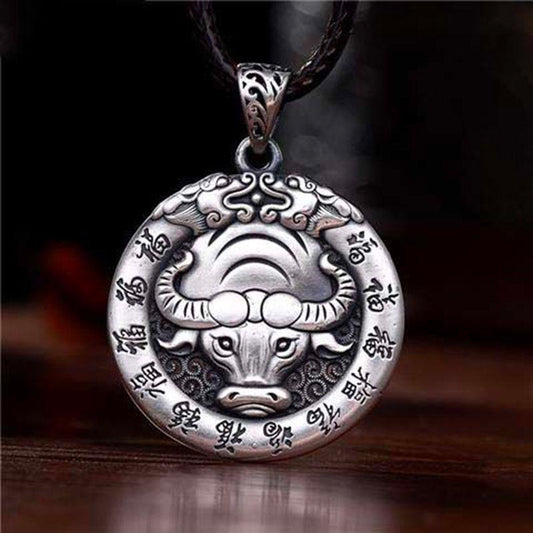
Historically, tassels were made of silk, gold thread, or even adorned with pearls and jade, often used in palaces and by nobility. Therefore, they also symbolize wealth, honor, and auspiciousness. Today, tassels are used on seals, jade pendants, and decorative charms to signify fortune and prosperity.
Symbolism of Tassel Colors
In Chinese culture, different colors of tassels carry specific meanings:
| Color | Symbolism |
|---|---|
| Red | Celebration, good luck, love, longevity |
| Gold / Yellow | Wealth, authority, brightness |
| Green | Vitality, safety, health |
| Blue | Peace, wisdom, serenity |
| White | Purity, elegance, remembrance |
| Purple | Nobility, mystery, auspiciousness |
The Modern Continuation of Tassels
Today, tassels are not only traditional ornaments but also cultural symbols that continue to convey meaning:
- On jade pendants, crystal jewelry, and prayer beads, tassels symbolize energy flow and protection;
- On bookmarks, charms, and sachets, tassels represent inspiration, wishes, and fulfillment;
- In fashion and home décor, the gentle sway of tassels adds elegance and expresses Eastern aesthetic charm.
Conclusion
In summary, the beauty of tassels lies in their gentle strength and graceful motion. Their cultural symbolism includes good fortune, harmony, connection, and protection.
Whether hanging from jade pendants, adorning bracelets, or embellishing clothing, tassels express the Chinese desire for peace, happiness, and harmony with their soft, flowing movement.
Tassels embody:
- 🌿 Good fortune and safety
- 💞 Connection and completeness
- 💎 Elegance and wisdom
- 🏮 Wealth and nobility