The Chinese Zodiac, also known as the Twelve Zodiac Animals, is one of the most recognizable cultural systems in traditional Chinese civilization. More than a calendar cycle, it reflects ancient philosophy, folklore, symbolic traditions, and cultural beliefs that continue to influence modern life today.
Introduction to the Chinese Zodiac

The Chinese Zodiac consists of twelve animals — Rat, Ox, Tiger, Rabbit, Dragon, Snake, Horse, Goat, Monkey, Rooster, Dog, and Pig — each associated with one of the Twelve Earthly Branches used in the traditional Chinese calendar.
For thousands of years, the zodiac system has shaped New Year traditions, folk beliefs, naming customs, art, jewelry, and cultural identity. Each zodiac animal carries symbolic meanings connected to personality, fortune, protection, harmony, and prosperity.
The Origins and History of the Chinese Zodiac

Scholars generally agree that the origins of the Chinese Zodiac date back to ancient China during the pre-Qin period. Archaeological discoveries such as the Qin Dynasty bamboo slips from Shuihudi and Fangmatan revealed early connections between animals and the Twelve Earthly Branches.
The earliest complete written record matching today’s zodiac sequence appeared during the Eastern Han Dynasty in the philosophical work Lunheng by Wang Chong.
Main Theories of Origin
- Totem Worship Theory: Zodiac animals originated from ancient tribal animal worship and spiritual symbolism.
- Astronomical Theory: The zodiac system evolved alongside ancient Chinese observations of stars and constellations.
- Jupiter Cycle Theory: The 12-year orbital cycle of Jupiter influenced traditional timekeeping.
- Native Chinese Origin Theory: Modern archaeology strongly supports that the zodiac system developed within Chinese civilization rather than being imported.
Why Are the Zodiac Animals Ordered This Way?
One of the most famous folk legends explains that the Jade Emperor or Yellow Emperor held a great race to determine the order of the zodiac animals.
The clever Rat secretly rode on the Ox’s back and jumped ahead at the finish line, becoming the first zodiac sign. The Pig arrived last because of its slow and leisurely nature.
Ancient scholars also connected the zodiac sequence to animal behavior patterns during different hours of the day:
| Zodiac Animal | Chinese Time Period | Traditional Meaning |
|---|---|---|
| Rat | 11 PM – 1 AM | Activity, intelligence, adaptability |
| Ox | 1 AM – 3 AM | Diligence and endurance |
| Tiger | 3 AM – 5 AM | Strength and courage |
| Rabbit | 5 AM – 7 AM | Gentleness and peace |
| Dragon | 7 AM – 9 AM | Authority and prosperity |
| Snake | 9 AM – 11 AM | Wisdom and rebirth |
The Symbolic Meanings of the 12 Chinese Zodiac Animals
| Zodiac | Symbolism | Cultural Meaning |
|---|---|---|
| Rat | Intelligence | Wealth and adaptability |
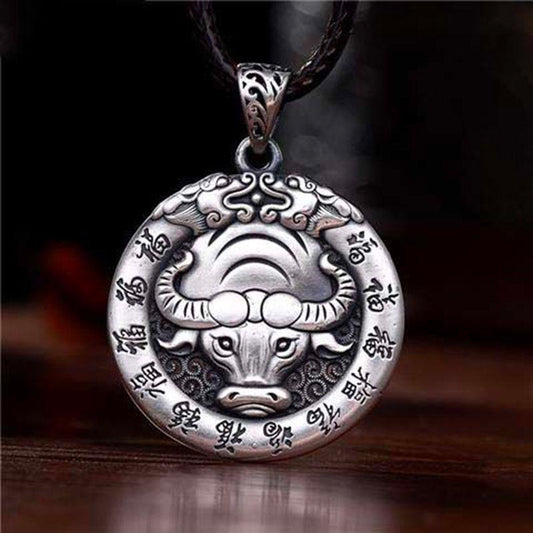
| Ox | Hard Work | Agricultural prosperity |
| Tiger | Power | Protection against evil spirits |
| Rabbit | Peace | Longevity and grace |
| Dragon | Authority | Imperial power and success |
| Snake | Wisdom | Transformation and immortality |
| Horse | Freedom | Energy and loyalty |
| Goat | Harmony | Good fortune and kindness |
| Monkey | Cleverness | Career success and promotion |
| Rooster | Punctuality | Honesty and luck |
| Dog | Loyalty | Protection and faithfulness |
| Pig | Abundance | Prosperity and happiness |
Explore Traditional Chinese Zodiac Jewelry & Cultural Gifts
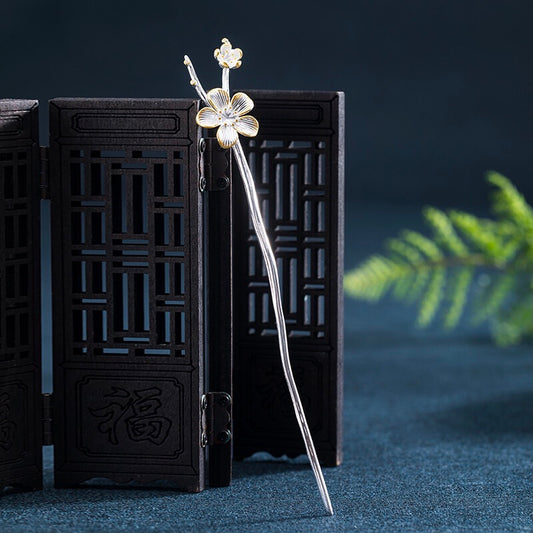
Zodiac-inspired jewelry and symbolic accessories remain popular across the world today. Many people wear zodiac bracelets, jade pendants, and cultural talismans to express identity, celebrate heritage, and carry meaningful symbols in daily life.
Frequently Asked Questions
What are the 12 Chinese Zodiac animals?
The 12 Chinese Zodiac animals are Rat, Ox, Tiger, Rabbit, Dragon, Snake, Horse, Goat, Monkey, Rooster, Dog, and Pig.
How is the Chinese Zodiac determined?
The Chinese Zodiac is traditionally determined by a person’s birth year according to the Chinese lunar calendar.
What does the Dragon symbolize in Chinese culture?
The Dragon symbolizes authority, success, prosperity, and strength. It is considered one of the most auspicious symbols in Chinese tradition.
Why does the Chinese Zodiac have 12 animals?
Ancient Chinese timekeeping divided cycles into twelve Earthly Branches. Over time, twelve animals became associated with these cyclical divisions.
Is the Chinese Zodiac still important today?
Yes. The Chinese Zodiac continues to influence festivals, art, jewelry, naming traditions, popular culture, and family customs across many Chinese communities worldwide.
Conclusion
The Chinese Zodiac is far more than a traditional calendar system. It represents a living cultural heritage that combines mythology, astronomy, philosophy, symbolism, and folk customs.
From ancient bamboo slips to modern New Year celebrations, the Twelve Zodiac Animals continue to shape storytelling, traditions, artistic expression, and cultural identity throughout the Chinese-speaking world and beyond.
References
- Cao Yansheng. The Origin of the Chinese Zodiac Calendar. Inner Mongolia Social Sciences, 1995.
- Baidu Encyclopedia. Chinese Zodiac.
- People’s Forum Network. Exploring Traditional Chinese Zodiac Culture, 2025.
- People.cn. The Origin of the Chinese Zodiac, 2015.
- Chinese Zodiac and Totem Worship. Social Science Front, 1994.
- Mao Zongze. The Origins of the Chinese Zodiac. Xiling Press, 1999.
- Yin Wei. Cultural Zodiac. Cultural Relics Press, 2004.
- The Origins and Cultural Attributes of the Zodiac. Central Plains Culture Research, 2013.
```