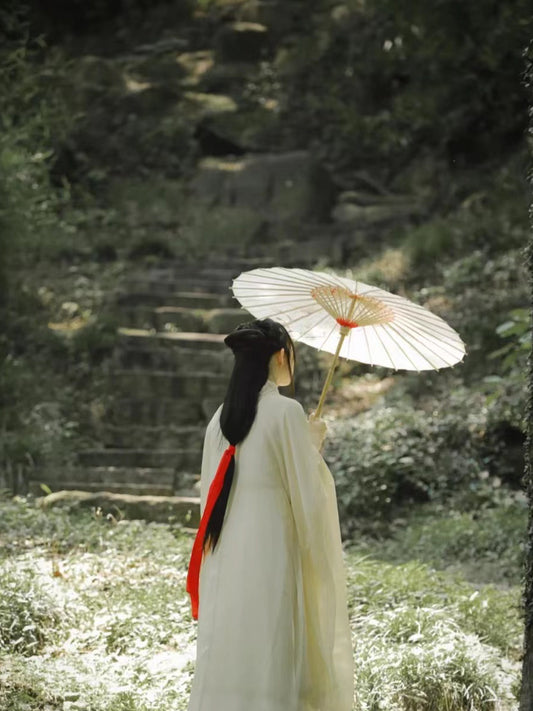
The Lhoba people are one of China's smaller-population ethnic groups, with communities concentrated in the forested valleys and mountain districts of southeastern Xizang. Their cultural life cannot be reduced to a single costume or custom. It includes diverse local speech varieties, oral epics, genealogical memory, bamboo weaving, mountain agriculture, distinctive forms of dress, and knowledge shaped by steep terrain and changing seasons.
| Topic | At a glance |
|---|---|
| Name | Lhoba, also written Luoba in some older English-language sources |
| Main region | Southeastern Xizang, especially mountain valleys and forest environments |
| Language | Several related local varieties generally classified within the Tibeto-Burman branch |
| Traditional livelihoods | Mountain farming, gathering, hunting traditions, animal husbandry, bamboo work, and exchange |
| Notable heritage | Oral epics, origin narratives, genealogies, songs, dances, weaving, and ecological knowledge |
| Important caution | There is no single universal Lhoba costume, dialect, or ritual system |
What Does Lhoba Mean, and How Is It Pronounced?
In English, Lhoba is often pronounced approximately as "LOH-bah." Romanization varies, so readers may also encounter Luoba. The term is an umbrella ethnonym rather than the name of one completely uniform community. Local identities, self-designations, dialects, and customs may be more specific.
This distinction matters. A useful introduction should explain broad cultural patterns without pretending that one village represents everyone. When captions, museums, or commercial descriptions label an object simply "Lhoba," it is worth asking where it came from, when it was made, and which community used it.
Who Are the Lhoba People?
The Lhoba are one of the ethnic groups recognized by China. Their communities are associated especially with southeastern Xizang, including areas around Mainling, Medog, Zayu, and Lhunze. These districts contain dramatic differences in altitude, rainfall, vegetation, and access. Snow mountains, river valleys, humid forests, and cultivated terraces may all appear within the wider region.
That ecology has shaped food, clothing, architecture, transport, and seasonal work. It has also encouraged strong local variation. Communities separated by ridges and rivers developed distinct speech forms and material traditions while maintaining exchange with neighboring peoples.
History, Migration, and Community Memory
Much Lhoba history has been transmitted through oral narratives rather than a single continuous written chronicle. Origin stories, ancestral genealogies, migration accounts, ritual speech, and epic songs preserve ideas about kinship, place, hardship, and moral conduct. These traditions are historical sources, but they should be read according to their own purposes: an epic may combine memory, cosmology, poetry, and community values.
Older livelihood patterns included farming, gathering, hunting, animal keeping, and exchange across mountain routes. Production and settlement changed over time as transport, education, public services, markets, and modern housing expanded. The result is not a simple replacement of "old" culture by "new" culture. Many families now combine contemporary work and education with festival dress, oral performance, food knowledge, and craft practice.
Lhoba Languages and Oral Literature
Lhoba speech varieties are generally placed within the Tibeto-Burman branch of the Sino-Tibetan language family. They are not necessarily mutually identical, and language use can differ across communities. Tibetan and Mandarin may also be used in education, administration, trade, and communication with neighboring populations.
Historically, Lhoba communities did not share one universally used traditional indigenous writing system. This helped make oral transmission especially important. Skilled storytellers and singers carried long narratives, genealogies, proverbs, work songs, love songs, and ritual knowledge. The Abadani cycle, often described in cultural sources as an important ancestral or creation narrative, is one example of this rich oral inheritance.
Oral heritage changes when it moves into books, recordings, museums, or digital archives. Documentation can protect fragile knowledge, but a recording is not the same as a living performance. Meaning also resides in the performer, audience, season, setting, and local language. Responsible preservation therefore includes community participation and careful attribution.
Lhoba Clothing, Materials, and Adornment
Lhoba clothing varies by place, gender, age, occasion, and period. Historical descriptions mention locally available plant fibers, wool, hides, woven cloth, cane or bamboo hats, beads, shells, and metal ornaments. Practical mountain garments protected the body from rain, cold, vegetation, and strenuous travel. Festival clothing could communicate beauty, skill, family resources, or community identity through layered color and ornament.

Metal disks, necklaces, bracelets, beads, and decorative fasteners often attract the most attention in photographs. Yet jewelry should be understood as part of a complete material system, not isolated decoration. Its significance depends on local use, provenance, and context. Modern stage clothing and tourist presentation may borrow historical visual cues while changing proportions, materials, or combinations.

When identifying a garment, look beyond color. Ask about fiber, weaving structure, cut, fastening, headwear, jewelry, and the community where it was worn. This is more accurate than treating every black garment with bright trim as ethnically interchangeable.
Food, Agriculture, and Seasonal Knowledge
Traditional foodways reflect altitude and local ecology. Grain cultivation, vegetables, gathered plants, meat, and fermented or preserved foods have all played roles, though the balance differs from valley to valley. Families developed practical knowledge of rainfall, flowering, bird behavior, soil, forest resources, and river conditions.
Accounts of a Lhoba phenological calendar show how seasonal work could be organized through environmental signs rather than abstract dates alone. Plant growth, animal activity, temperature, and water levels helped indicate when to sow, gather, travel, repair houses, or prepare for colder weather. Such knowledge is neither primitive nor merely picturesque; it is a detailed system of observation developed through generations.
Modern transport and retail have widened diets, while local foods remain important to memory and hospitality. Visitors should avoid describing unfamiliar dishes as exotic spectacles. Asking how ingredients are grown, preserved, and shared produces a more respectful understanding.
Bamboo Weaving and Everyday Craft
Bamboo and cane are especially useful in humid mountain environments. Artisans make baskets, containers, carrying tools, mats, and other household objects by selecting, splitting, smoothing, and interlacing plant material. The finished object reveals knowledge of flexibility, load, ventilation, and durability.
A basket is therefore both practical technology and design. Its weave responds to what it must carry, how it sits against the body, and how quickly it should dry. Craft preservation works best when younger makers can learn the full process, not only produce a decorative surface for sale.
Homes, Fireplaces, and Mountain Settlement
Traditional dwellings were adapted to local climate and available materials. Timber, bamboo, earth, and stone could be combined in different ways. Raised or ventilated construction was useful in wetter locations, while roof form, wall thickness, and the organization of storage responded to rain, cold, smoke, crops, and animals.

The hearth historically served more than one function: cooking, warmth, drying, conversation, and hospitality gathered around it. Yet contemporary homes may use electricity, modern kitchens, concrete, glass, and new heating systems. Cultural continuity does not require people to remain in uncomfortable or unsafe buildings.
Festivals, Song, Dance, and Community Gathering
Festivals bring together food, dress, music, dance, sport, storytelling, and visits between relatives. Some celebrations follow agricultural or local ritual calendars. The exact name and form of an event may vary, so it is better to identify the location and community than to publish one generic festival description.

Group singing and dance strengthen relationships because participation matters as much as performance. Lyrics may preserve local history, express affection, praise work, or turn social experience into humor. Public cultural festivals also create opportunities for transmission, although stage versions may be shorter and more standardized than village practice.
Beliefs, Nature, and Social Values
Historical Lhoba belief systems have included ideas about spirits, ancestors, mountains, forests, illness, and ritual specialists. Contact with neighboring religious traditions also shaped local practice. No short description applies equally to every family, and present-day beliefs are diverse.
Social values are often easier to discuss responsibly than declaring one fixed theology. Respect for elders, kinship obligations, courage, generosity, practical knowledge, and hospitality appear repeatedly in cultural accounts. Stories teach listeners how people should behave toward relatives, guests, animals, and the landscape.
Lhoba Life Today and Cultural Preservation
Contemporary Lhoba life includes schools, roads, mobile communication, tourism, public cultural programs, new occupations, and greater access to healthcare and markets. Young people may study or work away from their home communities while remaining connected through festivals, family networks, language, food, and digital media.

Preservation projects increasingly record oral literature, traditional music, craft processes, vocabulary, and community histories. Digital tools can make materials searchable and accessible, but ethical questions remain: Who controls the recording? Is the speaker credited? May sacred or private knowledge be published? Can community members use the archive themselves? Strong preservation answers these questions with local participation.
Tourism and online visibility can create income, but they can also flatten diversity into a costume stereotype. Cultural products should be accurately labeled, living artisans should be credited, and illustrative imagery should not be presented as an ancient photograph.
How to Visit Lhoba Communities Respectfully
- Ask before photographing people, homes, rituals, or private objects.
- Follow local guidance about forests, sacred places, and community events.
- Do not assume every resident speaks the same language or follows the same custom.
- Buy directly from identified makers when possible and ask about materials and origin.
- Avoid costume play that removes ceremonial objects from their context.
- Learn the place name and the specific community rather than using only a broad ethnic label.
Modern Accessories Inspired by Beads, Metalwork, and Nature
These are contemporary Chinese-style accessories selected for visual connections to layered beads, silver-toned details, plant forms, and handcraft. They are not historical Lhoba artifacts or exact reproductions of Lhoba ceremonial jewelry.
Three Picks from Chinese Showcase
Three contemporary shop selections for readers interested in decorative design. These are not presented as documented heritage objects, community-made crafts, or religious endorsements. Check each product page for current specifications, price, and availability.

Blue Butterfly Wood Hairpin | Chinese-Inspired Hair Stick
View product details
Flower portrait face asymmetrical earrings
View product details
Chinese ancient style enamel crane brooch
View product detailsLhoba Culture Glossary
| Term | Meaning in this article |
|---|---|
| Lhoba / Luoba | English spellings used for the ethnic group discussed here |
| Oral tradition | History, narrative, song, genealogy, and knowledge transmitted through performance and speech |
| Abadani | An important ancestral or creation narrative cycle mentioned in accounts of Lhoba oral literature |
| Phenological calendar | Seasonal timing based on observed changes in plants, animals, weather, and water |
| Material culture | Clothing, homes, baskets, tools, jewelry, and other objects understood through their social use |
Frequently Asked Questions
What is the Lhoba ethnic group?
The Lhoba are one of China's officially recognized ethnic groups. Their communities are concentrated mainly in southeastern Xizang and possess diverse languages, oral traditions, crafts, and local customs.
Where do the Lhoba people live?
Many live in areas around Mainling, Medog, Zayu, and Lhunze. The wider region includes high mountains, river valleys, and humid forests.
What language do the Lhoba speak?
Lhoba communities use several related local speech varieties generally classified within the Tibeto-Burman branch. Tibetan and Mandarin may also be used.
Do all Lhoba people wear the same traditional clothing?
No. Clothing varies by community, location, age, gender, occasion, and historical period. Stage or fashion images should not be treated as one universal costume.
What are Lhoba people known for?
They are known for rich oral literature, local ecological knowledge, bamboo weaving, distinctive regional dress, song, dance, and mountain livelihoods.
What is the Abadani story?
Abadani refers to an important ancestral or creation narrative cycle in Lhoba oral tradition. Versions and interpretations may differ by community.
What food do Lhoba people eat?
Food varies with altitude and locality and may include grains, vegetables, gathered plants, meat, and preserved or fermented foods. Modern diets are increasingly diverse.
What religion do the Lhoba follow?
Historical beliefs included relationships with ancestors, spirits, mountains, and forests, alongside influence from neighboring religious traditions. Contemporary practice is diverse.
Are Lhoba traditions still practiced today?
Yes. Oral performance, festivals, dress, craft, food, and community memory continue, while education, work, housing, and technology have changed daily life.
How can visitors learn about Lhoba culture respectfully?
Use community-specific sources, ask before taking photographs, respect local guidance, support identified makers, and avoid treating illustrative costumes as documentary evidence.
Conclusion
The Lhoba people are best understood through diversity, place, and living knowledge. Mountain ecology helped shape their housing, seasonal work, craft, and food, while oral literature carried memory across generations. Today, cultural continuity exists alongside education, transport, digital preservation, modern employment, and new forms of community presentation. Respectful learning begins by rejecting a single-costume stereotype and listening for the local voices behind every object, song, and story.
References and Further Reading
- National Ethnic Affairs Commission: Overview of the Lhoba Ethnic Group
- National Ethnic Affairs Commission: Lhoba History
- National Ethnic Affairs Commission: Lhoba Customs
- The People's Government of Xizang Autonomous Region: Lhoba Oral Tradition
- Xizang Ethnic Affairs Commission: Digital Cultural Preservation
- Shannan Culture and Tourism: Lhoba Clothing