The Chinese Showcase journal Chinese culture
What Is Hanlu? The Cold Dew Solar Term
Hanlu begins in early October at 195° solar longitude. Its cool mornings mark late autumn, and its name also appears in a regional rice-weather term.
Hanlu (寒露, hánlù, Cold Dew) is the 17th Chinese solar term and the fifth in traditional autumn. It begins when the Sun reaches 195° ecliptic longitude, usually around October 7–9. The name evokes dew on colder autumn mornings. Hanlu follows the Autumn Equinox and precedes Frost Descent. [1, 2]
What the Name Cold Dew Describes
Hán means cold and lù means dew. A word about temperature distinguishes the name from Báilù, White Dew, about a month earlier. White Dew describes the light on droplets as summer recedes. Cold Dew points to the stronger chill of later autumn. The two names can describe the same kind of liquid droplets under different seasonal conditions. [1, 2]
On a clear night, the ground and leaves can cool enough for moisture to condense near the surface. If the surface stays above freezing, it can hold liquid dew. A sufficiently cold surface can acquire ice when local moisture conditions allow it. The date itself tells you where the Sun is in the yearly cycle. The drops or crystals on a particular plant depend on that night’s temperature, wind and moisture.
Cool Nights Look Different across China
China Weather Network describes Cold Dew as a season of greater contrasts between day and night across much of northern China. Cool air outbreaks and wind become more frequent in parts of the northeast and northwest. Meanwhile, the lower Yangtze region can still have bright, comfortable afternoons. The progress toward colder weather changes with elevation, latitude and exposure. A hillside catching the afternoon sun and a sheltered valley bottom can give two different impressions of the same morning. [2]
For a visible sign of the season, look at a garden in early light. Moisture collects along a leaf edge, while a dry paved path nearby may look unchanged. That close view illustrates how much a familiar sign of Cold Dew depends on the particular place and hour.
What Cold Dew Wind Means for Rice
Hánlù fēng (寒露风), or Cold Dew Wind, is an agricultural weather term used in some Chinese rice regions. It describes a cold spell that reaches late-season rice during sensitive growth stages, particularly when plants are putting out panicles and flowering. Chilling at that stage can hinder grain set and leave some grains poorly filled. Persistent cool, cloudy or wet conditions can compound the problem. [3]
The timelines of crops explain why the name covers different dates. In parts of South China, the risk can occur near Cold Dew. In the middle and lower Yangtze region, late rice may reach a vulnerable stage in September. Meteorological services still use the term Cold Dew Wind for comparable cold spells. The crop stage and measured conditions determine whether a particular episode matters. [3]
Cold Dew is also remembered for sowing, as well as harvesting. An account from Henan describes farmers harvesting summer-grown crops and then sowing winter wheat around the interval from Cold Dew to Frost Descent. A saying about early Cold Dew sowing records that regional sequence. The window for individual fields still depends on local soil moisture, crop rotation and the season’s pace. [4]
Frequently Asked Questions
When is the Cold Dew solar term?
Cold Dew starts around October 7–9, at the moment the Sun reaches 195° ecliptic longitude. It sits between the Autumn Equinox and Frost Descent.
How is Cold Dew different from White Dew?
White Dew is an early-September term at 165°. Cold Dew is an early-October term at 195°. Their names emphasize the glint of dew in early autumn and the cooler conditions later in the season.
Is frost possible during Cold Dew?
Yes. Where exposed surfaces become cold enough, frost can form during Cold Dew or earlier. The exact timing depends on local weather and terrain.
Does Cold Dew Wind always happen in October?
The timing varies across rice regions. In parts of the Yangtze basin, a chilling event can affect late rice at a sensitive stage in September. The agronomic term can still apply there.
Continue Through the Solar Terms
- Previous term: Autumn Equinox (Qiūfēn)
- Next term: Frost Descent (Shuāngjiàng)
- All 24 Chinese solar terms by season
References
- Hong Kong Observatory. The 24 Solar Terms. Calendar table for Cold Dew and 195° solar longitude.
- China Weather Network. Following the Solar Terms: Cold Dew and the Arrival of a Deeper Autumn Chill (跟着节气过日子:寒生露凝 寒露节气看哪里深秋已至寒意浓), 2024. Regional weather patterns and rice-season context.
- China Weather Network. Cold Dew Wind during the Cold Dew Solar Term (寒露节气话寒露风). Regional timing and late-rice chilling risk.
- China Meteorological News, October 9, 2023. Cold Dew feature on seasonal changes, crop harvesting and wheat sowing in Henan.
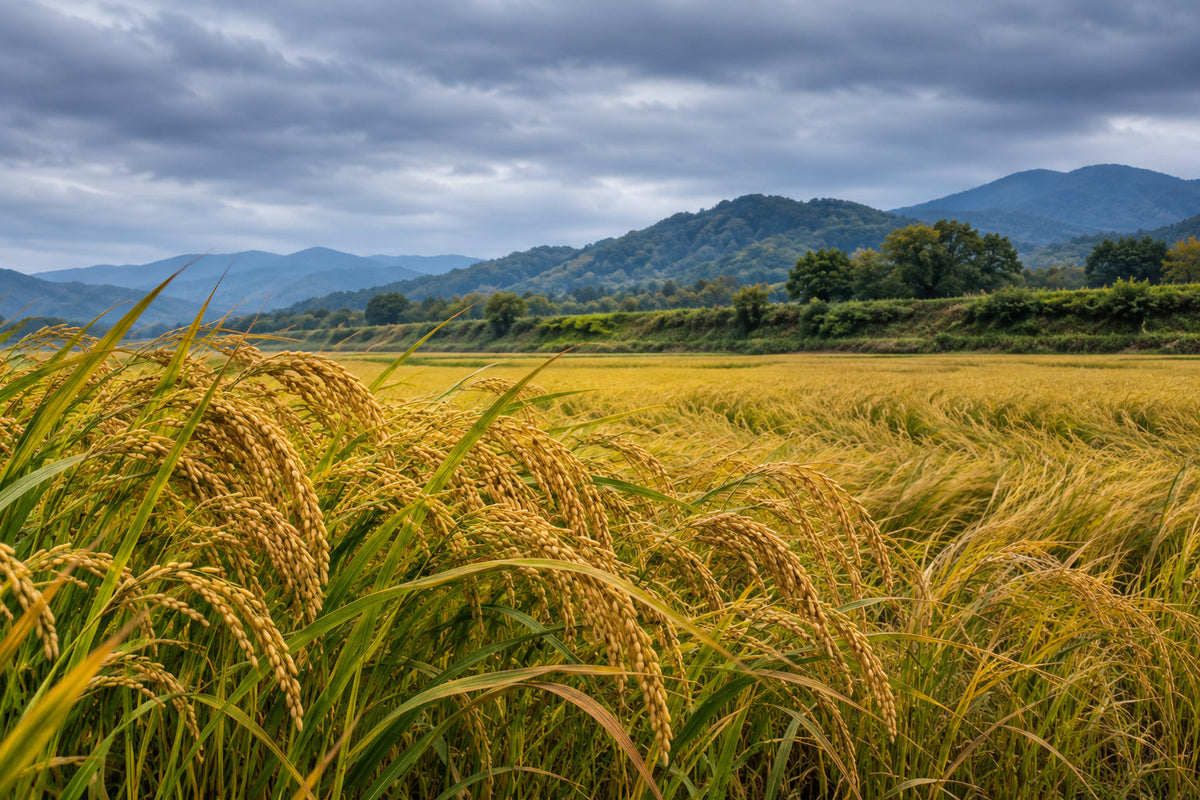
Late-season rice bends in a cool autumn wind. AI-generated cover illustration.
The 24 Solar Terms
Choose a solar term below or browse the full seasonal guide.
| Season | Solar term guides |
|---|---|
| Spring | |
| Summer | |
| Autumn | |
| Winter |
Stories, symbols and everyday objects
Our journal explores Chinese culture and design. Traditions and interpretations vary by region and source. For a purchase, use the specifications on the individual product page.
About Chinese ShowcaseQuestions or corrections? Contact us ↗