The Chinese Showcase journal Chinese culture
What Is Dashu? Major Heat and China’s Late July Traditions
Dashu marks a period traditionally associated with strong summer heat. On the coast of Zhejiang, it also sets the date for Taizhou’s Great Heat Boat observance.
Dashu (大暑, Dàshǔ), or Major Heat, is the twelfth Chinese solar term and the last of traditional summer. It usually begins around July 22 to 24 at 120 degrees of solar longitude. The term names a period associated with strong heat, and Taizhou in Zhejiang marks it with a distinctive boat observance.
What Major Heat Says About Late July
The character 大 means great or major, and 暑 refers to summer heat. The Hong Kong Observatory uses “Great Heat.” Dashu follows Xiaoshu, or Minor Heat, and precedes Liqiu, the traditional Start of Autumn. The order puts both heat terms after the year’s longest day and leaves room for warm conditions to continue into the next season.
The label describes a stage of the year. Peak temperatures can arrive earlier or later according to where you are and what the weather is doing. Coastal areas can be humid and subject to periods of heavy rain. A district under a persistent high-pressure system can experience a different stretch of summer. In Jiaojiang, the heritage record places the local observance within a season of both heat and strong rainfall, when tropical storms have long been a concern for nearby communities.
Taizhou’s Great Heat Boat
In Jiaojiang District of Taizhou, Zhejiang, communities around the Jiazhi area observe sòng dàshǔ chuán (送大暑船), or sending off the Great Heat Boat. The Chinese national heritage record describes preparations spread across the season. People build a wooden boat, and the procession takes the vessel toward the river before a send-off associated with wishes for safety. Performances and local ceremonial practices form part of the event.
The event reflects the setting in which it developed. Jiaojiang sits at an estuary, so seasonal rain, wind and the conditions of travel at sea are familiar concerns. In the ceremony, the boat gives the community a visible way to express a shared wish to pass safely through the hot and storm-prone period. The heritage record identifies this as a local tradition centered on communities in Jiaojiang.
How the Boat Observance Is Documented
The national record points to a Qing-era account by the scholar Yu Yue in his collection of notes, You Tai Xian Guan Biji (右台仙馆笔记). He described a send-off around Dashu in the place then known as Linhai. That account gives a historical point of reference for the custom. The heritage entry also records the work of building the boat and organizing a procession in the present tradition.
A solar term often brings agriculture to mind. The boat shows how a coastal community gave one calendar date a meaning tied to the water. Putting the guiding date and the local history together explains both why the observance is called Great Heat and why it takes the form of a boat.
What People Eat Around Major Heat
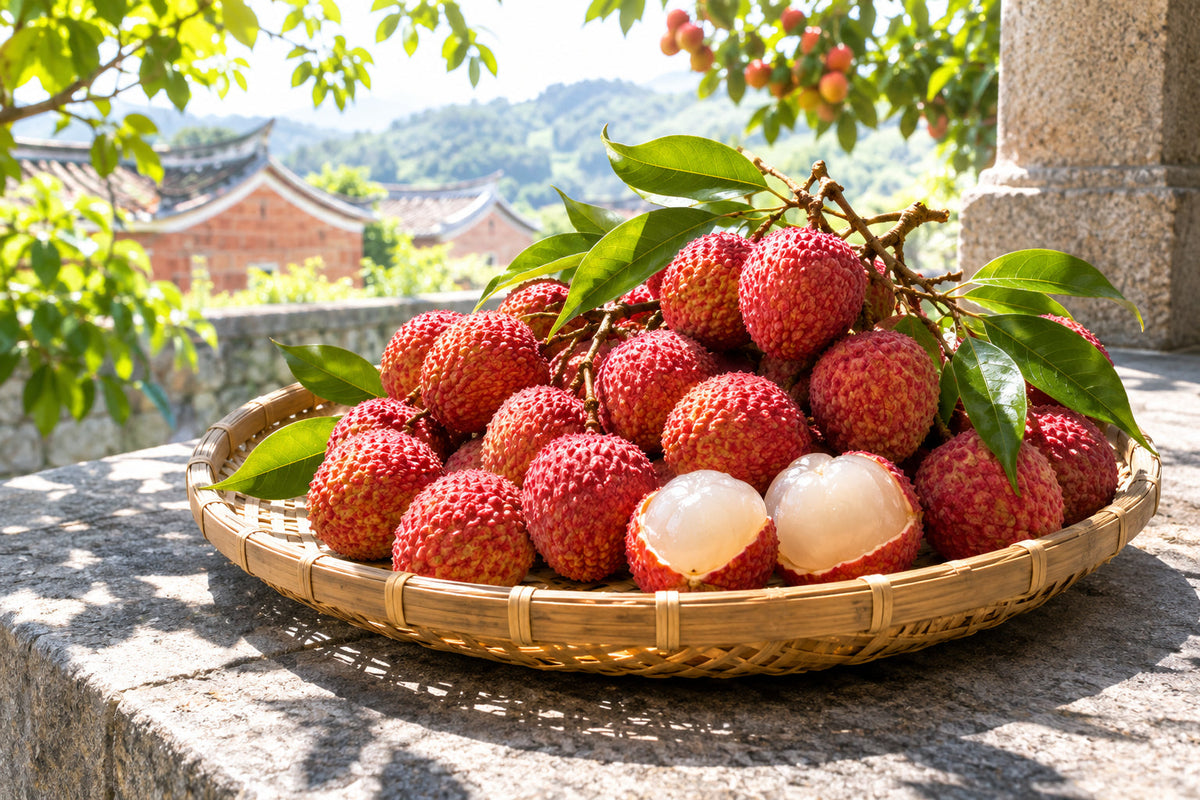
Other places mark the term at the table. Heritage accounts record lychees among the foods eaten around Dashu in Putian, Fujian. They also mention grass jelly in Guangdong and mutton soup in parts of southern Shandong. The examples range from a fresh seasonal fruit to a substantial cooked dish.
Each example reflects a local way of observing the term, with foods and customs that make sense in a specific region. Putian’s example shows the role of fruit available at that time of year, while the Shandong example centers on a prepared meal shared within a different summer food tradition. Together, these examples help explain why the same date can carry several kinds of cultural meaning.
Frequently Asked Questions
When is Dashu?
Dashu usually begins around July 22 to 24, when the Sun reaches 120 degrees of ecliptic longitude.
What is the difference between Xiaoshu and Dashu?
Xiaoshu means Minor Heat and comes first in early July. Dashu means Major Heat and follows later in the month.
Is Dashu always the hottest day?
Dashu marks a calendar period. The hottest local day depends on geography and actual weather, and can fall outside it.
Where is the Great Heat Boat tradition celebrated?
The national heritage entry documents the tradition in Jiaojiang District of Taizhou, Zhejiang, centered on communities around Jiazhi.
Continue Through the Solar Terms
- Previous term: Minor Heat (Xiǎoshǔ)
- Next term: Beginning of Autumn (Lìqiū)
- All 24 Chinese solar terms by season
References
- Hong Kong Observatory, The 24 Solar Terms and Date and Time of the 24 Solar Terms.
- China Intangible Cultural Heritage Network, The Twenty-Four Solar Terms: Sending Off the Great Heat Boat (农历二十四节气〔送大暑船〕).
- China Intangible Cultural Heritage Network, Major Heat in the Twenty-Four Solar Terms (绿树阴浓夏日长,楼台倒影入池塘).
- UNESCO Intangible Cultural Heritage, The Twenty-Four Solar Terms, knowledge in China of time and practices developed through observation of the sun’s annual motion, inscription 00647.
Ripe red lychees in bright midsummer sunlight. AI-generated cover illustration.
The 24 Solar Terms
Choose a solar term below or browse the full seasonal guide.
| Season | Solar term guides |
|---|---|
| Spring | |
| Summer | |
| Autumn | |
| Winter |
Stories, symbols and everyday objects
Our journal explores Chinese culture and design. Traditions and interpretations vary by region and source. For a purchase, use the specifications on the individual product page.
About Chinese ShowcaseQuestions or corrections? Contact us ↗