Dreaming of someone who passed away can feel unusually real. The person may be alive again, talking as if nothing happened, smiling quietly, returning home, giving you something, or asking you to follow. After waking, it is natural to wonder whether the dream was a visit, a warning, a spiritual message, or simply an expression of grief.
There is no single meaning that fits every dream. In many cases, dreams of deceased loved ones reflect memory, longing, unfinished conversations, current stress, and the mind's continuing relationship with an important person. A dream can be emotionally meaningful without being a literal prediction.
| Dream scene | Possible emotional meaning | Helpful waking-life question |
|---|---|---|
| The deceased person is alive and well | Warm memory, longing, comfort, or difficulty integrating the reality of loss | What qualities of this person do I need right now? |
| A deceased relative talks to you | Inner guidance, an unfinished conversation, guilt, or remembered advice | Does the message resemble what they taught me in life? |
| The person smiles or appears peaceful | Comfort, acceptance, and a shift toward gentler memories | Can I remember their life without focusing only on the death? |
| The person cries, looks ill, or is angry | Your own distress, regret, fear, or unresolved grief | Am I blaming myself for something I cannot change? |
| The person asks you to go with them | Exhaustion, escape wishes, fear of death, or difficulty letting go | What support or rest do I need in waking life? |
| You dream of them years after the death | An anniversary, family event, sensory cue, or current transition has revived the memory | What recently reminded me of them? |
What Does It Mean to Dream of Someone Who Passed Away?

The most direct interpretation is that the relationship still matters. Death ends physical presence, but it does not instantly erase habits, attachment, shared stories, or the role a person played in your identity. Dreams can reactivate those inner representations when your brain is processing emotion and memory during sleep.
A deceased parent may appear when you need security or advice. A grandparent may return around a holiday, family gathering, wedding, or birth. A deceased friend may appear when you encounter music, a place, a joke, or a decision associated with that friendship. The trigger may be obvious, but it can also be subtle enough that you do not notice it while awake.
The tone matters more than a fixed dream dictionary. A calm reunion may feel like emotional comfort. An argument may reveal guilt or unresolved conflict. A frightening scene may reflect the circumstances of the death, current anxiety, or a general fear of losing control. None of these scenes proves that an external event is about to occur.
What Does Zhougong Dream Interpretation Say?
In traditional Chinese dream culture, deceased relatives are often read in relation to family continuity, ancestral memory, responsibility, and unfinished concerns. A peaceful elder may be treated as a symbol of reassurance or family harmony. A distressed or silent relative may be interpreted as a reminder to examine neglected duties, unresolved disagreements, or personal conduct.
These are broad cultural themes rather than universal rules. Texts sold today under the name Zhougong Dream Interpretation come from many periods and later compilations. Different editions can give contradictory predictions for the same scene. It is therefore more responsible to use Zhougong material as cultural history and symbolic reflection, not as a timetable for fortune or disaster.
A balanced Zhougong-style reading asks: What family role did this person represent? What promise, value, or responsibility comes to mind? Is the dream encouraging you to remember what they taught you, repair a living relationship, or complete something that remains possible today?
What Does It Mean When a Dead Person Appears Alive in Your Dream?
Seeing a dead person alive in a dream is one of the most common forms of bereavement dreaming. The person may cook, work, laugh, or sit in their usual place. Sometimes the dreamer temporarily forgets that the death occurred. This does not mean the dreamer is refusing reality; it reflects how strongly the living image remains stored in memory.
If the person appears healthy after having died from illness, the dream may move attention away from a painful final chapter and back toward the fuller life that came before it. Many people find that comforting. If waking creates a renewed shock because the reunion felt real, the same dream can also intensify sadness.
Is it good to see a dead person in a dream? Emotionally, it can be comforting, painful, or both. It is not automatically good luck or bad luck. The useful question is whether the dream helps you remember with warmth or leaves you stuck in fear and self-blame.
Dreaming of Deceased Relatives Talking to You
When a deceased relative speaks, the mind may be using a familiar voice to express remembered advice. You already know how a parent, grandparent, spouse, sibling, or friend responded to certain situations. During a difficult decision, the dream can recreate that pattern as an internal conversation.
If the words are reassuring, you may be drawing on the relationship as a source of strength. If the person criticizes you, consider whether the criticism reflects your own guilt, perfectionism, or fear of disappointing the family. A dream voice is not automatically an instruction that must be obeyed.
Sometimes only the feeling remains and the words disappear after waking. That does not make the dream meaningless. The important element may have been the temporary sense of reunion rather than a coded sentence.
Common Dreams About Someone Who Died
Dreaming of Someone Who Passed Away Years Ago
Grief does not follow a straight timeline. Someone may appear years or decades later because an anniversary, birthday, family milestone, familiar smell, photograph, illness, or major choice has reopened the memory. A new life stage can also make you wonder what the person would have said or how they would have responded.
The return of a dream does not necessarily mean grief has “started over.” It may show that the relationship is being understood from a new point in your own life.
Dreaming That the Deceased Person Smiles
A peaceful face often reflects comforting memory and greater acceptance. In Chinese folk language it may be read as reassurance or blessing, while psychology would describe it more cautiously as a positive continuing bond. Either way, there is no need to force a supernatural conclusion in order to value the comfort.
Dreaming That the Person Cries or Is Angry
This scene often externalizes the dreamer's own sadness, regret, or self-criticism. You may believe you did not visit enough, say enough, or make the right choice. Ask whether the guilt reflects an action you can still address or an impossible wish to rewrite the past. Self-forgiveness does not erase love.
Dreaming That They Are Ill or Die Again
If you witnessed illness, hospitalization, an accident, or a difficult death, the dream may replay the most emotionally intense images. This is not a prediction that another person will suffer the same fate. Recurrent distressing dreams can be a sign that the experience remains difficult to process.
Dreaming That the Deceased Returns Home
Home symbolizes belonging, routine, and family memory. A person returning to their chair, kitchen, bedroom, or garden can express how strongly the physical space still carries their presence. These dreams may increase around festivals, memorial days, Qingming, family reunions, or the anniversary of the death.
Dreaming That They Give You Something
The object can represent what the person left within you. Food may suggest care, money may suggest security, a book may suggest teaching, a key may suggest responsibility, and clothing may suggest identity or protection. The symbolic question is not “Will I receive this object?” but “What did this person give me that I still carry?”
Dreaming That They Ask You for Something
Some folk traditions interpret this as a request for remembrance or ritual attention. Psychologically, it may arise from concern that you have forgotten a duty, memorial date, promise, or family custom. If a simple act of remembrance fits your values, it can be meaningful. Fear-driven spending on expensive “solutions” is unnecessary.
Dreaming That They Ask You to Follow Them
This is frightening, but it does not predict your death. It may symbolize exhaustion, escape wishes, intense longing, or anxiety about mortality. If it happens once, record the emotions and focus on rest and support. If you also have waking thoughts of dying, following the person, or harming yourself, tell someone you trust and contact a qualified mental-health or medical service promptly. The waking thoughts, not the dream prophecy, are what require attention.
Dreaming About the Death of a Loved One Who Is Still Alive
A dream of someone dying can reflect fear of loss, relationship change, separation, aging, or awareness that a familiar phase is ending. It is not evidence that the person will die. Check whether recent health news, conflict, travel, or reduced contact has made the relationship feel uncertain.
Spiritual Meaning and Different Religious Perspectives
People often describe an unusually vivid dream as a “visitation dream.” The person may seem clear, peaceful, and more present than in an ordinary dream. For some believers, that experience has genuine spiritual significance. For others, it is the mind creating a powerful sense of connection. Neither science nor a general dream article can settle a personal belief about the afterlife.
A respectful interpretation can hold two ideas at once: the experience may be spiritually meaningful to the dreamer, and it should not be used as proof of a prediction or as authority over another person's decisions.
What Does the Bible Say About Dreaming of a Dead Person?
The Bible contains important dreams, but it does not provide a universal dictionary stating that every dream of a deceased person is a visit from that person's spirit. Christian interpretations vary among denominations and individuals.
Deuteronomy 18:10-12 warns against deliberately consulting the dead, divination, and related practices. Having an involuntary dream is not the same act as intentionally seeking necromancy. A Christian disturbed by such a dream may choose prayer, reflection, and conversation with a trusted pastor rather than treating the dream as a command.
What Is the Meaning of a Dead Person Alive in a Dream in Hinduism?
Hindu traditions include diverse regional beliefs about ancestors, family duty, remembrance, karma, and ritual. Some families may understand an ancestor dream as a reminder of memory or obligation, while others view it as a normal result of emotion. There is no single interpretation shared by every Hindu school, community, or household.
Because practices differ, a person seeking a specifically Hindu religious interpretation should speak with a knowledgeable family elder, priest, or teacher from their own tradition. A search result labeled “Hindu meaning” should not be treated as a rule for all Hindus.
What Does Astrology Say?
Folk astrology and online dream dictionaries sometimes connect ancestor dreams with planetary periods, karmic themes, or omens. These systems vary widely and are not scientifically validated methods of predicting death or future events. If astrology is part of your culture, it can be used as a reflective language, but major medical, financial, or family decisions should not be based on one dream.
The Psychology of Dreaming About Deceased Loved Ones
Bereavement can affect both sleep quality and dream content. Grieving people may have difficulty falling asleep, wake during the night, or dream about the deceased. The Sleep Foundation notes the connection between grief, disrupted sleep, and dreams of a loved one.
Psychology often uses the idea of continuing bonds to describe the ways a relationship remains part of a person's inner life after death. Memories, possessions, dreams, imagined conversations, and a sense of presence can all contribute. A systematic review indexed by PubMed found that continuing bonds can involve both comfort and distress and may participate in meaning reconstruction, identity, and spiritual understanding.
This helps explain why the same dream can soothe one person and unsettle another. The effect depends on the relationship, circumstances of the death, current stress, attachment, cultural beliefs, and whether the dream supports adaptation or deepens fear.
Research on bereavement dreams has discussed possible functions such as processing trauma, maintaining connection, and regulating emotion. These are possible functions, not proof that every dream has a therapeutic purpose. A dream may also be fragmented, random, or shaped by poor sleep.
What Should You Do After Dreaming of Someone Who Died?
- Record the scene and emotion. Write what happened before details fade, especially how you felt during and after the dream.
- Look for recent triggers. Consider anniversaries, family events, photographs, music, health concerns, arguments, or major decisions.
- Separate meaning from prediction. A meaningful dream can reveal longing or values without forecasting an event.
- Choose a grounded memorial action. Share a story, organize photographs, cook a familiar meal, care for a living relative, or continue a value the person taught you.
- Protect sleep. Maintain a regular schedule and avoid spending the night reading frightening interpretations.
- Seek support when needed. Recurrent nightmares, severe guilt, persistent insomnia, inability to function, or waking thoughts of death deserve professional attention.
The goal is not to erase the person. Healthy adaptation can include remembering them while remaining engaged with present relationships and responsibilities.
About Zhougong Dream Interpretation
Zhougong Dream Interpretation is the popular name for a Chinese dream-reading tradition attributed to the Duke of Zhou. Over centuries, many symbols involving family, animals, weather, illness, death, and daily life were organized into auspicious and inauspicious categories.
Modern editions are later compilations rather than a single standardized psychological text. They are valuable for understanding Chinese attitudes toward family, fate, morality, and uncertainty, but they should not replace medical evidence, mental-health care, or direct communication with living family members.
Three Picks from Chinese Showcase
Three optional shop selections for adults who enjoy Chinese-inspired design. Decorative products do not interpret dreams or guarantee luck, health, protection, or other outcomes. Check each product page for current specifications, price, and availability.

Bamboo Knotweed And Leaf Bracelet - 999 Fine Silver
View product details
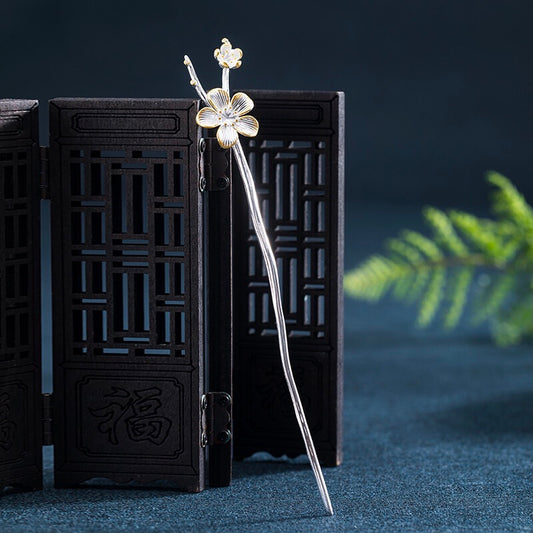
Ruyi Cloud Tassel Hairpin – Hanfu Step Shake Hair Stick for Traditional Updos | New Chinese Style Hair Accessory
View product details
Traditional Chinese Crane Ring – Oriental Art Jewelry with Pine Tree Motif and Lacquer Finish
View product detailsFrequently Asked Questions
What does it mean when a dead person appears alive in your dream?
It often means the person's living image remains strong in memory. The dream may express longing, comfort, unfinished grief, or a current need for qualities you associated with them. It does not predict another death.
Is it good to see a dead person in a dream?
It is neither automatically good nor bad. A peaceful dream may comfort you, while a distressing one may reveal grief or anxiety. The emotional effect and your waking circumstances matter more than a fixed omen.
Why am I dreaming about someone who passed away years ago?
An anniversary, family milestone, familiar place, photograph, illness, or life transition may reactivate the memory. Grief and attachment can change over time rather than disappearing on a schedule.
What does dreaming of dead relatives talking to you mean?
The conversation may recreate advice, values, criticism, or comfort associated with that relative. Treat the words as material for reflection, not an order that must be followed.
What is the spiritual meaning of seeing deceased loved ones in dreams?
Some people understand a vivid dream as a spiritual visit, while others view it as a continuing emotional bond. Personal belief can shape meaning, but the dream should not be used as certain proof or prediction.
What does the Bible say about dreaming of a dead person?
The Bible includes meaningful dreams but gives no universal rule that every deceased-person dream is a visitation. Deuteronomy warns against intentionally consulting the dead; an involuntary dream is not the same as seeking necromancy.
What does a dead person alive in a dream mean in Hinduism?
Hindu interpretations vary by school, region, and family tradition. Ancestor dreams may be connected with memory, duty, ritual, or emotion, but there is no single meaning shared by all Hindus.
What does astrology say about seeing a dead person alive in a dream?
Folk astrology offers varied karmic and omen-based readings, but these are not scientifically validated predictions. Do not base medical, financial, or safety decisions on one dream.
When someone who died visits you in a dream, is it real?
The experience can feel deeply real and may hold spiritual meaning for the dreamer. Psychology can describe memory and continuing bonds, but it cannot verify that a dream was an external visit.
What does it mean to dream about the death of a loved one?
If the person is alive, the dream often reflects fear of loss, separation, aging, conflict, or a changing relationship. It is not reliable evidence that the person will die.
Why does a deceased loved one look healthy in my dream?
Your memory may be restoring the person beyond the illness or final circumstances of death. This can help preserve a fuller, more comforting image of their life.
What does it mean if a dead person asks me to follow them?
It may reflect exhaustion, longing, fear, or a wish to escape pressure, but it does not predict death. Waking thoughts of dying or self-harm should be discussed promptly with a trusted person and qualified professional.
Can dreams of deceased loved ones help with grief?
They can bring comfort, support remembrance, or help a person process emotion, but they can also intensify distress. Research describes both effects, so the impact depends on the individual.
Should I perform a ritual after dreaming of someone who died?
You may choose a simple memorial practice that fits your beliefs, such as prayer, visiting a grave, sharing a story, or caring for family. A dream does not require expensive fear-based rituals.
Final Thoughts
Dreaming of someone who passed away usually says more about love, memory, grief, and present needs than about the future. Seeing the person alive may preserve their healthy image. Hearing them speak may draw on remembered advice. A peaceful visit can comfort you, while anger, illness, or a repeated death may reveal distress that still needs care.
Zhougong tradition, Christian readings, Hindu customs, spiritual beliefs, and psychological research offer different lenses. None should be used to frighten the dreamer or claim certainty. The most constructive interpretation is one that respects cultural belief while keeping attention on real emotions, sleep, relationships, and health.
You do not need to forget someone in order to keep living. A relationship can continue through memory, values, stories, and the ways their influence appears in your choices today.
References
- PubMed: The Impact of Continuing Bonds Following Bereavement, A Systematic Review
- Sleep Foundation: How Grief and Complicated Grief Affect Sleep
- International Journal of Dream Research: Dreams in Bereavement
- Utrecht University: Continuing Bonds and Grief, A Prospective Analysis
- Bible Gateway: Deuteronomy 18:10-12
Recommended Categories