The Nu people are one of China’s 56 officially recognized ethnic groups. Most live in the steep valleys of northwest Yunnan, especially along the Nu River. Their culture is shaped by mountain agriculture, multilingual exchange, regional clothing traditions, bamboo and textile crafts, oral song, and community festivals. There is no single “Nu costume,” language variety, or origin story: the name brings together closely connected communities—including people who identify locally as Nusu, Anu, Along, or Rouruo—whose traditions vary from valley to valley.
| At a glance | Details |
|---|---|
| English name | Nu people / Nu ethnic group |
| Chinese name | 怒族 |
| Pinyin | Nùzú |
| Population | 36,575 in China’s Seventh National Population Census data |
| Main areas | Lushui, Fugong, Gongshan, and Lanping in northwest Yunnan; smaller communities in nearby parts of Yunnan and Tibet |
| Languages | Several related but distinct Tibeto-Burman speech varieties; Standard Chinese and neighboring languages are also used |
| Notable heritage | Fairy Festival, Dabia music and dance, oral songs, bamboo instruments, weaving, and mountain stilt houses |
| Core cultural themes | River-valley adaptation, local identity, reciprocity, music, ecological knowledge, and cultural exchange |
Who Are the Nu People?
The Nu people are indigenous to a broad mountain corridor around the Nu and Lancang river systems. The largest concentration is in the Nujiang Lisu Autonomous Prefecture of Yunnan, particularly in Lushui, Fugong, and Gongshan. Nu communities also live in Lanping County and in smaller numbers in neighboring areas such as Weixi and Zayu.
“Nu” is a state-recognized ethnic category, but local identity is more detailed. Depending on location and family history, people may use names such as Nusu, Anu, Along, or Rouruo. These names matter because they reflect differences in speech, dress, ritual, and historical experience. A responsible introduction therefore describes Nu culture as a family of regional traditions rather than a single unchanging template.

Languages and Oral Identity
Nu speech varieties are generally classified within the Tibeto-Burman branch of the Sino-Tibetan language family, but they are not all mutually intelligible. Linguists often discuss several regional varieties associated with Nusu, Anu, Along, and Rouruo communities. Some speech forms show close historical contact with neighboring languages; varieties in the Gongshan area, for example, have affinities with Derung speech.
Traditionally, Nu communities did not share one widely used indigenous writing system. Knowledge was carried through speech, song, genealogy, ritual language, and everyday instruction. Today, Standard Chinese is widely used in education and public life. Lisu and other neighboring languages have also served as important means of regional communication in some places. Multilingualism is therefore not a recent exception but part of the area’s long history.
Historical Origins and Development
The history of the Nu people cannot be reduced to one migration legend. Communities formed over long periods through movement, settlement, intermarriage, and exchange in the Nu River and Lancang River regions. Chinese historical records from the Ming and later periods contain names that scholars associate with populations in this mountain corridor, although older labels do not always correspond neatly to modern ethnic categories.
For centuries, geography shaped political and economic life. Villages were separated by fast rivers, steep slopes, and seasonal hazards, yet trade routes connected them with Lisu, Derung, Tibetan, Bai, Han, and other communities. Local authority, tribute relations, religious institutions, and market exchange varied by place. In the twentieth century, roads, schools, public health programs, administrative changes, and new forms of employment drew villages into wider regional networks.
The Nu River Landscape and Traditional Homes
The Nu River—known internationally as the upper Salween—cuts through one of China’s most dramatic mountain landscapes. Villages occupy river terraces, slopes, and side valleys where farmland is limited and travel was once difficult. Families adapted by combining dry-field agriculture, gathering, animal husbandry, forestry knowledge, and exchange with neighboring settlements.
A well-known traditional house type is the qianjiao luodi, literally “a thousand feet touching the ground.” Builders used many wooden or bamboo supports to stabilize a raised structure on uneven slopes. The elevated floor helped create a drier living space, while the area below could be used for storage or livestock. The exact form depended on available materials, climate, household wealth, and local custom; not every Nu home looked the same.

Clothing, Jewelry, and Textile Traditions
Nu clothing is highly regional. Older forms often combined locally woven hemp or cotton cloth with materials acquired through trade. Women’s garments might include long skirts, tunics, aprons, striped textiles, beadwork, silver ornaments, or distinctive head coverings, but colors and cuts differ across communities. Men historically wore practical jackets, trousers, wraps, and headgear suited to mountain work and climate.
Festival dress seen today may preserve local motifs while also using modern fabrics, brighter commercial dyes, stage tailoring, or elements shared across neighboring communities. Photographs from a parade or performance should therefore be read as a record of a particular event—not as proof that every Nu person wears the same design in daily life.


Weaving and Decorative Motifs
Women have played an important role in spinning, weaving, sewing, and passing techniques between generations. Stripes can organize color rhythmically across skirts, blankets, carrying cloths, and household textiles. Geometric borders, contrasting bands, beads, shells, and metal ornaments add texture and movement. Meanings are often local or personal; it is safer to ask makers about a motif than to assign a universal symbolic interpretation.

Food Culture and Everyday Hospitality
Food reflects altitude, season, and local agriculture. Corn, buckwheat, rice, barley, potatoes, beans, vegetables, and gathered plants may all appear in Nu households, but their importance differs by valley. Pork, chicken, preserved foods, and river or mountain products are prepared according to local availability. Stone-baked cakes, grain foods, and beverages flavored with locally produced lacquer-tree oil are frequently mentioned in regional accounts.
Meals are also social. Serving food and drink can express hospitality, kinship, and mutual help during building, harvest, weddings, funerals, and festivals. Modern diets now include a much wider range of market foods, and contemporary Nu cuisine should not be imagined as isolated from the rest of Yunnan.
Fairy Festival, Marriage Customs, and Religious Life
The Fairy Festival
The best-known Nu festival is the Fairy Festival, especially associated with Gongshan communities. It is commonly held around the fifteenth day of the third lunar month. Local narratives connect the celebration with a revered female figure and with hopes for protection, fertility, water, and community well-being. Activities may include offerings, song and dance, athletic events, visits among relatives, and public cultural performances. The festival was included in China’s first national list of intangible cultural heritage in 2006.
Its meaning is not identical everywhere. Contemporary celebrations may combine village ritual, cultural display, tourism, and government-supported heritage programs. That combination makes the festival both a sacred memory for some participants and a public expression of Nu identity.
Marriage and Family
Marriage customs historically emphasized family consultation, exchange of gifts, singing, feasting, and the building of relations between households. Practices differed by community and changed with law, education, mobility, and personal choice. Today, couples may combine local ceremonies with civil registration and broader Chinese wedding customs. Descriptions of “traditional Nu marriage” should therefore be understood as historical and regional, not as rules followed by every family.
Religious Diversity
Nu religious life is plural. Indigenous traditions may involve respect for mountains, water, forests, ancestors, and protective beings. Tibetan Buddhist influence is visible in some areas, while Catholic and Protestant communities have long histories in certain villages. Families and localities may differ greatly. It is misleading to identify one belief system as the religion of all Nu people.
Dabia, Jaw Harps, Dance, and Oral Song
Music is one of the most visible forms of Nu cultural expression. The dabia is a plucked string instrument associated with singing and dancing in parts of Nujiang. Performers use repeating rhythms to accompany social gatherings and staged heritage events. Dabia dance was added to China’s national intangible cultural heritage list in 2014.
Bamboo flutes, jaw harps, and other small instruments are valued for their portability and intimate sound. Jaw-harp playing can imitate speech-like rhythms, support courtship or recreation, and create a private musical exchange. Instrument names, forms, and functions differ locally, so they should not all be treated as one standardized “Nu orchestra.”


“O Dede” and Oral Literature
Nu songs preserve stories of work, migration, love, landscape, grief, and celebration. “O Dede” is a phrase associated in recent cultural reporting with distinctive Nu singing traditions. Oral performance is not simply entertainment: it can carry vocabulary, memory, moral reflection, and knowledge of place. Because songs change with performer and context, variation is part of the tradition rather than evidence of an “incorrect” version.
Livelihoods and Modern Life
Historically, many households practiced mixed mountain agriculture and relied on forests, grazing, handicrafts, and local trade. Better roads and communications have expanded education, healthcare, wage work, tourism, online commerce, and travel. Young people may study or work in towns while maintaining ties to home villages through festivals, family obligations, and digital communication.
Tourism can create income for homestays, guides, performers, farmers, and craft makers. It can also encourage simplified or staged images of culture. The most sustainable projects involve local decision-making, fair payment, careful interpretation, and respect for sacred or private practices.
Cultural Protection and Transmission
Nu cultural preservation is strongest when living communities—not outsiders—decide what should be taught, recorded, adapted, or kept private. Current approaches include:
- supporting recognized inheritors of the Fairy Festival, Dabia dance, song, and craft traditions;
- recording endangered speech varieties and oral literature with community consent;
- teaching weaving, instrument making, and performance through workshops and schools;
- maintaining architecture and village landscapes without freezing residents into museum-like conditions;
- creating tourism and cultural products that return meaningful benefits to local people;
- helping young speakers use Nu languages in contemporary music, video, and online communication.
Places such as Laomudeng illustrate how village tourism, music, landscape, and local enterprise can interact. Preservation is not the rejection of change. It is the ability of Nu communities to shape change while retaining authority over their heritage.
How Are the Nu, Lisu, and Derung Peoples Different?
The peoples of northwest Yunnan have lived near one another for generations, so shared materials, trade goods, musical practices, and clothing influences are expected. Similarity does not erase distinct identity.
| Feature | Nu | Lisu | Derung |
|---|---|---|---|
| Main distribution | Nujiang valley and neighboring northwest Yunnan counties | Broad distribution across northwest Yunnan and other regions | Concentrated mainly in the Dulong River valley of Gongshan |
| Language | Several Nu speech varieties; substantial internal diversity | Lisu language, with regional varieties and established scripts | Derung language, closely related to some regional speech forms |
| Identity | Includes local identities such as Nusu, Anu, Along, and Rouruo | A distinct recognized ethnic group with its own history and institutions | A distinct recognized ethnic group with strong Dulong River associations |
| Cultural caution | Neighboring peoples may share visual or musical features, but garments, rituals, and artifacts should be identified by maker, place, and occasion whenever possible. | ||
Craft Connections: Bamboo as Material and Motif
Bamboo appears across southwest China as a practical material for baskets, houses, tools, and musical instruments. The following pieces are contemporary Chinese designs chosen to continue that broader material conversation. They are not presented as Nu artifacts, replicas, or ritual objects. Their value here lies in the bamboo motif and the respect it can invite for patient handwork.
Three Picks from Chinese Showcase
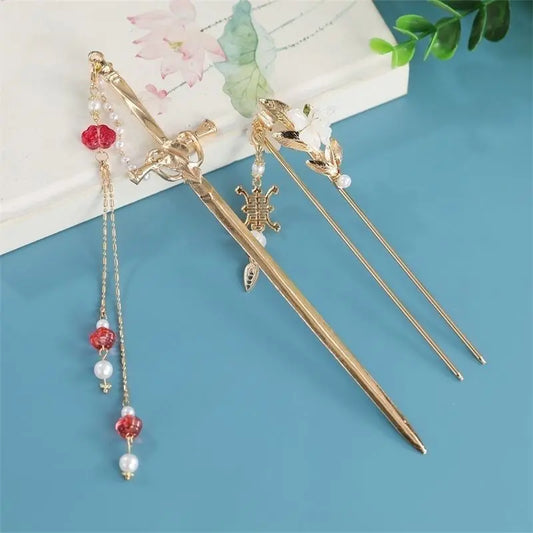
Three contemporary shop selections for readers interested in decorative design. These are not presented as documented heritage objects, community-made crafts, or religious endorsements. Check each product page for current specifications, price, and availability.

Handmade Intangible Heritage Cloisonné Velvet Bamboo Leaf Earrings with S925 Silver Hooks – New Chinese Style for Women
View product details
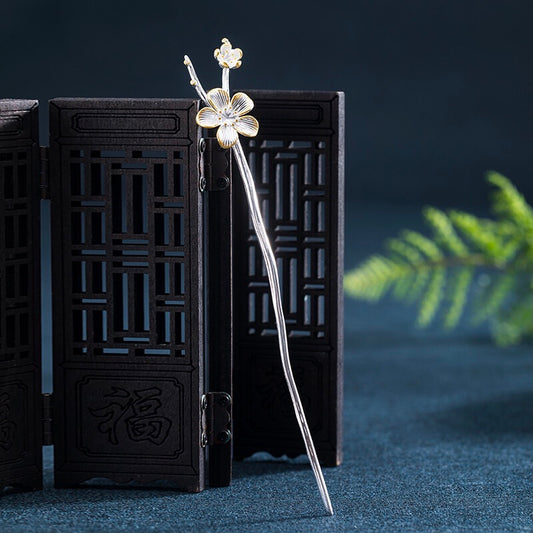
Spring Branch Dew Ebony Wood Hair Stick with Green Flowers & Pearl Accents
View product details
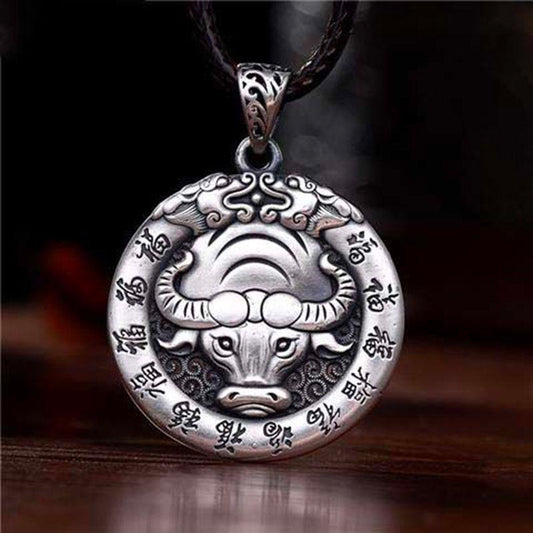
Chinese Guochao Fortune Bag Tassel Pendant with “Fu” Character – Cloisonné Enamel Lucky Charm
View product detailsFrequently Asked Questions
Where do the Nu people live?
Most Nu people live in northwest Yunnan, especially Lushui, Fugong, Gongshan, and Lanping. Smaller communities live in nearby parts of Yunnan and Tibet.
How many Nu people are there in China?
China’s Seventh National Population Census data records 36,575 Nu people. Population totals refer to the state-recognized ethnic category and do not erase regional identities.
What language do the Nu people speak?
Nu communities speak several related but distinct Tibeto-Burman varieties. Standard Chinese is widely used, and some people also speak Lisu or other neighboring languages.
What is the Nu Fairy Festival?
It is a major festival especially associated with Gongshan, usually held around the fifteenth day of the third lunar month. It combines local narratives, offerings, visits, music, dance, and contemporary public celebrations.
What is a Dabia?
A dabia is a plucked string instrument used in parts of the Nu region for singing and dance accompaniment. Dabia performance traditions vary locally.
What do traditional Nu houses look like?
A well-known form is the raised “thousand-legged” house supported by many posts on a slope. Materials and layouts vary, and modern Nu homes include many newer building types.
Do all Nu people wear the same traditional clothing?
No. Clothing differs by local identity, county, age, occasion, and historical period. Festival costumes may also use modern fabrics or stage adaptations.
Are the Nu people the same as the Lisu or Derung people?
No. They are distinct ethnic groups, although long-term contact has produced shared regional influences. Accurate identification should consider the maker, village, language, and occasion.
References
- National Ethnic Affairs Commission of the People’s Republic of China. “The Nu Ethnic Group” and related historical and cultural overview materials. Accessed August 7, 2026.
- National Bureau of Statistics of China. China Statistical Yearbook 2021, population data from the Seventh National Population Census.
- China Intangible Cultural Heritage Network. National representative project record for the Nu Fairy Festival, first national list, 2006.
- China Intangible Cultural Heritage Network. National representative project record for Nu Dabia Dance, fourth national list, 2014.
- Southwest University research and educational materials on Nu language, society, and regional culture, 2022.
- China’s Ethnic Minorities reference series, entries on Nu history, settlement, clothing, and customary culture.
- China Youth Daily. Reporting on cultural transmission, “O Dede” song, and community development in Laomudeng, 2025.