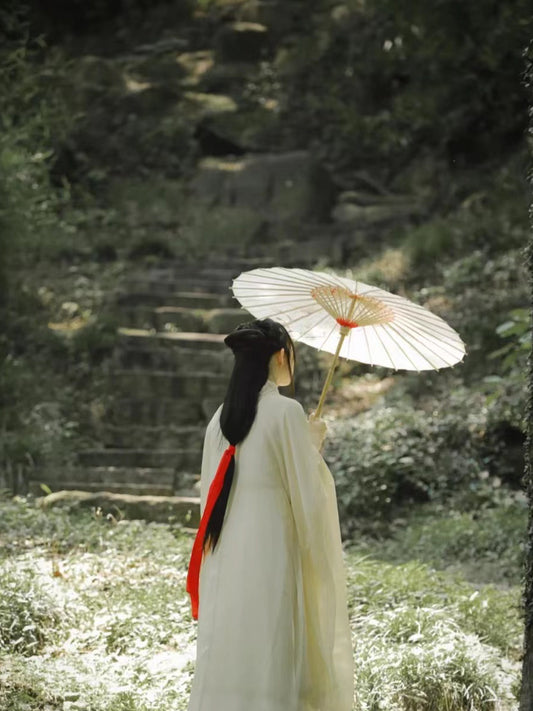
Dong culture brings together the voices of Grand Song, the shared spaces of drum towers and covered bridges, and the skilled hands behind clothing and brocade. In a Dong village, two things often leave a lasting impression: a drum tower with tier upon tier of sweeping eaves, and the rich sound of voices coming together without an accompanying orchestra.
Yet Dong culture does not live only in remarkable buildings or on a stage. It also lives in the rhythm of weaving, in the spaces where neighbors gather, and in the everyday act of one generation teaching the next to sing. Looking closely at these practices brings us beyond a collection of beautiful objects and into the lives that give them meaning.

Dong People at a Glance
| Chinese name | 侗族 |
|---|---|
| Pinyin | Dòngzú |
| English name | Dong people |
| Population in China | 3,495,993, according to the 2020 census [1] |
| Main distribution | Guizhou, Hunan, Guangxi, and Hubei; important communities include Liping, Congjiang, Rongjiang, Sanjiang, and Tongdao |
| Language | Dong, with northern and southern dialect groups [1] |
| Representative traditions | Grand Song, drum towers, wind-and-rain bridges, timber building, brocade weaving, and embroidery |
| Heritage recognition | Dong Grand Song was inscribed on UNESCO’s Representative List in 2009; Dong brocade weaving in Tongdao entered China’s national intangible cultural heritage list in 2008 [3] [6] |
Where Do the Dong People Live?
The Dong are one of China's ethnic groups, with communities concentrated mainly in Guizhou, Hunan, Guangxi, and Hubei. China's 2020 population census recorded 3,495,993 Dong people. Important areas of Dong settlement include Liping, Congjiang, and Rongjiang in Guizhou; Sanjiang in Guangxi; and Tongdao in Hunan. [1]
This geography matters. Clothing, language varieties, musical traditions, and festival practices differ between regions and villages. A garment from one place, or a song associated with a particular community, should not automatically be treated as a model for all Dong people.
A useful starting point is therefore a specific question: where does this object or practice come from? A village, maker, or occasion often tells us more than a broad ethnic label alone.
Dong Grand Song: Voices That Depend on One Another
Dong Grand Song is a tradition of multipart choral singing, generally performed without instrumental accompaniment or an onstage conductor. It was inscribed on UNESCO's Representative List of the Intangible Cultural Heritage of Humanity in 2009. [3]
Rather than following a single melody in unison, singers contribute different vocal parts. Lower voices can provide a sustained foundation while higher voices unfold above them. The effect depends not simply on individual vocal strength, but on listening, timing, and a shared understanding of how the parts fit together.
Grand Song carries stories, feelings, social etiquette, and knowledge of everyday life. Its transmission involves song teachers, singing groups, and repeated practice within communities. Learning to sing is also a way of learning how to participate. [4]
When listening, pay attention not only to the words, but also to breath, tone, and the relationship between voices. The beauty lies partly in the cooperation that makes the music possible.
Drum Towers and Wind-and-Rain Bridges
The drum tower: a place for gathering
A drum tower is an architectural landmark, but it is also a setting for public life. Depending on the village and occasion, it may host discussions, welcome visitors, provide space for singing, or simply offer a place to rest. Its importance comes from what people do there as much as from its striking roofline. [2]
The covered bridge: more than a crossing
Wind-and-rain bridges combine a route across water with a sheltered place to pause. Roofed passages and seating allow people to take cover, meet neighbors, and talk. Chengyang Yongji Bridge in Sanjiang, Guangxi, is a well-known example of this architectural tradition.
These structures connect movement with social life. A bridge helps someone reach the other side; it can also create the opportunity for an encounter along the way.

Building knowledge passed from hand to hand
Dong timber-building traditions make use of sophisticated joinery and accumulated practical knowledge. The documented tradition in Tongdao includes master builders who record measurements and construction information on a measuring rod. Skills are passed on through family teaching, apprenticeship, and work on actual buildings. [5]
Working without modern architectural drawings does not mean working without design. It reflects another system of measuring, marking, planning, and organizing a construction project.
Dong Clothing: Reading the Work in the Cloth
There is no single Dong outfit worn identically everywhere. Differences appear in the cut of a garment, the arrangement of collars and cuffs, the placement of woven or embroidered borders, and the relationship between subdued fabrics and brighter details. Everyday clothing, festive dress, and stage costumes also serve different purposes. [2]
The surface of a fabric can be as revealing as its decoration. A museum collection record for a Dong-associated piece of lustrous cloth describes dyeing, the application of egg white, and beating as part of its preparation. This is evidence for a particular collected textile, not a universal recipe followed by every Dong community. [7]
Look at how light moves across a garment, how seams are finished, and how borders frame the body. These details bring the labor of making into view. A photograph alone, however, cannot establish a textile's full production history or a person's community identity.
Dong Brocade: Patterns Built into the Weave
Dong brocade weaving in Tongdao entered China's national intangible cultural heritage list in 2008. The official project description distinguishes plain or restrained-color brocades from more colorful varieties, showing that the tradition cannot be reduced to one palette. [6]
It is useful to distinguish brocade from embroidery. In brocade, the pattern is formed during weaving through the arrangement of threads. In embroidery, stitches are added to a fabric that already exists. Both can create elaborate decoration, but their working processes are different.
When looking at a textile, follow a repeated unit across the surface. Notice how colors alternate, how a border relates to the center, and where the design leaves room to breathe. These observations offer a more grounded appreciation than assigning a fixed symbolic meaning to every shape.
Motif names and interpretations should be tied to a documented place, maker, or source. Similar-looking forms do not necessarily carry identical meanings in different communities.

Festivals and Food: Culture in Shared Life
Dong celebrations vary with locality, agricultural rhythms, beliefs, and village relationships. It is more accurate to describe the practices of a particular community than to present one festival calendar as universal. Singing, visiting, gathering, and preparing food may connect a celebration to the wider social life around it. [2]
Glutinous rice, oil tea, fish, and preserved or sour foods appear in accounts of Dong food traditions, but their importance and preparation differ from place to place. No single banquet photograph can represent the everyday diet of every Dong household.
To understand a meal, ask what its ingredients are, how they are prepared, and when it is served. Is it family food, a festival dish, or something offered to guests? The relationships around the table are part of the story.
Living Heritage Is More Than Keeping Old Objects
A song survives when people continue to learn and sing it. A textile technique remains alive when makers have opportunities to practice and teach it. A timber building needs both skilled construction and ongoing care.
Safeguarding therefore involves more than recording a performance or displaying a finished object. Teaching, documentation, and educational programs matter, but so do the language, community relationships, and everyday settings in which skills make sense. The documented transmission of Dong Grand Song makes these connections especially clear. [3] [4]

Visitors and readers can contribute by asking about provenance, seeking permission before photographing people, and distinguishing handmade work from industrial production. It is equally important not to combine the traditions of neighboring ethnic groups into an undifferentiated decorative style.
A respectful approach begins with specifics: a maker's name, a village, a technique, an occasion, and the community's own explanation.
A Culture Understood Through Connection
A drum tower gathers people. A covered bridge makes room to pause. A choir depends on voices listening to one another, while a woven pattern depends on threads working together.
Across these different forms, cooperation and the passing on of experience are recurring themes. Dong heritage is not only a collection of impressive buildings, costumes, and performances. It is also the continuing work of people making, learning, maintaining, and sharing a life together.
Common Misunderstandings
- “There is one standard Dong costume.” Garments vary by locality, occasion, and contemporary design practice.
- “All Dong music is Grand Song.” Grand Song is a particular multipart choral tradition, not a blanket name for every song.
- “Brocade and embroidery are the same.” Brocade patterns are formed during weaving; embroidery adds stitches to an existing cloth.
- “A photograph proves an object’s cultural identity.” Attribution requires information about the maker, place, technique, and use.
- “Living heritage must never change.” Teaching, practice, maintenance, and adaptation are part of cultural continuity.
Cultural Symbols and Related Craft Inspiration
The products below are modern Chinese craft items selected for broad connections to personal ornament, embroidery, and bamboo. They are not presented as Dong-made heritage objects and should not be used as evidence of traditional Dong design.
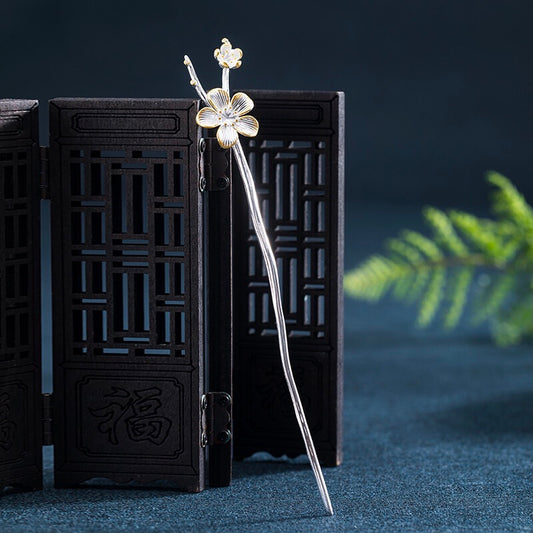 Plum Blossom Silver Hairpin
A contemporary Chinese floral hair ornament, not a reproduction of Dong ceremonial jewelry.
$46.99 DIY Chinese Embroidery Set
A hands-on introduction to stitching and layered textile construction in a modern craft kit.
$36.99 Bamboo Tea Cup Mat Set
A contemporary household object that highlights bamboo as a durable and versatile craft material.
$76.99Frequently Asked Questions
Where do the Dong people live?
Dong communities are concentrated mainly in Guizhou, Hunan, Guangxi, and Hubei. Important areas include Liping, Congjiang, Rongjiang, Sanjiang, and Tongdao.
How many Dong people live in China?
China's 2020 population census recorded 3,495,993 Dong people.
Is all Dong music Dong Grand Song?
No. Grand Song refers to a particular choral tradition. It should not be used as a blanket name for every Dong song or musical performance.
Are Dong and Miao clothing the same?
No. They belong to distinct cultural traditions, with considerable variation within each. Regional exchange can produce shared features, but ornaments or a single photograph are not enough to establish a garment's identity.
What is the difference between brocade and embroidery?
Brocade patterns are created as the fabric is woven. Embroidery adds decorative stitches to an existing fabric. Both require skill, but they are not interchangeable terms.
How can I appreciate Dong culture more deeply?
Move from a general label to a particular context. Find out where a song is sung and on what occasion, who made a garment and how, or how a village uses its drum tower. These questions connect visible beauty with lived experience.
References and Further Reading
The sources below support the geographical, musical, architectural, and textile information in this article. Most are in Chinese; English titles are provided for convenience.
- National Ethnic Affairs Commission of China. Overview of the Dong Ethnic Group.
- National Ethnic Affairs Commission of China. Dong Customs and Traditions.
- China Intangible Cultural Heritage Network. Dong Grand Song: Special Feature.
- China Intangible Cultural Heritage Network. Dong Grand Song: Congjiang.
- China Intangible Cultural Heritage Network. Dong Timber Construction Techniques: Tongdao.
- China Intangible Cultural Heritage Network. Dong Brocade Weaving Techniques.
- National Museum of Prehistory. Lustrous Cloth, Collection No. 20051600109.