
The 24 Chinese Solar Terms
The Chinese calendar marks the Sun’s annual path with 24 solar terms. Explore the dates, fieldwork and local customs that give each term its meaning.
Explore the seasons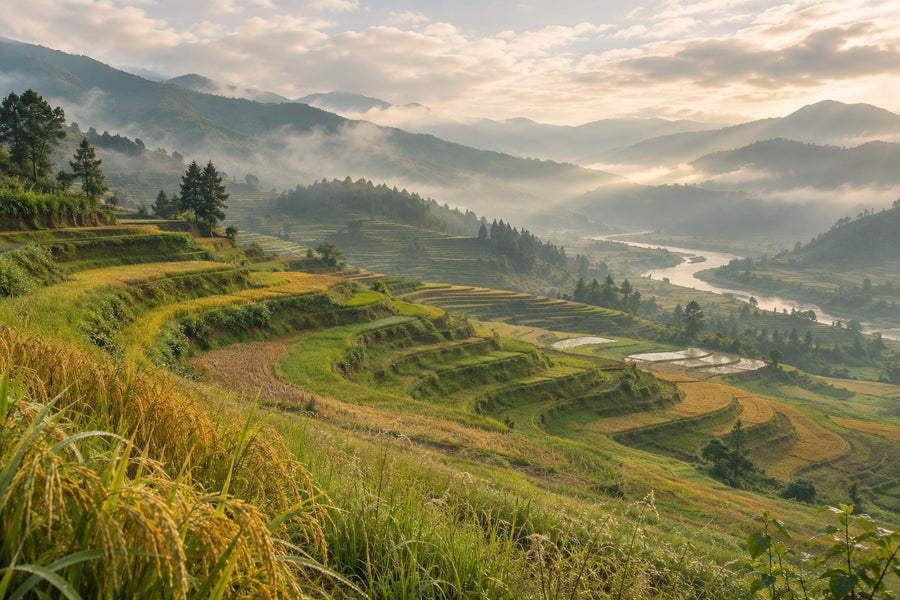
A year in 24 solar terms
Each jiéqì (节气) begins at a specific solar longitude, with 15° between terms. In the traditional sequence, six terms belong to each season. Read from the Beginning of Spring to Major Cold. Dates below are approximate Gregorian dates. For the calendar’s background, see the overview of the 24 solar terms.
Spring
February to April
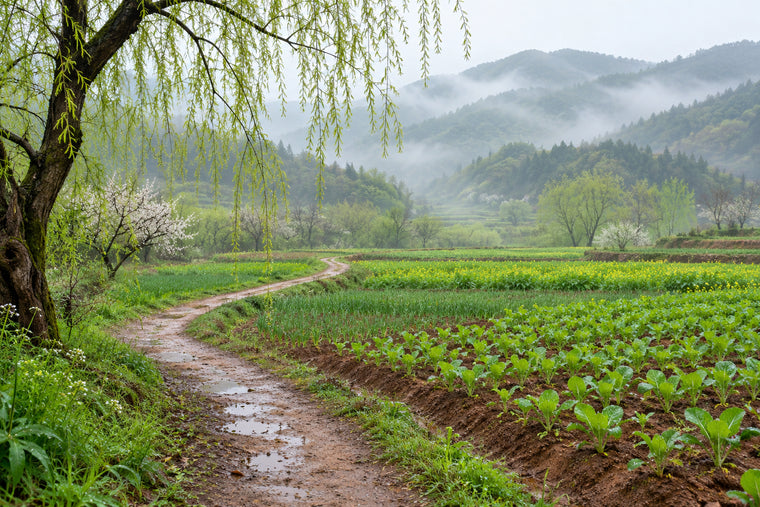
The spring terms follow the return of growth, from early thaw and rain to the work that begins ahead of summer.
- Solar term 1Feb 4 Beginning of Spring立春 The traditional start of spring and a season of preparations for cultivation.
- Solar term 2Feb 19 Rain Water雨水 Early spring showers, thawing ground and the return of soil moisture.
- Solar term 3Mar 6 Awakening of Insects惊蛰 Spring thunder and the traditional return of activity after winter.
- Solar term 4Mar 20 Spring Equinox春分 The March equinox and the midpoint of traditional Chinese spring.
- Solar term 5Apr 5 Qingming清明 A solar term and a festival associated with tending family graves.
- Solar term 6Apr 20 Grain Rain谷雨 Late spring rain, crop growth and the timing of spring tea.
Summer
May to July
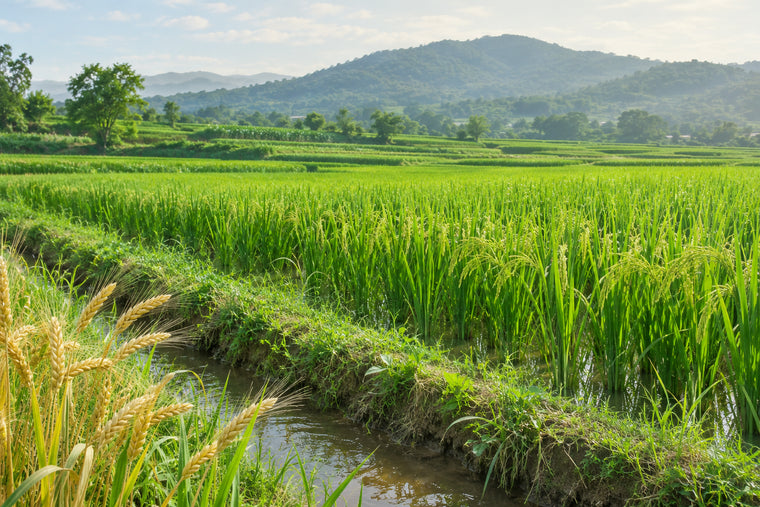
Summer terms trace maturing grain, the longest daylight and the weeks of high heat.
- Solar term 7May 5 Beginning of Summer立夏 The traditional start of summer and customs such as Hangzhou’s seasonal tastings.
- Solar term 8May 21 Grain Buds小满 Filling grain and the importance of irrigation in different farming regions.
- Solar term 9Jun 6 Grain in Ear芒种 A season of overlapping harvest and sowing tasks.
- Solar term 10Jun 21 Summer Solstice夏至 The Sun’s northernmost point and the longest daylight of the year.
- Solar term 11Jul 7 Minor Heat小暑 The onset of stronger summer heat, humidity and seasonal rain.
- Solar term 12Jul 23 Major Heat大暑 High summer and Taizhou’s local Great Heat boat tradition.
Autumn
August to October
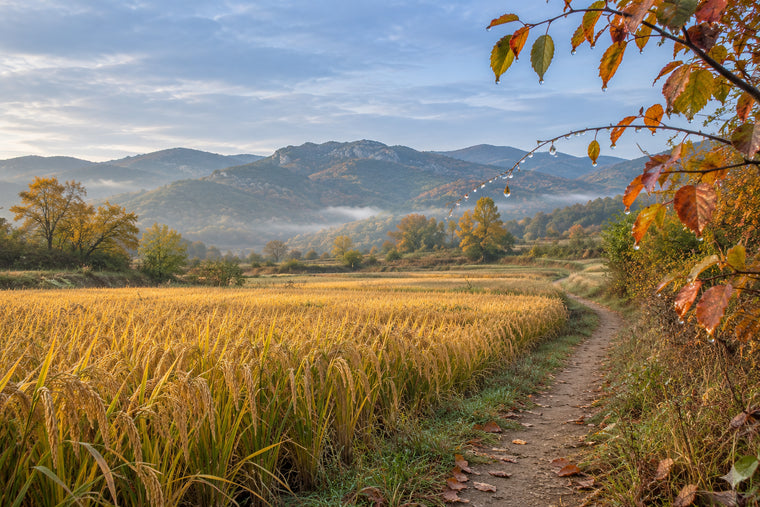
Autumn terms follow the fading heat, the harvest and the appearance of dew and frost.
- Solar term 13Aug 7 Beginning of Autumn立秋 The autumn season begins in the calendar while summer heat can persist.
- Solar term 14Aug 23 End of Heat处暑 The seasonal retreat of heat and a transition in fieldwork.
- Solar term 15Sep 8 White Dew白露 Cooler mornings and the dew that collects on exposed surfaces.
- Solar term 16Sep 23 Autumn Equinox秋分 The September equinox and the midpoint of traditional autumn.
- Solar term 17Oct 8 Cold Dew寒露 Further autumn cooling and the agricultural meaning of Cold Dew Wind.
- Solar term 18Oct 23 Frost Descent霜降 A calendar marker associated with the season’s first frosts in some regions.
Winter
November to January
Winter terms mark the shortest daylight, the change in precipitation and the cycle’s coldest season.
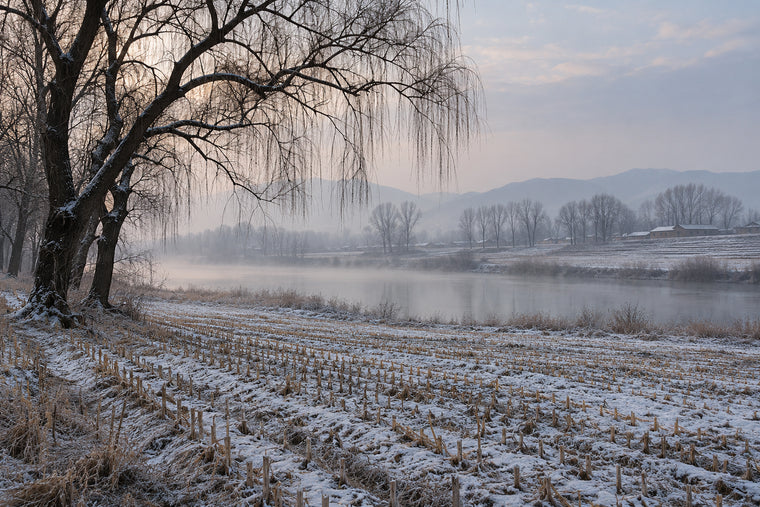
- Solar term 19Nov 7 Beginning of Winter立冬 The traditional start of winter and preparations for the colder months.
- Solar term 20Nov 22 Minor Snow小雪 Early winter’s change in precipitation and northern seasonal conditions.
- Solar term 21Dec 7 Major Snow大雪 Snow cover, winter wheat and the difference between a term and a forecast.
- Solar term 22Dec 22 Winter Solstice冬至 The shortest daylight of the year and the customs of Dongzhi.
- Solar term 23Jan 5 Minor Cold小寒 The start of a pair of midwinter terms and a season of deep cold.
- Solar term 24Jan 20 Major Cold大寒 The closing term of the annual cycle, just before spring begins.
Frequently Asked Questions
What are the 24 Chinese solar terms?
The 24 solar terms, or jiéqì (节气), mark 24 positions along the Sun’s apparent annual path. Each position is 15° from the next. The terms are used in the traditional Chinese calendar and carry observations about weather, farming and seasonal life.
Do the solar terms start on the same day every year?
Each begins at a calculated astronomical moment. Its Gregorian date can shift slightly with the year and the time zone. Check an almanac for the exact date and local time.
How do the solar terms relate to the Chinese lunar calendar?
The traditional Chinese calendar is lunisolar. Its months follow phases of the Moon, and its solar terms keep track of the year’s seasonal cycle. The principal terms help determine which lunar month is intercalary.
Is Qingming a solar term or a festival?
It is both. Qingming marks a position in the solar cycle, and families also observe the Qingming Festival by remembering ancestors and tending family graves.
Why do the same terms feel different across China?
Solar longitude is shared, while local weather and crop stages depend on place and year. A term can mark a fieldwork window on one farm, a custom in a particular town and a different change in weather elsewhere.
References
- Hong Kong Observatory. The 24 Solar Terms.
- UNESCO. The Twenty-Four Solar Terms, knowledge in China of time and practices developed through observation of the sun’s annual motion. Representative List of the Intangible Cultural Heritage of Humanity, 2016.
- China Intangible Cultural Heritage Network. The Twenty-Four Solar Terms thematic collection.
AI-generated illustrations depict seasonal landscapes.