The Chinese Showcase journal Chinese culture
What Is Xiaoman? China’s Grain Buds Solar Term
Xiaoman names the stage when summer grain is filling. Its traditions connect the development of wheat in northern fields with water, silk and work in Jiangnan.
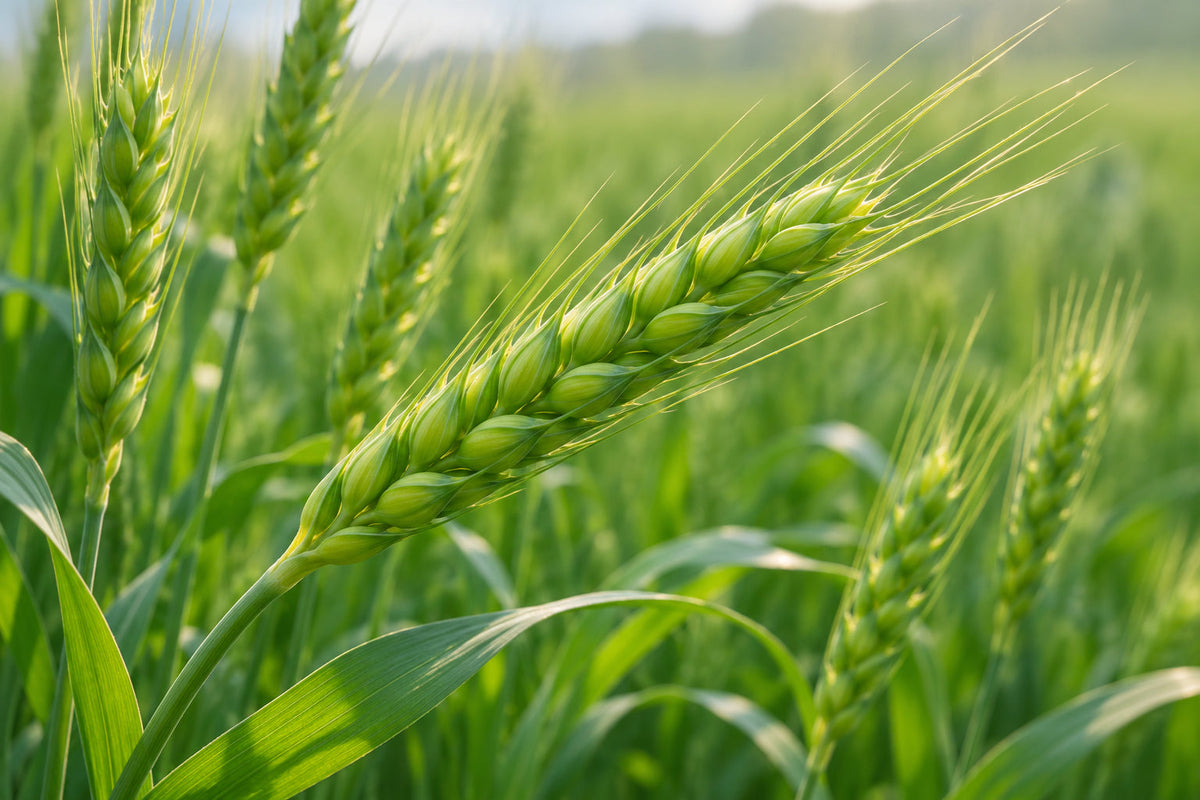
Xiaoman (小满, Xiǎomǎn) is the eighth Chinese solar term, usually around May 20 to 22. Often translated as Grain Buds or Grain Full, it refers to a period when kernels of some summer-ripening grains have begun to fill. Its name literally means “slightly full.”
What Is Filling Inside the Wheat Head?
The English phrase Grain Buds can sound like the first shoots rising from the soil. The traditional agricultural image is a later stage: a wheat head has already formed and the kernels inside it are developing. During grain filling, a kernel changes in substance and size. A field can stay green and look much the same from a distance while the grain within it is moving closer to maturity.
That difference makes the word 满, or fullness, concrete. It points to work still in progress before the grain is ready for harvest. The China Meteorological Administration’s seasonal coverage describes this stage in northern wheat fields while also noting the importance of water in southern rice districts. The Hong Kong Observatory uses “Corn Forms,” where corn is a general word for cereal grain.
Why Jiangnan Gives the Name a Different Emphasis
In parts of Jiangnan, the region south of the lower Yangtze, discussions of Xiaoman often turn to the water in fields and channels. Early summer rains can replenish ponds and irrigation supplies as some rice-growing areas begin seasonal work. Local farming sayings use the language of fullness for that supply as well as for the development of crops.
The two applications can coexist because they refer to different things in different places. A household working with rice may judge how much water is available to keep seedlings established. Wheat growers farther north are more likely to be watching the kernels on the plant. Even neighboring rice fields can have different needs if their planting dates or drainage differ. The solar term supplies a shared date, and the field supplies the details.
The Three Wheels of the Jiangnan Countryside
An old Jiangnan saying describes Xiaoman as the time when three wheels begin to turn: the silk-reeling wheel, the oil press and the waterwheel. The China Intangible Cultural Heritage Network records the expression as a description of seasonal activities. Each tool points to a different task. Reeling takes silk filaments from cocoons, oil processing uses a press, and a waterwheel helps move water for irrigation or drainage.
Some local accounts connect waterwheel work with community observances around access to water and honoring the waterwheel deity. The waterwheel belongs to a specific farming landscape, where moving water into or out of a field could matter as much as rainfall. The saying also reminds readers how much seasonal work took place beyond planting and cutting grain.
How Xiaoman Leads Toward the Early Summer Harvest
The order of the solar terms puts Xiaoman after Lixia and before Mangzhong, or Grain in Ear. In wheat-growing areas, the sequence broadly moves from early summer growth through grain filling toward the busy harvest and sowing period. A wheat head at Xiaoman offers one way of reading that transition, particularly where the annual cycle includes a second crop after wheat.
An old name for the season of wheat ripening is màiqiū (麦秋), the “autumn of wheat.” It calls the harvest of a particular crop its autumn even though the seasonal calendar is in summer. Together, these terms give readers two different ways to identify the moment: one by the Sun’s annual position and one by what is happening in the field.
Frequently Asked Questions
When does Xiaoman begin?
It usually begins around May 20 to 22, at 60 degrees of solar longitude. It is the second solar term of traditional summer.
Why do some English calendars say Corn Forms?
The Hong Kong Observatory uses Corn Forms as its calendar label. Corn here refers broadly to cereal grain, with developing wheat kernels a useful example.
Is the wheat ready to harvest at Xiaoman?
The name points to grain filling. Readiness for harvest depends on the crop, region and conditions that year.
What are the Xiaoman three wheels?
A Jiangnan saying names the silk-reeling wheel, oil press and waterwheel, bringing together three kinds of traditional seasonal work.
Continue Through the Solar Terms
- Previous term: Beginning of Summer (Lìxià)
- Next term: Grain in Ear (Mángzhòng)
- All 24 Chinese solar terms by season
References
- Hong Kong Observatory, The 24 Solar Terms and Date and Time of the 24 Solar Terms.
- China Meteorological Administration, Xiaoman seasonal feature on early summer, Jiangnan paddy fields and northern wheat, May 2024.
- China Intangible Cultural Heritage Network, Farming Customs of Xiaoman (小满农俗).
- China Intangible Cultural Heritage Network, Farm Work in the Solar Terms: Xiaoman (节气里识农事·小满).
Unripe green wheat ears as the grain begins to fill. AI-generated cover illustration.
The 24 Solar Terms
Choose a solar term below or browse the full seasonal guide.
| Season | Solar term guides |
|---|---|
| Spring | |
| Summer | |
| Autumn | |
| Winter |
Stories, symbols and everyday objects
Our journal explores Chinese culture and design. Traditions and interpretations vary by region and source. For a purchase, use the specifications on the individual product page.
About Chinese ShowcaseQuestions or corrections? Contact us ↗