The Hui are one of China's widely dispersed ethnic groups. Their history connects migration, local settlement, and cultural exchange, while their living traditions encompass language, food, dress, festivals, architecture, and music. Islam has shaped many Hui communities, but regional customs and individual religious practices are not uniform.
A covered tea bowl, a neighborhood food shop, or a mosque with Chinese-style courtyards can offer a starting point for exploring Hui culture. None tells the whole story. This guide looks beyond familiar symbols to the local histories and everyday choices that make Hui life diverse.
Hui People at a Glance
| Name | Hui; commonly written as “Hui people” in English. |
|---|---|
| Distribution | Communities across China, including Ningxia and many other regions; not confined to one province. |
| Everyday language | Mostly Chinese and local varieties of Chinese; some communities also use other local languages. |
| Historical formation | A gradual process involving migration, settlement, intermarriage, and long-term social exchange. |
| Religion and identity | Islam has an important historical and cultural role. Ethnic identity should not be used to assume an individual's beliefs or observance. |
| Cultural variation | Foodways, clothing, architecture, and community practices differ by place, household, and generation. |

How Did the Hui Develop as an Ethnic Community?
Hui history cannot be reduced to a single migration or a single overseas ancestry. From the Tang and Song periods onward, merchants and other travelers reaching China by land and sea included people who settled locally. During the Yuan period, further arrivals from Central and West Asia contributed to communities developing in different parts of China.
Over generations, settlement and interaction with local populations helped shape a distinct ethnic community. Historical accounts commonly describe the Yuan period as an important formative stage and the Ming period as a time when Hui communal identity became more established. This was a long process, not an event with one precise founding date. Source: National Ethnic Affairs Commission, Hui history overview.
This background helps explain the combination of shared cultural connections and strong local differences. Understanding a Hui neighborhood in one region does not automatically explain the experience of a family elsewhere.
What Languages Do Hui People Speak?
Most Hui people use Chinese in everyday life, often speaking the variety used in their home region. Some also speak neighboring communities' languages. Arabic or Persian vocabulary may appear in religious education and historical texts, but that does not mean Arabic is the everyday language of all Hui people.
Xiao'erjing is a historical writing practice that uses an Arabic-derived script to represent Chinese. It should not be mistaken for a separate spoken language shared by all Hui people. Everyday conversation, religious study, and historical writing are related but distinct parts of this linguistic history. Source: National Ethnic Affairs Commission, Hui overview.
Foodways and Hospitality: More Than a List of Restrictions
Halal food practices are important in many Hui households and communities. For people who observe them, dietary requirements concern ingredients and preparation, not merely the absence of pork. A photograph of a meal cannot establish whether its ingredients or preparation meet halal requirements.
Regional ingredients and local cooking traditions also matter. There is no single menu that represents every Hui household, and many foods associated with Hui communities are shared with their neighbors.

Babao Tea and the Covered Tea Bowl
In Ningxia, babao cha, or eight-treasure tea, is a familiar local drink. Tea may be combined with ingredients such as red dates, goji berries, dried longan, raisins, and rock sugar. Despite its name, it does not require exactly eight ingredients: households and tea drinkers adjust the mixture to taste.
Served in a covered bowl, it can accompany foods such as youxiang and sanzi. Sharing tea offers a way to understand hospitality through ordinary conversation and time spent together. These food traditions are not exclusive to one ethnic group. Source: Ningxia government, “Babao Tea,” 2023.

Clothing: Tradition and Contemporary Choice
Prayer caps and women's head coverings are visible in some Hui communities and religious settings. Their colors, designs, and use differ with locality, occasion, age, and personal choice. Such garments should not be treated as a uniform worn by every Hui person.
Contemporary clothing choices are varied. Festival photographs and formal portraits show particular moments, not the full range of everyday life. A person's ethnic identity or level of religious observance cannot be established from clothing alone. Background: People's Daily Overseas Edition, Hui cultural profile, 2017.

Festivals: Gathering, Remembrance, and Sharing
Eid al-Fitr and Eid al-Adha are important festivals in many Hui Muslim communities. Some communities also hold Mawlid observances. The forms of participation vary, and these occasions should not be described as identical across all households.
| Occasion | Meaning | Practices may include |
|---|---|---|
| Eid al-Fitr / Kaizhai Jie | Marks the end of Ramadan. | Communal prayer, family visits, and festive meals. |
| Eid al-Adha / Gu'erbang Jie | A major Islamic festival, also called the Festival of Sacrifice. | Prayer, sharing food, visiting relatives, and supporting others. |
| Mawlid / Shengji observances | Commemorates the Prophet Muhammad. | In communities that observe it, recitation and accounts of his life. |
These observances follow the Islamic calendar rather than fixed dates in the Gregorian calendar. Local arrangements should be checked for a particular place and year. Their social significance includes care for relatives, neighbors, and people in need. Background: published Hui festival accounts from ethnic-affairs authorities.
Mosques and Chinese Architectural Traditions
Not every mosque is defined by a dome. Some historic mosques in China use courtyards, halls, gateways, and pavilions associated with local building traditions.
The Great Mosque in Xi'an's Huajue Lane is an example of Chinese hall-style architecture serving an Islamic religious space. It offers a concrete way to explore cultural exchange without assuming that all Hui-associated buildings share the same appearance. Source: Xi'an Local Chronicles Office, “Great Mosque,” 2024.
When visiting a mosque, follow its access, dress, and photography rules. A place of worship remains a living religious space, not simply a photographic setting.
Hua'er: A Musical Tradition Shared Across Communities
Hua'er is a folk-song tradition shared by several ethnic groups in northwestern China, including Hui communities. UNESCO describes a repertoire that can express love, work, daily experiences, and social change.
Hua'er was inscribed on UNESCO's Representative List of the Intangible Cultural Heritage of Humanity in 2009. Its significance includes exchange across ethnic communities; it should not be labeled an exclusively Hui tradition. Ningxia Hui mountain Hua'er is one part of this wider musical landscape. Sources: UNESCO Hua'er record; China Intangible Cultural Heritage Digital Museum.
Images, Pattern, and Everyday Cultural Expression


Understanding Hui Culture Respectfully
- Do not treat “Hui” and “Muslim” as interchangeable: one describes an ethnic identity and the other a religious identity.
- Do not confuse Hui and Uyghur people, who are distinct ethnic groups.
- Ask about an individual's actual food and hospitality preferences rather than relying on assumptions.
- Seek permission before photographing people, private gatherings, or religious activities.
- Recognize regional variation and contemporary life alongside historical traditions.
Hui culture is not confined to a food, a garment, or a building. It continues through ordinary relationships, changing communities, and the choices people make about their own lives.
Frequently Asked Questions
Do Hui people live only in Ningxia?
No. Ningxia is an important region for learning about Hui culture, but Hui communities live in many parts of China.
Do Hui people usually speak Arabic at home?
Most use Chinese and local varieties of Chinese. Arabic in religious study should not be confused with the everyday language of all Hui households.
Do all Hui people follow the same dress customs?
No. Clothing varies with place, occasion, generation, and individual preference.
Is Hua'er exclusively a Hui tradition?
No. It is a shared musical tradition maintained by several ethnic communities.
Can a photograph establish whether a meal is halal?
No. Ingredients and preparation cannot be verified from appearance alone.
Three Picks from Chinese Showcase
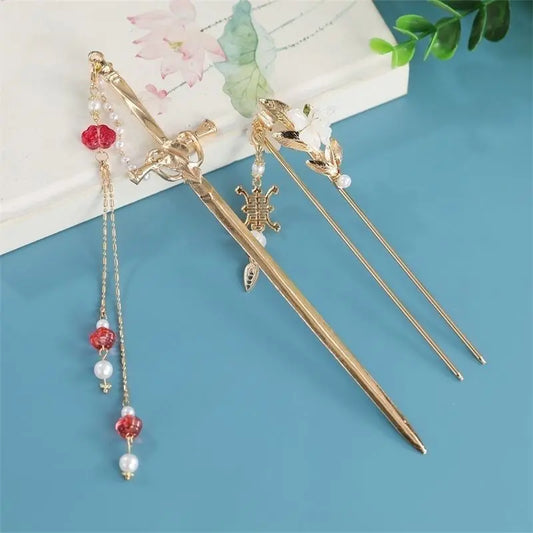
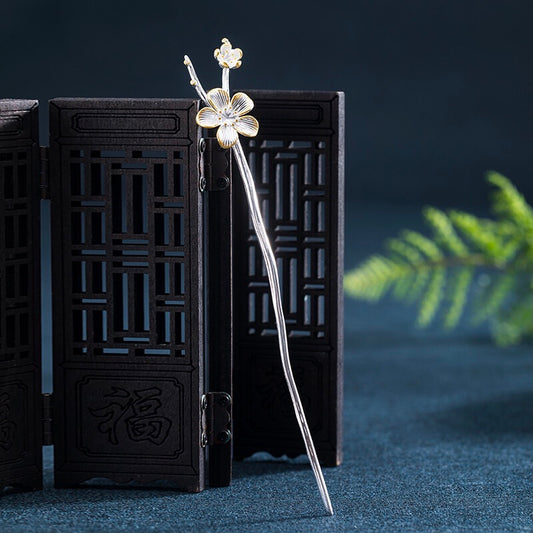
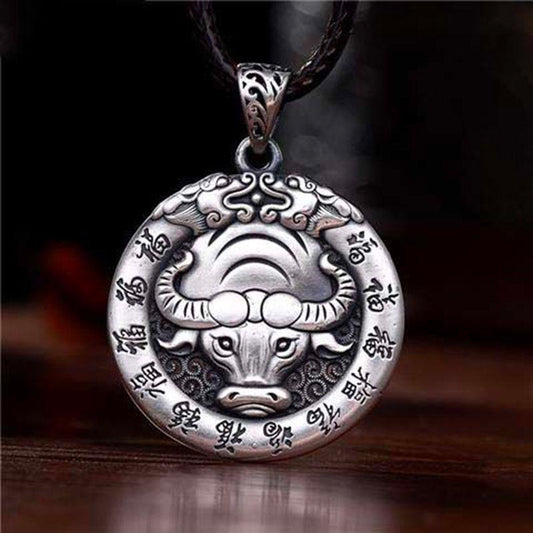
Three contemporary shop selections for readers interested in decorative design. These are not presented as documented heritage objects, community-made crafts, or religious endorsements. Check each product page for current specifications, price, and availability.

antique Hetian jade and pearl flowers Enamel opening ring -Sterling silver
View product details
Green Agate & Freshwater Pearl Flower Drop Earrings
View product details
Chinese Intangible Heritage Velvet Flower Hairpin – New Chinese Style Handmade Floral Hair Stick for Hanfu & Qipao
View product detailsEditorial References
- National Ethnic Affairs Commission of China: Hui overview and history.
- Ningxia Hui Autonomous Region government: “Babao Tea” (2023).
- People's Daily Overseas Edition: Hui cultural profile (2017).
- Hui festival information published by ethnic-affairs authorities.
- Xi'an Local Chronicles Office: “Great Mosque” (2024).
- UNESCO Intangible Cultural Heritage: Hua'er, inscribed in 2009.
- China Intangible Cultural Heritage Digital Museum: safeguarding Ningxia Hui mountain Hua'er.