1. Historical Context: The Five Dynasties and Ten Kingdoms Period (907–960 CE)

To understand the Song Dynasty’s founding, we must first look at the chaos that followed the collapse of the Tang Dynasty. The Tang (618–907 CE), once a glorious empire, fragmented into competing states during the so-called Five Dynasties and Ten Kingdoms period. In the north, a succession of five short-lived dynasties rose and fell rapidly; in the south, ten independent kingdoms governed themselves. China was shattered, and warlords were the only law. Into this turbulent environment stepped Zhao Kuangyin, a military commander of the Later Zhou, the last of the northern dynasties.
2. The Making of a Founder: Zhao Kuangyin‘s Early Life and Rise
Zhao Kuangyin was born in 927 CE in Luoyang, Henan province[reference:0]. His father was a military officer of some standing, and Zhao grew up as an excellent archer and horseman, joining the army at around age 20. Serving the Later Zhou dynasty, he quickly proved himself a brave and competent commander, eventually rising to become inspector general of the imperial forces and commander of the capital area of Kaifeng. When the Later Zhou ruler died in 959 CE, his young son succeeded him, creating a power vacuum. The army feared having a child on the throne at a time of invasion threats from the Khitan. According to the historical records, when Zhao was encamped with his troops at Chenqiao (a military outpost just outside Kaifeng), his officers devised a plan: they woke him, hailed him as emperor, robed him in an imperial yellow jacket, and forced him to return to the capital and claim the throne. The coup was brilliantly staged to appear spontaneous. In 960 CE, Zhao Kuangyin ascended the throne, took the reign name Taizu, and proclaimed the new Song Dynasty. The Later Zhou officially ended, and China’s most remarkable dynasty began
3. Unifying the Realm: Military Campaigns and Conquests
Taizu inherited a fractured empire: he controlled only northern China; the south was divided among rival states, and the north-west was contested by the Khitan Liao dynasty and others. Determined to unify all of China, Taizu launched a systematic campaign of conquest. Employing the strategy “first the south, then the north,” his armies conquered the kingdoms of Jingnan (963 CE), Later Shu (965 CE), Southern Han (971 CE), and Southern Tang (975 CE). By the time of his death in 976 CE, most of China south of the Great Wall was under Song control. Although the northern lands (including the vital Sixteen Prefectures) remained in the hands of the Khitan Liao dynasty, Taizu had reunified the core Chinese heartland, setting the stage for the prosperity that followed.
Key Campaigns for Unification under Emperor Taizu
| Campaign | Date | Kingdom/Rival | Outcome |
|---|---|---|---|
| Conquest of Jingnan & Hunan | 963 CE | Jingnan, Wuping | Annexed; first southern states to fall |
| Sichuan Campaign | 965 CE | Later Shu | Conquered; the wealthy Sichuan basin brought into Song |
| Southern Han Campaign | 971 CE | Southern Han | Conquered; extended Song control to modern Guangdong and Guangxi |
| Southern Tang Campaign | 974–975 CE | Southern Tang | Final major southern rival defeated; its ruler surrendered |
4. The “Cup of Wine Release Military Power” – A Peaceful Revolution
Despite his own rise through a military coup, Taizu deeply feared that other generals might follow the same path. In 961 CE, a year after his coronation, he held a banquet for his most powerful military commanders. As the wine flowed, he confessed his fears that the soldiers might one day force them to wear the yellow robe as they had forced him. Recognizing the implicit threat, the generals asked what they should do. Taizu offered them a deal: retire from their commands, enjoy comfortable sinecures, and receive generous pensions and honorary titles, and the dynasty would guarantee their safety and wealth. The generals immediately accepted. This event became famous as the “Cup of Wine Release Military Power” (杯酒释兵权). Instead of killing or banishing the men who had helped him win the throne, Taizu persuaded them to voluntarily relinquish control. This masterstroke of political psychology ended the warlord culture that had dominated China for half a century and allowed Taizu to rebuild China’s military system from the ground up.
5. Institutional Reforms: Building the World‘s First Meritocratic Bureaucracy
Taizu’s most enduring legacy was his restructuring of China’s central government. He and his successors vastly expanded the imperial civil service examination system, making it the primary route to power. The exams were open to all men regardless of family background, and the Song government implemented innovations such as anonymous grading (where clerks recopied exam papers to hide candidates’ handwriting) to ensure fairness. This system created the world’s earliest meritocratic bureaucracy: officials were chosen on the basis of ability and talent rather than birth. Taizu also:
- Centralized the military: He rotated generals to prevent them from building power bases, placed civil officials in charge of supervising the army, and made sure that no single commander could become too powerful.
- Elevated the civil service: He ordered that scholar-officials outranked military officials, a radical change from the Tang and Five Dynasties where soldiers had dominated.
- Reduced corruption: Taizu tightened control over state finances, reduced the influence of palace eunuchs, and promoted responsible government spending.
- Codified law: He revised the legal code, based on Tang precedents but adjusted to Song needs.
These reforms ensured that the Song state was governed by the empire‘s best-educated men, not by warlords or hereditary aristocrats. The result was a stable, efficient, and surprisingly modern administration that supported China’s economic and cultural boom.
6. Cultural and Technological Flourishing: The Song Golden Age Takes Shape
Although the full brilliance of Song culture would blossom under later emperors, the foundations were laid by Taizu. By subduing the military and empowering scholars, he created the conditions for unprecedented progress in science, technology, literature, and the arts. The Song era saw the invention of movable type printing, the widespread use of paper money, the development of a national market economy, the rise of a sophisticated merchant class, and the flourishing of Neo-Confucian philosophy. The capital, Kaifeng, became one of the world’s largest and most vibrant cities, renowned for its bustling markets, theaters, and restaurants. Scholar-officials competed to write the finest poetry, paint the most elegant landscapes, and compile the most accurate histories. Taizu’s decision to favor civil culture over military culture transformed Chinese civilization from a martial empire into a sophisticated, commercially dynamic society.
7. Death, Succession, and Lasting Legacy
Emperor Taizu died suddenly in 976 CE at age 49 under mysterious circumstances. According to popular legend, he was murdered by his younger brother, Zhao Guangyi (Emperor Taizong), during a late-night conversation in the palace—a story known as “shadows by the candle and sounds from an axe”. Whether true or not, Zhao Guangyi succeeded him and continued Taizu‘s policies, eventually completing the reunification of China. Taizu’s legacy, however, was already secure. He had founded one of China‘s most revered dynasties, reunified the Chinese heartland, ended centuries of warfare, and built the institutional skeleton of a modern state. The Song Dynasty would endure for over three centuries—until its final fall to the Mongols in 1279 CE—but its identity, its institutions, and its values were indelibly shaped by its first emperor, Zhao Kuangyin, whose vision of a peaceful, prosperous, and cultivated China would become the ideal to which later dynasties would aspire.
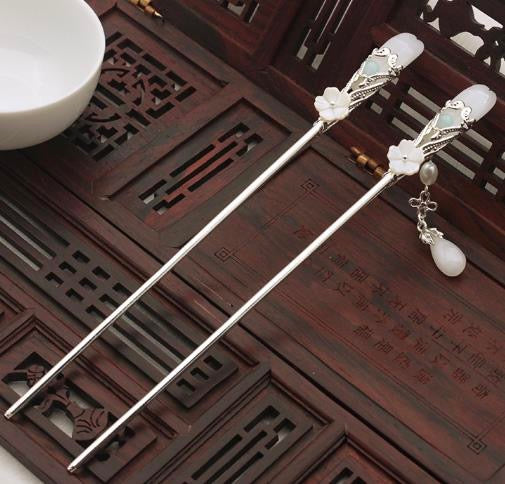
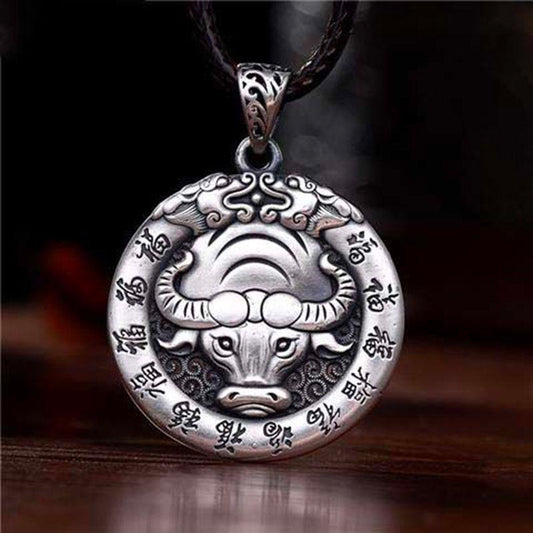
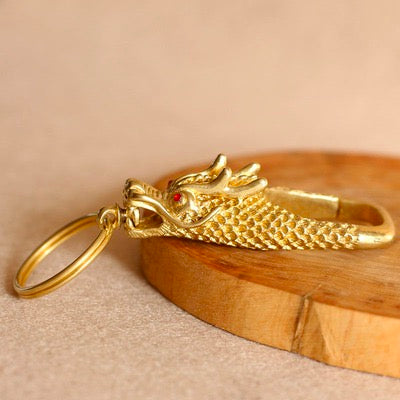
🏮 The Song Dynasty’s refined aesthetic, love of balance, and exquisite craftsmanship gave rise to some of China’s most beautiful jewelry. Explore pieces that embody the spirit of this golden age.
📌 Frequently Asked Questions (FAQ)
• Cartwright, Mark. (2019). Emperor Taizu of Song. World History Encyclopedia.
• Cartwright, Mark. (2017). Song Dynasty. World History Encyclopedia.
• Britannica Online. (1998). China – Song Dynasty, Economy, Culture.
• Britannica Online. (1998). Taizu: Emperor of Song Dynasty, Reformer & Military Leader.
• On This Day. Taizu (First Emperor of the Song Dynasty).
• Columbia University, Asia for Educators. Song Dynasty China.
• Kung, James Kai sing. (2022). On the Origins and Persistent Effects of the World’s First Meritocratic Institution. Comparative Economic Studies.
• University of Hong Kong Libraries. On the Origins and Persistent Effects of the World’s First Meritocratic Institution.
🔗 Discover more Chinese cultural heritage at Chinese Showcase.
✨ Traditional Chinese Jewelry – Inspired by Song Dynasty Elegance
The Song Dynasty prized refinement, balance, and natural beauty—values that shine through in the traditional jewelry of the era. From delicate jade pendants to gold hairpins inlaid with kingfisher feathers, Song artisans created wearable art that continues to inspire. Explore our curated collections celebrating this timeless aesthetic:
✨ Each piece celebrates the artistry of China‘s Song Dynasty — a time when beauty, craftsmanship, and culture reached new heights.