The Color of Happiness, Luck & Prosperity
1. The Historical and Philosophical Origins

The reverence for red in Chinese culture can be traced back to ancient times. Early humans worshipped fire and the sun — both associated with the color red — for their life‑giving energy and ability to ward off darkness and wild animals. During the Han Dynasty (202 BCE – 220 CE), red became strongly associated with the ruling house and was considered an imperial color. The Chinese word for red, hóng (红), also appears in words meaning “popular,” “successful,” and “prosperous” (e.g., 走红, zǒuhóng, “to become popular”). In the traditional yin‑yang and five‑element theory (五行, wǔxíng), red corresponds to the element of fire (火) and the direction south (南). Fire represents warmth, vitality, and transformation — qualities embodied by the color red. Because fire overcomes metal and helps to ward off negative forces, red objects have long been used as protective talismans. This philosophical foundation explains why red is both a celebratory and a protective color in Chinese culture.
2. Red at Festivals and Celebrations
No other color comes close to red’s dominance during Chinese festivals, especially Lunar New Year (Spring Festival). Streets, homes, and offices are decorated with red lanterns, red paper cutouts, and red banners bearing auspicious phrases. The mythical beast Nian (年), which legend says terrorized villages, was believed to fear the color red, loud noises, and bright lights — hence the explosion of red during New Year celebrations. Specific red customs include:
- Red envelopes (hongbao, 红包) — Red paper packets containing money, given by married couples and elders to children and unmarried young adults to transfer good luck and ward off evil.
- Red couplets (chunlian, 春联) — Pairs of red paper strips inscribed with poetic blessings, pasted on doorways to usher in good fortune.
- Red lanterns (hong denglong, 红灯笼) — Hung during the Lantern Festival (15th day of the new year), symbolizing a bright, prosperous future.
- Red clothing — Wearing something red (often new) on New Year’s Day is believed to attract good luck for the coming year.
Other festivals also highlight red: Dragon Boat Festival features red eggs and red strings to protect children; Mid‑Autumn Festival mooncake boxes are often red; and birthday celebrations for elders include red longevity buns.
3. Red in Traditional Chinese Weddings
The Chinese wedding is a symphony in red. Red symbolizes not only the couple’s joy but also their hope for a fertile, prosperous, and harmonious union. Key red wedding traditions include:
- Red bridal gown: Traditionally, the bride wears a red qipao (cheongsam) or qungua (a two‑piece embroidered dress). The groom often wears a red sash or a red tie. After the ceremony, some brides change into a red evening dress for the banquet.
- Red decorations: The wedding venue is draped in red fabric, and the “Double Happiness” symbol (囍) in red is displayed on invitations, the wedding altar, and cakes.
- Red candles: Dragon and phoenix red candles are lit during the tea ceremony to symbolize the union of the couple.
- Red envelopes (hongbao): Guests give red envelopes with money to the couple to bless their new life. The couple also gives red envelopes to unmarried younger relatives.
- Red bedding: The bridal chamber traditionally features red sheets, pillowcases, and a red mosquito net, symbolizing fertility and a happy marriage.
4. Red in Feng Shui: Activating Wealth and Protection
In Feng Shui (风水), the art of harmonizing with the environment, red is a powerful tool for attracting yang energy and repelling negative influences. Because red corresponds to the element of fire, it can activate stagnant areas and bring dynamic energy into a space. Common red Feng Shui applications include:
- Placing a red item (cushion, painting, or decor) in the southeast “wealth corner” to attract prosperity.
- Hanging red paper cutouts or red tassels on the front door for protection.
- Using red string or red cord bracelets for personal protection — often given to children or individuals facing a challenging year according to Chinese zodiac (犯太岁, fàn tàisuì).
- Wrapping Five Emperor Coins in red thread and placing them in a wallet or cash register to enhance income.
However, Feng Shui experts caution against overusing red, as too much fire element can cause aggression or restlessness. Red is used as an accent, not a wall‑to‑wall color, except during festivals and weddings when its celebratory energy is welcomed.
5. Other Auspicious Red Symbols and Objects
Beyond festivals and Feng Shui, red appears in many other aspects of Chinese life:
| Red Symbol/Object | Chinese Name | Meaning / Use |
|---|---|---|
| Red String of Fate | 红绳 (hóngshéng) | Believed to connect soulmates; also worn for protection, especially by those born in a zodiac year that conflicts with the year’s Tai Sui (age 12, 24, 36, 48, 60). |
| Red Egg (for new baby) | 红鸡蛋 (hóng jīdàn) | Given at a baby’s one‑month celebration (满月, mǎnyuè) to announce the birth and share happiness. The red shell symbolizes new life and good luck. |
| Red Chopsticks | 红筷子 (hóng kuàizi) | Often given as wedding gifts or used during banquets, symbolizing a wish for “having a son quickly” (a pun based on similar sounds). |
| Red Knot (Mystic Knot) | 中国结 (Zhōngguó jié) | Red Chinese knot decorations represent eternity, good fortune, and the continuity of family lines. Given as gifts for weddings, anniversaries, and New Year. |
| Red Paint (on buildings) | 红漆 (hóngqī) | Traditional palaces, temples, and important gates (e.g., the Meridian Gate of the Forbidden City) are painted red to signify authority, dignity, and happiness. |
6. Red in Traditional Chinese Jewelry and Adornment
Red is a cherished color in traditional Chinese jewelry, both for its beauty and its auspicious properties. Common red‑themed jewelry includes:
- Red cord bracelets (红绳手链): Worn for protection, especially for children or during zodiac conflict years. Often combined with gold or jade charms.
- Red gemstones: Rubies, red agate (红玛瑙, hóng mǎnǎo), red jade (红玉, hóng yù), and cinnabar (朱砂, zhūshā) are prized for their vibrant yang energy. Red agate bracelets and pendants are commonly worn for confidence and wealth attraction.
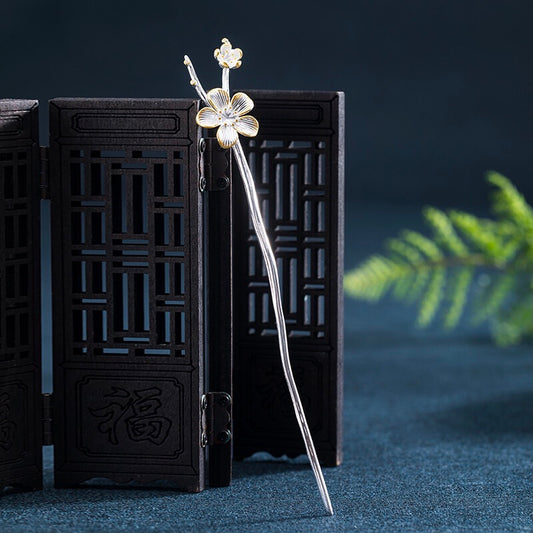
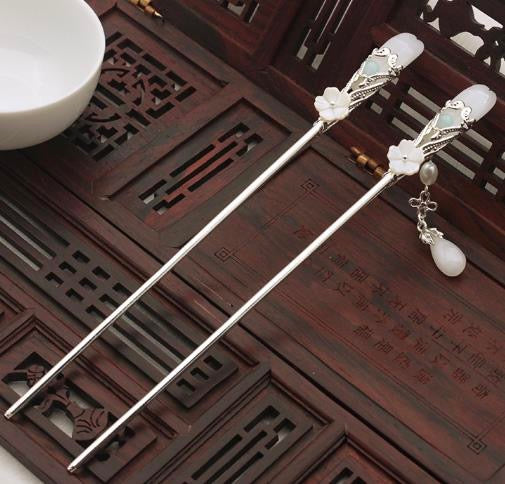
- Red tassels and beads: Many traditional pendants, hairpins, and earrings incorporate red tassels (流苏, liúsū) to add auspicious energy. Red beads are often strung with gold or jade in multi‑material pieces.
- Double Happiness red motifs: Wedding jewelry (rings, pendants, brooches) often incorporate the red Double Happiness symbol (囍) to bless the marriage.
When wearing red jewelry, traditional Chinese culture advises that it be kept clean and worn on the left side of the body (the side associated with receiving energy). For special occasions like weddings or New Year celebrations, wearing new red jewelry is considered especially auspicious.
7. The One Exception: Writing Names in Red
While red is overwhelmingly positive, there is a singular important exception: never write a living person‘s name in red ink. In traditional Chinese culture, names written in red were historically used on tombstones, in funeral registers, or to mark the names of the deceased. Therefore, writing a living person’s name in red is seen as a wish for their death or a terrible curse. This taboo extends to red pens and red official stamps: business documents never use red ink for signatures, and teachers traditionally avoid grading students‘ work with red pens (though modern practice is shifting). Gifts wrapped in red paper are fine, but a card addressed in red ink to a living person would be deeply inappropriate. This one restriction, however, does not diminish the otherwise universally positive significance of red.
🏮 Looking for meaningful jewelry that embodies the spirit of red in Chinese culture? Our collections feature red cord bracelets, red agate rings, and Double Happiness pendants — perfect for celebrating life‘s happiest moments.
📌 Frequently Asked Questions (FAQ)
• Giron, Michelle. (2025). “What Is the Significance of Colors in Chinese Culture?” LoveToKnow.
• “Exploring the Significance of Red in Chinese Culture.” The Current – University of California, Santa Barbara (2021).
• Pham, Kacie. (2021). “Why Is Red Considered a Lucky Color in Chinese Culture?” Lovely Lucky Life.
• “Chinese Red — The Color of Luck and Joy.” China Market Advisor (2021).
• “Red in China: The Color of Luck and Prosperity.” La Vie Zine.
• “Red — The Color of Happiness in Chinese Culture.” Chinese Learning Tips (WCC).
• “Red Color & Feng Shui — Meanings and Uses.” Feng Shui Beginner (2021).
• “Red String of Fate — Legend and Meaning.” ZodiacSignsHoroscope.com.
🔗 Explore more Chinese cultural heritage at Chinese Showcase.
✨ Traditional Chinese Jewelry — Wearing Auspicious Red
Red is the color of joy, luck, and protection. Our traditional jewelry collection features red cord bracelets, red agate rings, Double Happiness pendants, and other red‑accented pieces — perfect for celebrating weddings, welcoming the New Year, or simply carrying a little good fortune with you every day.
✨ Each piece celebrates the meaning of red — a color that connects happiness, prosperity, and protection across Chinese culture. Wear it as a blessing for life‘s most joyful moments.