China's Land of Silk, Tea, and Prosperity
1. An Overview of Zhejiang Province

Zhejiang Province, abbreviated as "Zhe," is a coastal province located in the southeastern part of China, on the southern wing of the Yangtze River Delta. It borders the East China Sea to the east, Fujian to the south, Jiangxi and Anhui to the west, and Shanghai and Jiangsu to the north. Its name derives from the Qiantang River, historically known as the Zhe Jiang ("Crooked River"), which winds through the province. With a land area of 105,500 square kilometers and a population of over 65 million, it is one of China's smallest but most densely populated and affluent provinces. The province is often described as "seven parts mountains, one part water, and two parts farmland," reflecting its diverse and picturesque landscape.
2. Complete Comparison Table: Zhejiang's Key Facts
| Category | Details |
|---|---|
| Capital | Hangzhou |
| Abbreviation | 浙 (Zhè) |
| Location | Southeast coast of China, Yangtze River Delta |
| Area | 105,500 km² (one of China's smallest provinces) |
| Population (2025) | Approx. 67 million |
| GDP (2025) | 9.45 trillion yuan (approx. $1.3 trillion) |
| Topography | "Seven mountains, one water, two fields" |
| Climate | Subtropical monsoon, warm and humid |
| Famous For | Tea, silk, West Lake, Qiantang tidal bore, private enterprise |
3. Economic Powerhouse: Private Enterprise and Manufacturing
Zhejiang is one of China's most economically dynamic provinces. It has long been at the forefront of the country's market-oriented reforms, developing a distinctive "Zhejiang model" of development based on private enterprise and small- and medium-sized businesses. The province's GDP reached 9.45 trillion yuan in 2025, reflecting a 5.5% annual growth rate. It is a national leader in several key sectors:
- Manufacturing: Zhejiang is a major manufacturing hub, with specialties in electromechanical industries, textiles, chemical industries, food processing, and construction materials.
- Private Enterprise: The province is celebrated for its entrepreneurial spirit and is home to countless successful private businesses, driving much of its economic vitality.
- Wealth Creation: Zhejiang is one of the wealthiest provinces in China, with per capita GDP levels comparable to moderately developed countries. The province's rural and urban residents have some of the highest disposable incomes in the country.
- Regional Economic Integration: Its location in the Yangtze River Delta allows it to benefit from integration with Shanghai and other major economic centers.
4. Agriculture: The Land of Tea and Silk

Zhejiang has a storied agricultural tradition, earning it the historical nickname "Land of Fish and Rice." It is among China's leading provinces in farm productivity and is particularly famous for two iconic products: tea and silk.
- Tea: Zhejiang is China's foremost tea producer. The province is world-renowned for Longjing (Dragon Well) green tea, produced in the hills around Hangzhou. Other tea-producing regions, such as Pingshui, Jiande, and Wenzhou, also contribute to the province's tea legacy.
- Silk: Zhejiang is the national leader in sericulture (silkworm farming) and silk production. This industry, with a history of over 4,700 years, has been a cornerstone of Zhejiang's economy and cultural identity. Hangzhou, the province's capital, is known as the "City of Silk."
- Other Crops: In addition to tea and silk, Zhejiang is a major producer of rice, wheat, barley, corn, sweet potatoes, cotton, jute, rapeseed, sugarcane, tobacco, citrus fruits, and bamboo products. The northern plains, particularly the Hangzhou-Jiaxing-Huzhou and Ningbo-Shaoxing plains, are fertile agricultural areas.
- Fishery: The Zhoushan Archipelago, the largest in China, is a crucial fishing ground. Zhejiang leads in fishing and aquatic products, with a long coastline and rich marine resources.
5. Tourism: West Lake, Grand Canal, and Ancient Water Towns

Zhejiang is a top tourist destination, attracting millions of visitors each year with its blend of natural beauty, cultural heritage, and modern attractions. The province boasts the second-highest number of national 5A-level scenic spots in China.
- West Lake (Hangzhou): The iconic freshwater lake in the heart of Hangzhou is a UNESCO World Heritage site and the quintessential symbol of Zhejiang. Its beauty has inspired poets, painters, and emperors for over a thousand years.
- UNESCO Sites: Zhejiang is home to several UNESCO World Heritage sites, including the Archaeological Ruins of Liangzhu City (a 5,000-year-old ancient city), the Beijing-Hangzhou Grand Canal (the world's longest man-made waterway), and the West Lake itself. Mount Jianglang is a UNESCO World Natural Heritage site.
- Ancient Water Towns: The province is famous for its beautifully preserved water towns, such as Wuzhen, Xitang, and Nanxun. These towns, with their stone bridges, canals, and traditional architecture, offer a glimpse into China's past.
- Sacred Mountains: Mount Putuo, an island in the Zhoushan Archipelago, is one of the four sacred mountains of Chinese Buddhism, attracting pilgrims and tourists. Mount Yandang is a UNESCO Global Geopark known for its dramatic peaks and waterfalls.
- Qiantang Tidal Bore: The Qiantang River is famous for its spectacular tidal bore, a high wall of water that rushes up the river, creating a thrilling natural spectacle, especially in autumn.
- Modern Attractions: The Hengdian World Studios in Jinhua is one of the world's largest film studios, offering visitors a chance to experience historical sets and film production.
6. Cultural Heritage and Historical Significance

Zhejiang is one of the ancient cradles of Chinese civilization. Its cultural history stretches back thousands of years, with evidence of human activity from the Paleolithic Age and numerous Neolithic sites.
- Neolithic Cultures: The province is home to several significant Neolithic cultures, including the Liangzhu Culture (famous for its sophisticated jade artifacts), the Hemudu Culture, the Majiabang Culture, and the Kuahuqiao Culture. These sites provide crucial insights into early Chinese civilization.
- Historical Cities: Zhejiang has 10 national historic and cultural cities, including Hangzhou, Shaoxing, Ningbo, Wenzhou, and Quzhou. Shaoxing, the hometown of the writer Lu Xun, is one of China's oldest cities, dating to the 6th century BCE. Hangzhou served as the capital of the Southern Song Dynasty (12th–13th centuries).
- Intangible Cultural Heritage: Zhejiang leads the country in the number of national-level intangible cultural heritage items. This includes a rich tradition of arts and crafts, such as Yueju opera (one of China's major opera forms), Yue kiln celadon porcelain, and various folk arts and crafts.
- Cultural DNA: The province's cultural narrative is often summarized by the phrase "10,000 years of Shangshan culture, 5,000 years of Liangzhu civilization, 1,000 years of Song Dynasty elegance, and 100 years of the Red Boat Spirit."
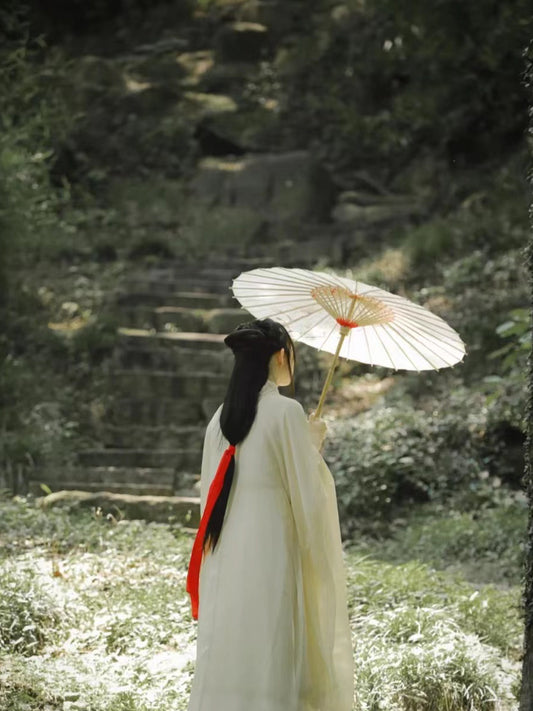
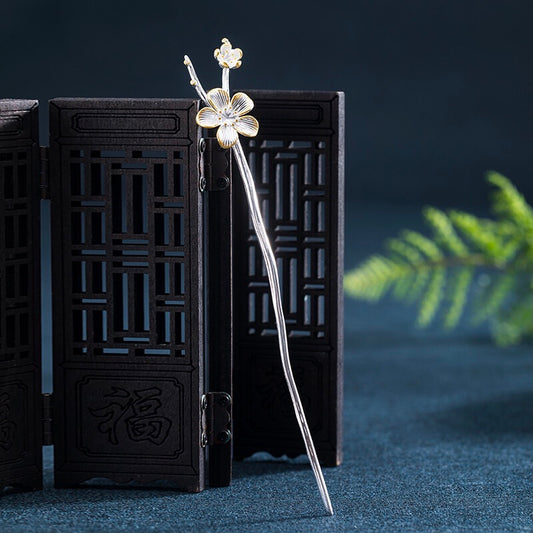
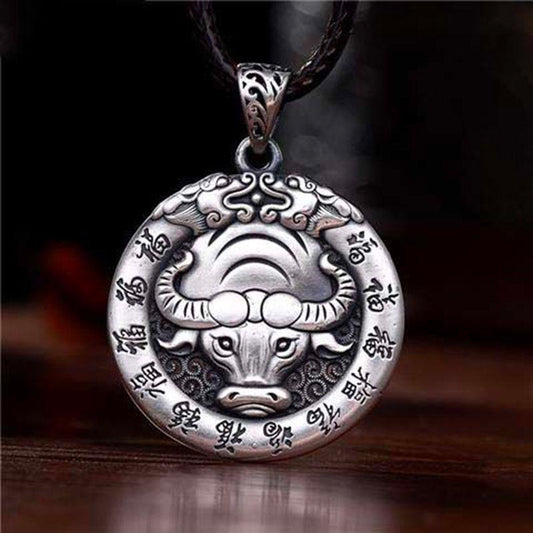
🏮 Zhejiang's legacy of silk, tea, and artistic refinement is deeply woven into the fabric of Chinese culture. From the delicate threads of silk to the intricate designs of traditional jewelry, the province's artisanship continues to inspire.
📌 Frequently Asked Questions (FAQ)
• 百度百科. "浙江省." (2026).
• Britannica. "Zhejiang." (2025).
• Zhejiang Government. "Overview of Zhejiang." (2024).
• Zhejiang, China. "Overview." (2026).
• CCTV.com. "Zhejiang Province." (2009).
• ezhejiang.gov.cn. "Natural Resources." (2025).
• ezhejiang.gov.cn. "Zhejiang's cultural achievements during 14th Five-Year Plan." (2025).
• 消费日报. "从“文化基因”到“文旅爆款” 浙江“十四五”文旅融合实现新突破." (2025).
• 瞭望. "“诗画浙江”开融合新篇." (2025).
🔗 Explore more Chinese cultural heritage at Chinese Showcase.