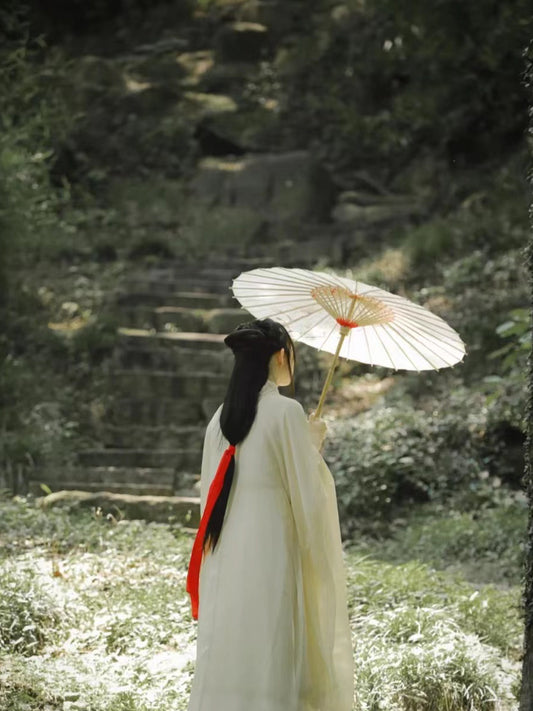
Liqiu (立秋), usually translated as the Beginning of Autumn or Start of Autumn, is the 13th of China’s 24 solar terms and the first solar term of the traditional autumn season. It begins when the sun reaches 135 degrees of celestial longitude, usually around August 7 or 8. Liqiu marks a change in the seasonal pattern: crops move toward ripening, daylight is gradually shortening, and cooler air may begin to appear. It does not mean that hot weather ends immediately. In much of China, summer heat can continue for weeks after Liqiu.
| Beginning of Autumn at a glance | Details |
|---|---|
| Chinese name | 立秋 |
| Pinyin | Lìqiū |
| Recommended English name | Beginning of Autumn; “Start of Autumn” is also used |
| Position | 13th of the 24 solar terms; first solar term of traditional autumn |
| Usual date | Around August 7 or 8; the exact transition time changes each year |
| Astronomical point | Sun at 135° celestial longitude |
| Previous solar term | Dashu, or Major Heat |
| Next solar term | Chushu, or End of Heat |
| Three pentads | Cool winds arrive; white dew appears; cicadas chirp |
| Main cultural themes | Seasonal transition, ripening crops, welcoming autumn, drying the harvest, “biting autumn,” and “putting on autumn weight” |

What Does Liqiu Mean?
The name combines two Chinese characters. Li (立) means “to begin” or “to establish” in the names of the four seasonal starting points: Lichun, Lixia, Liqiu, and Lidong. Qiu (秋) means autumn and is closely associated with grain ripening, harvest, and the gradual drawing inward of natural growth.
The Yuan-dynasty scholar Wu Cheng explained autumn as a time when things begin to gather and contract. That idea is central to Liqiu. Spring emphasizes emergence, summer vigorous growth, and autumn maturity and concentration. Liqiu is therefore less a sudden weather event than a threshold in the annual cycle.
How Did the Beginning of Autumn Solar Term Develop?
The 24 solar terms emerged from ancient Chinese observations of the sun’s yearly movement, changing day length, temperature, rainfall, and the timing of agricultural work. The system was not invented in a single year. It developed gradually as astronomical calculation and farming experience became more systematic.
Texts from the late Warring States and Han periods preserve important stages of this development. The Huainanzi records a complete sequence of the 24 solar terms, while the Book of Rites describes seasonal government and ritual ideas for the first month of autumn. These records show that autumn’s beginning had both practical and ceremonial importance.
In imperial ritual, rulers at times welcomed autumn in the western suburbs, symbolically aligning government with seasonal order. Later records mention wearing catalpa leaves, weighing the body, tasting new crops, and preparing seasonal foods. These customs changed by dynasty and region; they were never practiced identically by everyone in China.
In 2016, the “Twenty-Four Solar Terms—knowledge in China of time and practices developed through observation of the sun’s annual motion” was inscribed on UNESCO’s Representative List of the Intangible Cultural Heritage of Humanity. Liqiu is one part of that complete knowledge system.
Does Liqiu Mean Autumn Weather Has Arrived?
No. Liqiu begins traditional autumn in the solar-term calendar, but it does not guarantee an immediate drop in temperature. China spans tropical, subtropical, temperate, plateau, desert, and monsoon climates. Northern and high-altitude areas may notice cool mornings relatively early, while the Yangtze basin and southern China can remain hot and humid.
Meteorological autumn is defined using temperature patterns over a period of time. A single astronomical transition cannot describe conditions everywhere. Liqiu may even fall during the final period of the traditional sanfu, or dog days, when heat is still intense.
The popular expression “autumn tiger” refers to spells of hot, sunny weather after the nominal beginning of autumn. It is a flexible folk expression rather than one nationally standardized scientific event. For everyday life, local weather forecasts matter more than the season printed on the calendar.

The Three Pentads of Liqiu
Traditional Chinese seasonal knowledge divides each solar term into three approximately five-day periods called hou, or pentads. The classical sequence for Liqiu is “cool winds arrive, white dew appears, and cicadas chirp.” It is a poetic framework for observation, not a modern biological timetable that occurs simultaneously across China.
Cool Winds Arrive
Winds may begin to feel less heated than in midsummer. The phrase describes a directional tendency: the atmosphere is starting to change even if daytime temperatures remain high.
White Dew Appears
As the difference between daytime and nighttime temperature grows, moisture may become visible near the ground in the morning. This is not the later White Dew solar term.
Cicadas Chirp
Changing insect sounds become a seasonal sign. Species and timing vary by ecosystem, so the observation is best understood within the classical calendar’s original environmental setting.
Liqiu and the Agricultural Calendar
Liqiu arrives at a demanding point in the farming year. Some early rice is ready for harvest, while late rice, maize, soybeans, cotton, sweet potatoes, and other crops are still developing. Grain filling, flowering, fruiting, and tuber expansion may require sufficient water, sunlight, and field care.
Traditional sayings connect timely rain after Liqiu with a better harvest. These proverbs preserve local experience, but they are not universal forecasts. Too little rain can cause drought, while excessive rain, flooding, wind, or crop disease can also reduce yield. Modern farmers combine seasonal knowledge with local forecasts, irrigation planning, pest monitoring, and agricultural advice.

Traditional Liqiu Customs
Liqiu customs differ by location, period, and household. The following practices are widely discussed, but none should be treated as compulsory for all Chinese people.
Welcoming Autumn
Historical court ceremonies marked the change of season through formal acts of “welcoming autumn.” Today, the idea survives mainly through cultural programs, museum events, school activities, and personal seasonal rituals.
Shaiqiu: Drying the Harvest
In some mountain communities, limited flat ground led families to dry peppers, maize, beans, vegetables, tea fruit, and flowers on roofs, windowsills, racks, and round bamboo trays. The practice is both useful and visually striking.
Kenqiu: “Biting Autumn”
Some families eat watermelon, muskmelon, or other seasonal produce on Liqiu. The act can express farewell to summer heat, welcome for autumn, and delight in the harvest. It is a folk custom, not a medical treatment.
Putting On Autumn Weight
People once compared their weight at Liqiu with their weight at Lixia. After a summer of reduced appetite, richer foods helped compensate for lost weight. Modern nutrition makes heavy meat-based “supplementing” unnecessary for many people.
Weighing the Body
Historical accounts describe weighing people at the seasonal transition. The custom reflects an older interest in how the body changed through summer rather than a modern health assessment.
Wearing Catalpa Leaves
Some Song-dynasty and later records mention wearing leaves at Liqiu to respond symbolically to the season. Today it is better known as historical folklore than as an everyday national practice.
What Do People Eat at the Beginning of Autumn?
There is no single national Liqiu menu. Northern households may emphasize wheat foods and meat dishes, Jiangnan communities may enjoy lotus root, water chestnut, aquatic produce, and seasonal fruit, while mountain regions use locally harvested grains, beans, peppers, and vegetables.
“Putting on autumn weight” is culturally memorable, but it arose in conditions when summer appetite, food preservation, and physical labor were different from those of many people today. A balanced modern approach is more useful:
- continue drinking enough water while high temperatures persist;
- avoid suddenly increasing oily or heavy foods;
- choose fresh seasonal vegetables, fruit, grains, and suitable protein;
- adjust meals to actual climate and activity level rather than the calendar alone;
- follow professional medical advice when managing allergies, chronic illness, or therapeutic diets.
Liqiu in Chinese Poetry and Art
Chinese poets often recognized autumn through very small changes: a cooler fan of wind, the cry of a crow, rain on leaves, a thinning lotus pond, or the first sense of evening chill. Liqiu poetry is rarely only a weather report. It uses seasonal transition to explore maturity, separation, homesickness, quietness, and the passage of human life.
Artists likewise turned cicadas, lotus leaves, grain, autumn forests, pomegranates, and moonlit courtyards into visual signs of the season. These images do not all belong specifically to the day of Liqiu. Rather, they form a larger artistic vocabulary through which autumn is anticipated, experienced, and remembered.
How Does Liqiu Vary Across China?
The original solar-term knowledge was closely shaped by long observation in ancient agricultural regions, often associated with the Yellow River basin. As the calendar spread, communities interpreted it through local climate and crops.
In the northeast and on high plateaus, nights may cool quickly. In the Yangtze region, rice-field management and late-summer heat remain important. In southern coastal areas, tropical heat, heavy rain, and typhoons may still dominate. Mountain “drying the harvest” scenes in Jiangxi, Hunan, or Anhui reflect particular landscapes and products, not a universal Liqiu practice.
Regional variation is therefore part of the tradition. The 24 solar terms provide a shared time structure, while local communities supply the weather knowledge, foods, sayings, crops, and customs that make the structure meaningful.
What Does Liqiu Mean Today?
Liqiu remains useful in weather education, agriculture, heritage programs, museums, schools, food culture, and tourism. People may mark it by walking outdoors, observing plants, preparing a seasonal meal, reading poetry, or recording changes in light and temperature.
Social media has made solar terms visually popular, but it can also blur differences among them. Red maple forests, golden ginkgo avenues, and chrysanthemums often belong to later autumn, not necessarily early August. A more accurate Liqiu image may include green fields, intense sun, ripening grain, morning moisture, and only the faintest hint of cool air.
The continuing value of Liqiu lies in its invitation to notice transition. It teaches that seasonal change is gradual, that harvest depends on sustained labor, and that calendar knowledge must be tested against the real environment.
Seasonal Design Connections
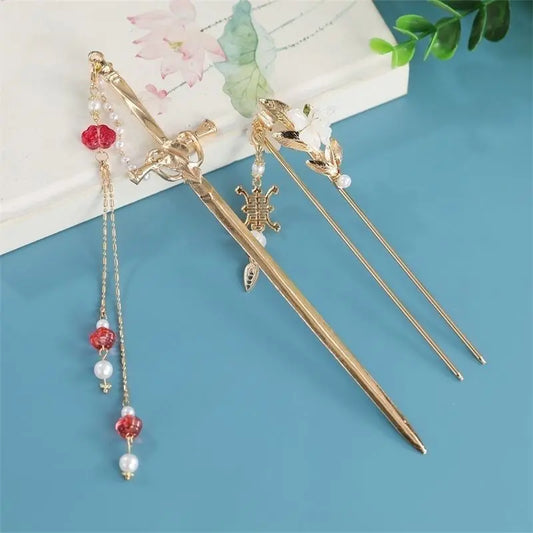
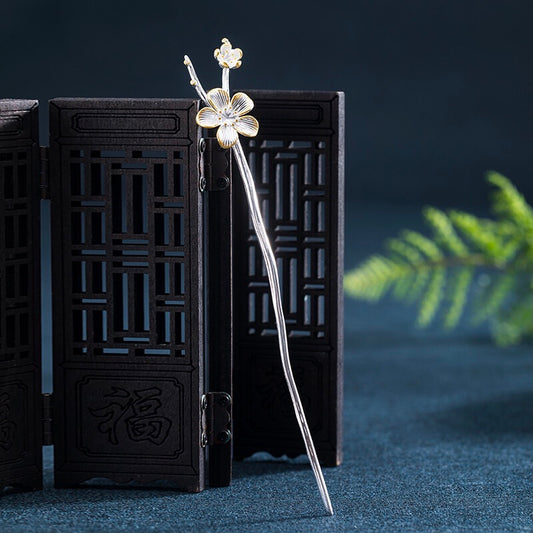
Maple, ginkgo, and lotus leaves belong to a broad Chinese visual language of seasonal change. The pieces below are contemporary designs selected for that artistic connection. They are not historical Liqiu ritual objects, and wearing them does not change weather, health, or fortune.

Maple: The Color of Later Autumn
Maple Leaf Pearl Hairpin
Maple leaves are now a familiar visual shorthand for autumn color. At Liqiu they work best as an anticipation of the season still to come.
$36.99
View the motif
Ginkgo: Fan-Shaped Rhythm
Ginkgo Leaf U Hairpin with Pearl Tassel
The fan-like ginkgo leaf creates a clear silhouette. Its seasonal appeal comes from form and changing color, rather than one fixed ancient Liqiu meaning.
$24.99
Explore the leaf form
Withered Lotus: Beauty in Transition
Canhe Lotus Leaf Ebony Wood Hairpin
The fading lotus is a poetic image of summer turning toward autumn—an especially suitable metaphor for Liqiu’s threshold character.
$36.99
See the craft detailsFrequently Asked Questions
What is Liqiu in Chinese culture?
Liqiu is the 13th of China’s 24 solar terms and the first solar term of traditional autumn. It marks a shift toward crop ripening and seasonal contraction.
When is the Beginning of Autumn in China?
It usually begins around August 7 or 8, when the sun reaches 135 degrees of celestial longitude. The precise time changes each year.
Does Liqiu mean summer is over?
No. It begins autumn in the traditional solar-term calendar, but much of China may remain hot. Meteorological autumn often starts later.
What are the three pentads of Liqiu?
They are traditionally described as cool winds arriving, white dew appearing, and cicadas chirping. They are classical observations rather than a nationwide scientific schedule.
Why do people eat watermelon at Liqiu?
In some regions, eating watermelon or melon is called “biting autumn.” It expresses farewell to summer heat and welcome for the harvest season.
What does “putting on autumn weight” mean?
It is an old custom of eating richer foods after possible summer weight loss. Modern people do not need to follow it mechanically and should prioritize balanced nutrition.
Is Liqiu the same as the autumn equinox?
No. Liqiu begins traditional autumn and occurs in early August. The Autumn Equinox comes later, when day and night are approximately equal in length.
Why are the 24 solar terms intangible cultural heritage?
They combine astronomical knowledge, farming experience, seasonal customs, oral traditions, and practical ways of coordinating life with the annual cycle. UNESCO inscribed the system in 2016.
References
- China Meteorological Administration, “The Twenty-Four Solar Terms: Beginning of Autumn,” accessed August 2026.
- China Meteorological News Press, educational materials on Liqiu weather, pentads, agriculture, and regional customs, accessed August 2026.
- UNESCO, “Twenty-Four Solar Terms—knowledge in China of time and practices developed through observation of the sun’s annual motion,” inscribed 2016.
- Wu Cheng, Collected Explanations of the Seventy-Two Pentads, Yuan dynasty.
- Book of Rites: Monthly Ordinances.
- Huainanzi: Treatise on Celestial Patterns, Western Han period.
- China Intangible Cultural Heritage Network and Digital Museum, materials on the Twenty-Four Solar Terms, accessed August 2026.