The Zhongyuan Festival is a traditional Chinese observance held on the fifteenth day of the seventh lunar month. Often called the Hungry Ghost Festival in English, it is better understood as a season of ancestor remembrance, ritual care, charitable concern, and reflection on the relationship between the living and the dead.
The festival developed through the interaction of Chinese ancestral customs, Daoist ideas about the seventh lunar month, and the Buddhist Ullambana tradition. Practices differ by region and family, but offerings, remembrance, community rites, and acts of compassion remain central.
When Is the Zhongyuan Festival?
The principal date is the fifteenth day of the seventh month in the traditional Chinese lunar calendar. Because lunar dates shift against the Gregorian calendar, the Western-calendar date changes each year. In many communities, however, the cultural season extends beyond a single day and may be described as the “Ghost Month.”
The name Zhongyuan (中元) comes from a Daoist calendrical framework. Another familiar name, Yulanpen or Ullambana Festival, reflects Buddhist ritual traditions. “Hungry Ghost Festival” is a widely recognized English label, but it emphasizes only one part of a much broader cultural observance.
Where Did the Festival Come From?
Ancestor remembrance
Long before the festival acquired its later religious forms, Chinese communities maintained customs of honoring ancestors through food, drink, incense, and respectful remembrance. These practices expressed gratitude, family continuity, and the hope that deceased relatives would be properly cared for.
Daoist Zhongyuan traditions
In Daoist ritual culture, Zhongyuan is associated with the seventh lunar month and with rites addressing moral accountability, the relief of suffering, and the well-being of departed spirits. Local temples may conduct communal ceremonies, recitations, and offerings.
Buddhist Ullambana traditions
Buddhist observance is often linked to the story of Maudgalyayana, known in Chinese as Mulian, who sought to rescue his mother from suffering. The story became a powerful teaching about filial devotion, generosity, and the transfer of merit through offerings to the monastic community.

What Do People Do During the Zhongyuan Festival?
Prepare offerings
Families may arrange fruit, tea, rice, cooked dishes, flowers, or other symbolic gifts. The precise items and order of presentation vary greatly. The important principle is respect rather than extravagance.
Burn incense or paper offerings
Incense creates a solemn ritual atmosphere, while paper offerings may symbolize provisions for the deceased. These customs should not be treated as universal: some families do not burn anything, and contemporary communities increasingly favor flowers, written remembrance, or digital memorials.
Light lanterns
In some regions, lanterns are placed near water or carried in processions. They may symbolize guidance, release, and the wish that wandering spirits find a peaceful path. Environmental rules and local safety regulations should always take priority.
Attend communal rites and performances
Temples and neighborhood associations may organize chanting, opera, food distribution, or charitable activity. Public performances can serve both ritual and social purposes, reinforcing ties among residents while transmitting local tradition.
Practice restraint and care
Popular custom includes various cautions during the seventh lunar month. These differ widely and should not be mistaken for a single national rulebook. Their deeper logic often concerns respect, prudence, and avoiding behavior considered disruptive to ritual order.
What Does the Festival Mean?
The Zhongyuan Festival brings several ideas together:
- Filial respect: remembering parents and ancestors as part of an ongoing family history.
- Compassion: extending concern beyond one’s own relatives to forgotten or unsettled spirits.
- Community responsibility: using shared ritual to restore social and moral order.
- Reflection on impermanence: acknowledging death without reducing the festival to fear or spectacle.
- Cultural continuity: preserving local foodways, performance, ritual knowledge, and family memory.
Is Zhongyuan the Same as Qingming or Halloween?
| Observance | Main emphasis | Typical setting |
|---|---|---|
| Zhongyuan Festival | Ancestor remembrance, communal rites, care for wandering spirits | Homes, temples, streets, community spaces |
| Qingming Festival | Tomb sweeping, grave visitation, family remembrance | Cemeteries and ancestral graves |
| Halloween | Contemporary costume, entertainment, and seasonal celebration | Homes, schools, streets, commercial venues |
Calling Zhongyuan “Chinese Halloween” may help a newcomer remember the date’s association with spirits, but the comparison is culturally incomplete. Zhongyuan centers far more strongly on kinship, ritual responsibility, merit, remembrance, and care for the dead.

How Is the Festival Observed Today?
Modern observance ranges from formal temple rites to quiet family remembrance. Urban fire restrictions, environmental awareness, apartment living, and migration have changed how many people participate. Safer alternatives include offering flowers, preparing a modest family meal, writing a memorial note, supporting a charity, or visiting an ancestral site when practical.
Respectful participation means learning local customs, avoiding intrusive photography during rites, following fire and waterway regulations, and recognizing that different households may interpret the festival differently.
Cultural Symbols and Craft Inspiration
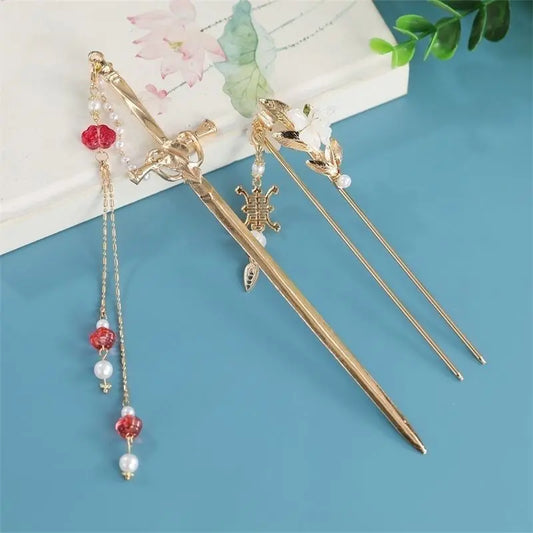
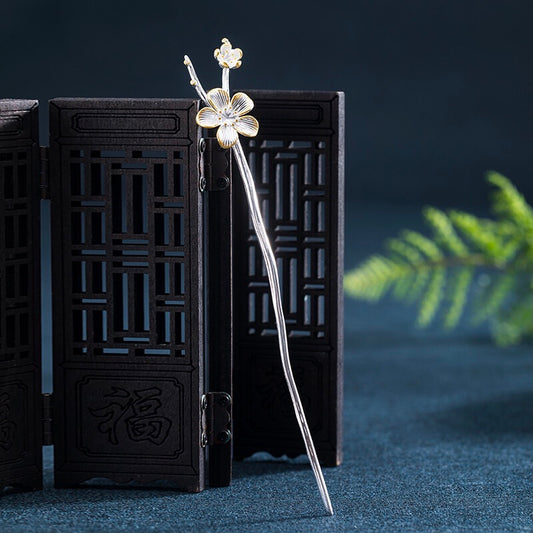
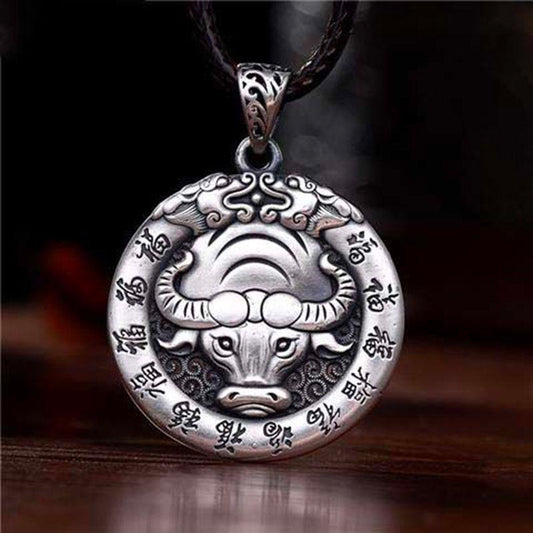
These contemporary objects echo visual languages associated with lantern light, lotus imagery, incense culture, and traditional craftsmanship. They are presented as cultural inspiration, not as required ritual objects.

Architectural lantern forms reinterpreted through contemporary adornment.

A blue-and-white vessel combining lotus symbolism with everyday tea culture.

A craft object reflecting the long visual association between lotus imagery and contemplative spaces.
Frequently Asked Questions
What is the Zhongyuan Festival?
It is a Chinese festival of ancestor remembrance, ritual care, charitable concern, and reflection, observed principally on the fifteenth day of the seventh lunar month.
Is Zhongyuan the same as the Hungry Ghost Festival?
They usually refer to the same seasonal observance, but “Hungry Ghost Festival” highlights only one aspect. “Zhongyuan Festival” better reflects the broader Daoist, Buddhist, familial, and communal traditions.
When is the Zhongyuan Festival?
It falls on the fifteenth day of the seventh lunar month, so its Gregorian-calendar date changes every year.
Why are offerings made?
Offerings express remembrance, gratitude, filial respect, and concern for deceased relatives or unremembered spirits. Meanings vary by family and region.
Is it appropriate for visitors to participate?
Yes, when invited or when attending a public event respectfully. Follow local guidance, avoid interrupting rites, and do not photograph participants without permission.
Must people burn paper offerings?
No. Practices vary, and many families now choose flowers, food, charitable giving, or other low-impact forms of remembrance.