Influenced by pop culture and social media, Feng Shui bracelets are sometimes portrayed as mysterious — even “dark” or “superstitious.” Some people view them as powerful tools for attracting wealth and protection, while others avoid them out of fear.
So the essential question arises: Are Feng Shui bracelets evil, or are they simply misunderstood cultural symbols?
Let us examine the issue from historical, cultural, religious, and scientific perspectives — and restore clarity to this ancient tradition.
1. Direct Answer: Are Feng Shui Bracelets Evil?
No. Feng Shui bracelets are not evil objects.
In classical Feng Shui philosophy, bracelets are considered energy-balancing tools. They are designed using natural materials, colors, and symbolic motifs to harmonize the flow of “Qi” — life energy — between a person and their environment.
They are not idols for worship, nor are they instruments for summoning spirits. They function more like environmental enhancers — comparable to using a compass for direction or taking vitamins for nourishment.
The association with “evil” arises from misunderstanding rather than doctrine.
2. Why Do Some People Think They Are Evil?
Religious Concerns
In certain monotheistic traditions, attributing “power” to objects can appear to conflict with exclusive devotion to God. However, in Feng Shui philosophy, the “energy” of crystals and minerals is not supernatural divinity — it refers to natural properties.
For example, quartz crystals exhibit measurable physical characteristics such as piezoelectric effects. Recognizing natural energetic properties does not equate to idol worship.
Media Misrepresentation
Films and entertainment media often portray Eastern symbols as mystical or cursed objects. This dramatization has shaped public perception, exaggerating harmless cultural tools into something ominous.
Low-Quality Products
A critical yet overlooked factor is product authenticity. Mass-produced plastic or synthetic imitations lack the natural properties associated with genuine materials. Poor production environments may also affect the emotional experience of sensitive wearers.
In such cases, discomfort is often attributed to “bad energy,” when the issue is simply inferior craftsmanship.
3. How Feng Shui Bracelets Actually Work
Natural Material Properties
Common materials include jade, obsidian, citrine, amethyst, red agate, and tiger’s eye. Each carries traditional symbolic meaning:
- Jade: Peace, purity, protection
- Black Obsidian: Grounding, shielding negativity
- Citrine: Wealth and abundance
- Amethyst: Calmness and clarity
- Red Agate: Vitality and courage
- Tiger’s Eye: Confidence and decisiveness
While modern mineralogy explains these stones through physical properties rather than metaphysics, their selection throughout history was not arbitrary.
Symbolic Psychology
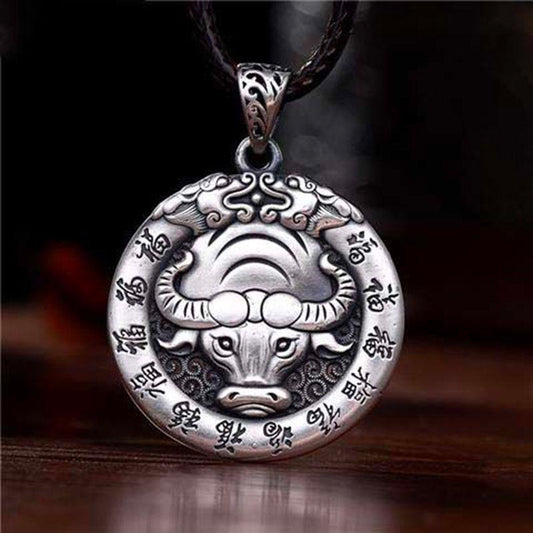
Motifs such as the Pixiu, gourd, or Bagua act as psychological anchors. They trigger intention and awareness, reinforcing specific mental states — protection, prosperity, clarity, or mindfulness.
Intention and Mindset
The most important component is intention. When you consciously associate a bracelet with a goal — such as attracting opportunity or cultivating calmness — it becomes a daily reminder of that commitment.
This aligns with psychological principles similar to the placebo effect: positive belief can generate measurable emotional and physiological outcomes.

4. Religious Perspectives
For Christians, the key issue is intention. If a bracelet replaces faith or is treated as divine, it conflicts with doctrine. If worn simply as a cultural or aesthetic object without worship, it does not inherently contradict belief.
In Buddhism and Daoism, objects are viewed as tools. Their moral value depends entirely on the wearer’s motivation.
In all traditions, the principle remains: the heart determines the meaning.
5. How to Choose and Use a Feng Shui Bracelet Properly
Clarify Your Intention
Decide what aspect of life you wish to support — wealth, relationships, health, or peace of mind.
Select Authentic Materials
Purchase from reputable sources. Trust both research and intuition when selecting stones.
Cleanse and Set Intention
Many traditions recommend cleansing through moonlight, running water (if suitable), incense smoke, or sound vibration before wearing.
Wear with Respect
Traditionally, the left wrist is associated with receiving energy, and the right wrist with projecting energy. If a bracelet breaks naturally, some interpret it as having completed its purpose — it may be disposed of respectfully.

6. A Rational and Scientific View
From a modern perspective, the benefits of Feng Shui bracelets can be explained through:
- Placebo Effect: Belief influences measurable outcomes.
- Mindfulness Reminder: The bracelet acts as a physical anchor for intention.
- Community Belonging: Shared cultural symbols strengthen identity.
- Aesthetic Enjoyment: Beauty itself enhances mood and confidence.
Conclusion: Objects Are Neutral — Intention Defines Them
A tool has no inherent morality. A knife can prepare food or cause harm; the difference lies in its use. Feng Shui bracelets are cultural tools — carriers of symbolism, intention, and aesthetic expression.
When worn with clarity, balance, and positive intention, they serve as reminders of personal goals and inner awareness.
Ultimately, true power does not reside in the bracelet itself — it resides within the wearer’s consciousness and intention.
The bracelet is simply a symbol. The real energy comes from within.