The Chinese Wedding Hair Combing Ceremony, known as "Shang Tou" (上头), is a beautiful pre-wedding ritual that has been celebrated for centuries. Rooted in tradition and cultural symbolism, this ceremony marks the bride and groom's transition from youth to adulthood and prepares them for a harmonious and prosperous marriage. Beyond a simple hair grooming process, the ritual embodies blessings, respect for elders, and the aesthetic elegance of a traditional Chinese wedding.
Historical and Cultural Significance
Dating back over a thousand years, the hair combing ceremony has played a crucial role in Chinese weddings. Traditionally held on the eve of the wedding day, the ritual symbolizes the passage from childhood to adulthood. Combing the hair was considered a way to align one’s life path, bringing smoothness and order to the journey ahead.
Hair in Chinese culture is not merely a physical attribute; it represents vitality, health, and familial lineage. The act of grooming and combing the hair with care reflects wishes for good fortune, longevity, and a harmonious marital union. The ceremony is also intertwined with Confucian principles, Taoist beliefs, and folk customs, making it a deeply spiritual and emotional tradition.
The Symbolism of the Hair Combing Ceremony
Every step of this ceremony carries profound meaning. Key symbolic elements include:
-
Four Combs: Traditionally, the hair is combed four times, each with specific blessings:
- First comb: Happiness
- Second comb: Prosperity
- Third comb: Longevity
- Fourth comb: Peaceful marriage
- Red Ribbons: Tying the hair with red ribbons symbolizes luck, protection, and joyful celebrations.
- Fragrant Water: Some families wash the bride's or groom’s hair with warm water infused with herbs or rice wine, symbolizing purification and readiness for marriage.
- Parental Blessings: Performed by elders, the combing is a way to pass on wisdom and blessings to the next generation.
The Step-by-Step Process
Step 1: Preparation
The bride or groom bathes and dresses in auspicious attire, often in red or gold, colors that signify joy and prosperity. The room is decorated with traditional elements, such as lanterns, fruits, and symbolic pastries.
Step 2: Lighting Candles
Two red candles are lit to represent warmth, happiness, and ancestral blessings. The couple may kneel or sit respectfully during this moment.
Step 3: Combing the Hair
The elder combs the hair slowly and deliberately, accompanied by verbal blessings for happiness, wealth, longevity, and harmony. In some traditions, this is done four times to align with the symbolic meanings.
Step 4: Tying and Decorating the Hair
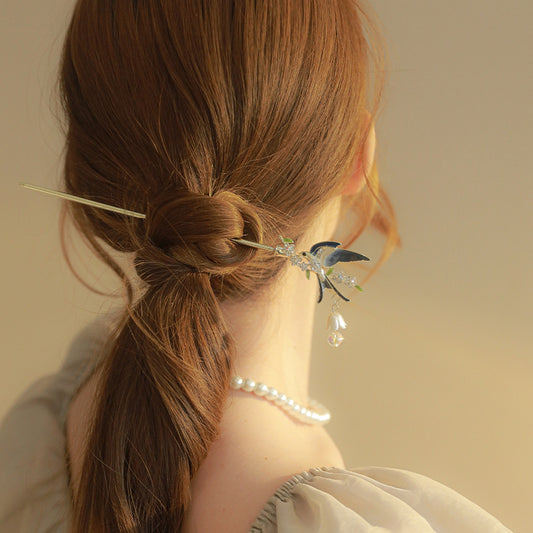
The hair may be tied with a red ribbon or adorned with a traditional hairpin or tiara. These accessories are not only decorative but also carry symbolic blessings for a smooth, prosperous, and harmonious life together.

Enhance your traditional wedding hairstyle with the DIY Assembly Chinese Pearl Dian Cui Phoenix Crown Tiara Fengguan. This exquisite tiara embodies the elegance and symbolism of ancient Chinese weddings, perfect for the hair combing ceremony.
Step 5: Offering and Tea Ceremony
After the hair is combed, the couple may offer tea or gifts to the elder performing the ritual, expressing gratitude and reinforcing familial respect and blessings.
Modern Adaptations
Today, the hair combing ceremony can be adapted for contemporary weddings:
- It can be performed days before the wedding as an intimate family gathering.
- Professional photography is often included to capture this emotional and symbolic moment.
- The ritual may be integrated with other pre-wedding ceremonies such as the tea ceremony for a seamless cultural experience.
Traditional Hair Accessories
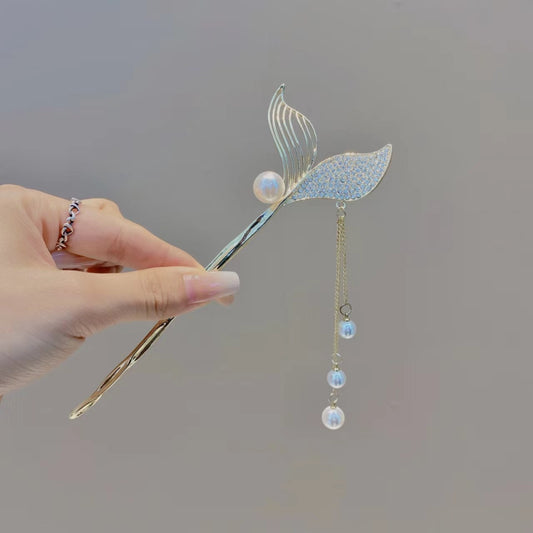
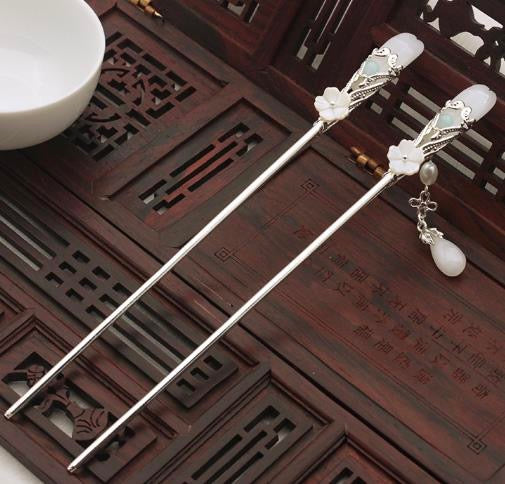
Incorporating traditional hair accessories enhances both the beauty and meaning of the ceremony. Some popular items include:

The Fan Maple Leaf New Chinese Circled Tassel Pearl Hairpin is a delicate choice to complement your wedding hairstyle, symbolizing elegance, prosperity, and traditional craftsmanship.

Add a touch of natural grace with the Floral Small Leaves Lotus Flowers Pearl Tassels Hairpin. Its intricate design reflects traditional Chinese aesthetics and the symbolic beauty of marriage.
Meaningful Elements for the Bride and Groom
- Family Bonding: Strengthens the connection between generations and honors elders.
- Spiritual Blessings: Offers protection from negative influences and ensures a harmonious marital life.
- Symbolic Transition: Marks the readiness of the bride and groom to enter married life.
Tips for Incorporating the Ceremony in Your Wedding
- Select a quiet, intimate room with decorations in red or gold.
- Invite respected elders to perform the ritual and give blessings.
- Use traditional hairpins or tiaras to enhance the ceremonial beauty.
- Capture the moment with photography or video to preserve the memory.
Conclusion
The Chinese Wedding Hair Combing Ceremony is a timeless ritual that celebrates heritage, family, and the union of two lives. From the symbolic combing of hair to the use of traditional accessories, it conveys blessings, respect, and wishes for a smooth, prosperous, and harmonious marriage. By including this ceremony in your wedding, you honor centuries of tradition while creating a meaningful and visually stunning experience that resonates with both the couple and their families.
Discover our exquisite collection of traditional Chinese wedding hair accessories to enhance your hair combing ceremony and embrace the elegance of Chinese cultural heritage.