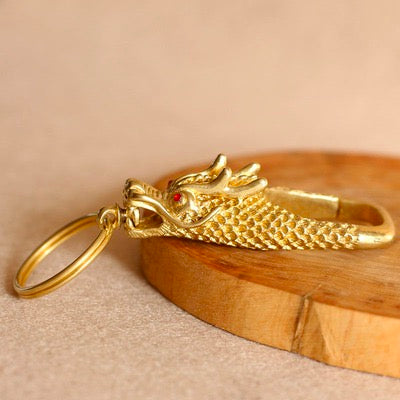
Chinese enamel craftsmanship, a traditional art with a history spanning thousands of years, is experiencing a remarkable revival in contemporary fashion. From the imperial elegance of cloisonné to the refined simplicity of modern designs, enamel jewelry stands out for its vivid colors, smooth texture, and deep cultural symbolism. It serves as a bridge between tradition and modernity, as well as between East and West.
Yet many people find themselves wondering when enamel jewelry is most appropriate to wear. This guide explores the ideal occasions, styling principles, cultural etiquette, and modern fashion strategies for wearing Chinese enamel jewelry, offering a comprehensive reference for both daily life and special moments.
The Cultural Heritage and Artistic Value of Enamel Jewelry
Historical Development and Craftsmanship
Enamel techniques entered China through the Silk Road during the Tang dynasty and matured over centuries of adaptation and innovation. During the reign of Emperor Jingtai of the Ming dynasty, cloisonné enamel reached its artistic peak and became known as “Jingtai Blue.” In the Qing dynasty, enamel jewelry was favored by the imperial court, representing the highest level of craftsmanship.
Today, enamel has evolved from a royal art form into a versatile medium embraced by modern designers, blending traditional techniques with contemporary aesthetics.
Main Enamel Techniques
- Cloisonné enamel, created by outlining patterns with fine metal wires and filling them with enamel glaze
- Painted enamel, where enamel pigments are painted directly onto a metal base
- Chased enamel, featuring engraved metal surfaces filled with enamel
- Translucent enamel, allowing light to pass through for a luminous effect
Symbolic Meaning of Enamel Motifs and Colors
Traditional patterns such as dragons and phoenixes symbolize honor and auspicious power, peonies represent prosperity, lotus flowers convey purity and elegance, and bat motifs express blessings and happiness through homophonic meaning.
Color symbolism also plays an essential role. Red conveys joy and celebration, blue reflects calm elegance, green symbolizes vitality and harmony, and gold accents represent wealth and nobility.

Guidelines for Wearing Enamel Jewelry in Daily Life
Professional Settings: Balancing Elegance and Personality
In the workplace, enamel jewelry should enhance professionalism while subtly expressing individuality. Minimalist geometric designs, small brooches, delicate necklaces, and understated stud earrings are particularly suitable.
Neutral or soft color palettes work best, and it is advisable to limit enamel jewelry to one or two pieces to maintain a polished appearance.
Leisure and Casual Occasions
Weekends and social gatherings offer greater freedom for creative expression. Statement enamel pieces can serve as conversation starters, while layered necklaces or colorful designs pair naturally with relaxed outfits. Comfort and ease of movement should always be considered.
At Home: Jewelry for Personal Enjoyment
Wearing enamel jewelry at home can elevate everyday life. Whether during remote work or family gatherings, a thoughtfully chosen piece can bring joy, inspiration, and a sense of cultural connection.
Special Occasions and Celebratory Moments
Weddings and Formal Celebrations
Enamel jewelry carries auspicious symbolism that makes it ideal for weddings. Red enamel complements traditional Chinese wedding attire, while blue enamel can serve as a subtle accent in Western-style ceremonies. Guests are encouraged to choose refined designs that convey blessings without overshadowing the couple.
Festivals and Traditional Holidays
During the Lunar New Year, red and gold enamel pieces echo festive themes of prosperity and renewal. Mid-Autumn Festival styling often features moon-inspired motifs and cool blue tones, while Dragon Boat Festival designs favor green hues and dynamic patterns.
Cultural and Artistic Events
Enamel jewelry is especially well suited to museum visits, art exhibitions, concerts, and cultural salons. Pieces that reflect craftsmanship and symbolic meaning enhance both personal presence and the overall atmosphere of such events.

Seasonal and Time-Based Styling Wisdom
Seasonal Color Coordination
Spring favors soft pastels and floral motifs, summer calls for lighter tones and translucent enamel, autumn pairs beautifully with warm earth colors, and winter welcomes deeper hues with metallic accents for visual warmth.
Daytime and Evening Transitions
Daytime styling emphasizes subtlety and balance, while evening occasions allow for bolder designs and larger statement pieces. A single striking enamel accessory can effortlessly transform a daytime look into an evening ensemble.
Age, Identity, and Personal Style Considerations
Younger wearers often gravitate toward modern shapes and vibrant colors, while mature wearers may prefer classic motifs and refined craftsmanship. Regardless of age, the key lies in choosing pieces that align with personal identity, lifestyle, and comfort.
Care, Maintenance, and Long-Term Enjoyment
Enamel jewelry should be protected from chemicals, extreme temperatures, and physical impact. Cleaning with a soft cloth, storing pieces separately, and scheduling periodic professional inspections will preserve both beauty and value.

Cultural Etiquette and Social Awareness
In international and cross-cultural settings, enamel jewelry serves as a graceful cultural ambassador. Choosing designs with universal appeal while being prepared to share their cultural background enhances communication and mutual appreciation.
Conclusion: A Modern Philosophy of Wearing Enamel Jewelry
Wearing Chinese enamel jewelry is more than a fashion choice. It is an expression of cultural continuity, personal taste, and mindful living. Each piece reflects centuries of artistry while adapting naturally to modern lifestyles.
When chosen thoughtfully and worn with confidence, enamel jewelry becomes a storyteller of heritage, a symbol of refined aesthetics, and a meaningful companion in everyday life. Through it, tradition and modernity coexist in harmony, illuminating both the present moment and the future ahead.