The Chinese Bogu pattern (博古纹, bó gǔ wén) is a decorative language built from images of ancient ritual vessels, ceramics, books, scrolls, scholar’s objects, flowers, and auspicious emblems. It turns the study and collecting of antiquities into an elegant visual composition associated with learning, cultivated taste, continuity, and good fortune.
Contents
Bogu Pattern at a Glance
| Chinese name | 博古纹 / Bogu pattern |
|---|---|
| Core imagery | Antiquities and cultivated objects arranged as a still life |
| Peak popularity | Especially visible in Ming–Qing decorative arts |
| Common media | Porcelain, textiles, lacquer, furniture, carving, and painting |
| Related idea | Antiquarian study and collecting |
| Important caution | Individual motifs must be interpreted through their period, medium, inscription, and context |
What Is the Chinese Bogu Pattern?
Bogu designs present antiquities as objects worthy of knowledge as well as beauty. Bronze vessels, vases, incense burners, brush pots, books, scrolls, ruyi sceptres, musical stones, and flowering branches may be balanced on stands or linked by ribbons. The composition often resembles a carefully arranged display in a scholar’s studio.


From Antiquarian Study to Decorative Art
Chinese interest in ancient bronzes and inscriptions became particularly systematic during the Northern Song. Court scholars and private collectors recorded forms, inscriptions, and ownership histories. This intellectual world is often called antiquarian or epigraphic study.
Why the Xuanhe Bogu Tu matters
The imperial catalogue Xuanhe Bogu Tu (宣和博古图) documented ancient bronzes in the early twelfth century and gave later readers a prestigious vocabulary of archaic forms. It is an essential historical reference for understanding the prestige of “knowing antiquity,” although it should not be treated as the single invention point of every later Bogu motif.
By the Ming and Qing periods, antiquities increasingly entered decorative arrangements with flowers, books, fruit, and auspicious objects. These images circulated across porcelain, embroidery, lacquer, carved wood, architectural ornament, and printed design manuals.
Common Objects and Visual Grammar
A Bogu design is usually recognizable through grouping rather than a single emblem. Typical components include:
- Ancient vessels: ding, gu, jue, zun, incense burners, and archaistic vases.
- Scholar’s objects: books, scrolls, brushes, inkstones, musical stones, and stands.
- Plants and flowers: peony, lotus, plum, orchid, chrysanthemum, bamboo, and fruiting branches.
- Auspicious accessories: ruyi, ribbons, bats, coins, precious objects, and emblems from the “Hundred Antiques” repertory.
Artists create balance by varying height, contour, empty space, and overlap. A tall vase may serve as the axis, while smaller objects form a stable base. Ribbons and branches guide the eye between otherwise separate forms.
What Does the Bogu Pattern Mean?
At its broadest, Bogu communicates respect for the past and the cultivated ability to recognize it. Books and writing implements suggest scholarship; antiquities imply continuity and connoisseurship; flowers and fruit introduce seasonal or auspicious associations.
The safest interpretation begins with the visible objects. A composition containing peony, vase, books, and ruyi may suggest prosperity, peace, learning, and wishes fulfilled—but the exact reading depends on period, medium, inscription, and intended audience.
Modern descriptions sometimes assign a single universal meaning to every object. Historical designs are more flexible: motifs may be chosen for sound-based puns, visual balance, fashion, workshop practice, patron taste, or several reasons at once.
Bogu in Porcelain, Textiles, Furniture, and Painting

Porcelain painters adapted Bogu arrangements to curved bodies, often placing a central vase or burner inside a shaped panel. Textile makers translated the same repertory into embroidery or woven repeats. Furniture and lacquer workshops used inlay, carving, or painted decoration, while paintings could render the arrangement as a more naturalistic still life.
Bogu pattern versus Qinggong still life
The terms overlap but are not identical. A Bogu design emphasizes antiquities and knowledge of ancient objects. Qinggong (“elegant offerings”) more often describes refined seasonal displays of flowers, fruit, vessels, and studio objects. A single composition can participate in both traditions.

How to Recognize a Bogu Design
- Look for a staged grouping rather than an isolated floral spray.
- Identify archaic vessels, scholar’s objects, stands, books, or scrolls.
- Check whether flowers, fruit, ribbons, or auspicious emblems connect the objects.
- Consider the medium and date: later works may freely reinterpret ancient forms.
- Avoid relying on one motif alone; museum records and inscriptions provide stronger evidence.
Bogu in Contemporary Design
Today, designers use the Bogu idea in ceramics, packaging, jewelry, interiors, and illustration. Contemporary work may simplify objects into silhouettes, rearrange them as modular icons, or combine antique profiles with modern color. Responsible use distinguishes historical artifacts from new creations inspired by the tradition.
Cultural Symbols and Craft Inspiration
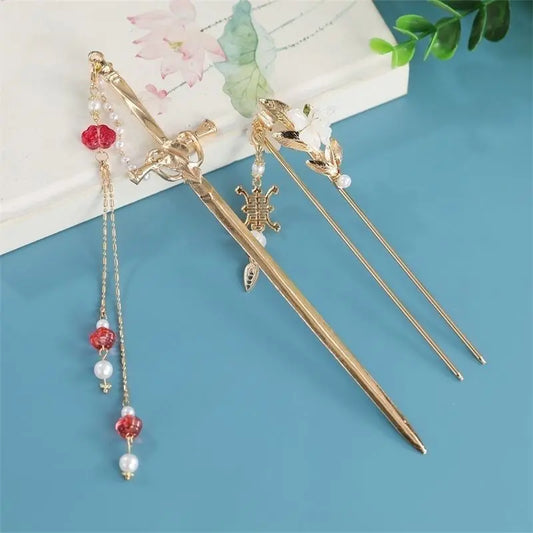
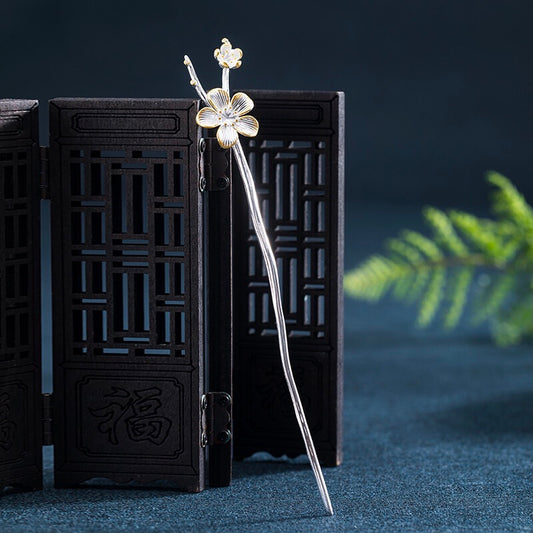
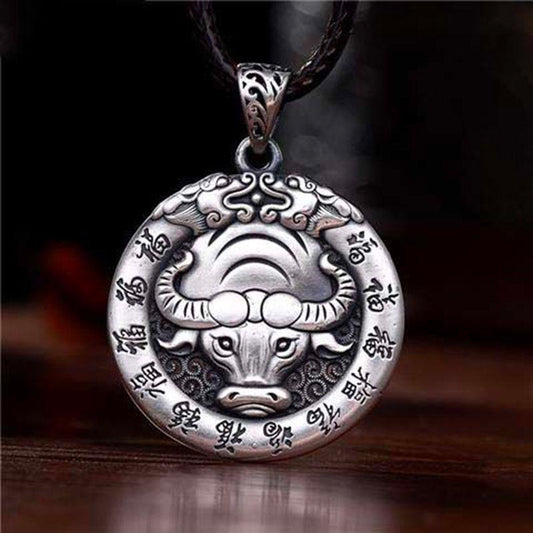
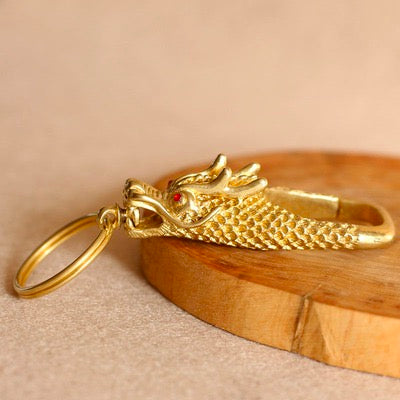
These contemporary pieces connect with the broader visual language of Chinese flowers, graceful curves, pearls, and ornamental craftsmanship. They are offered as cultural and design inspiration, not as historical Bogu artifacts.


Frequently Asked Questions
What does “Bogu” mean?
It literally conveys broad knowledge of antiquity and, in art, refers to imagery centered on ancient objects and cultivated collecting.
Is Bogu the same as the Hundred Antiques?
They overlap strongly. “Hundred Antiques” is a broad repertory of precious and auspicious objects; Bogu particularly emphasizes antiquities and antiquarian taste.
Did the Xuanhe Bogu Tu invent the pattern?
No. It is a major Song catalogue that helped establish the prestige and vocabulary of antiquarian study, but later decorative Bogu compositions developed through a wider history.
When was Bogu decoration most popular?
Its roots are connected to Song antiquarian culture, while elaborate decorative forms became especially prominent during the Ming and Qing periods.
How can I identify an authentic antique Bogu object?
Motif alone cannot establish age or authenticity. Examine material, technique, inscriptions, provenance, condition, and specialist or museum documentation.