1. The Debate Over “Legitimacy” – What Defines an Emperor?
Before naming the “first female emperor,” we must understand the orthodox standards of Chinese dynastic history. Official histories (compiled by successive imperial courts) only included rulers who established a dynasty, used reign titles, controlled significant territory, and were later recognized by the state. By that benchmark, Wu Zetian is the sole female emperor. Yet two other women held the title “emperor” in specific contexts — their stories are equally fascinating and historically important. The table below compares the three key female claimants.
2. Three Female “Emperors” Compared: Yuan Girl, Chen Shuozhen & Wu Zetian
| Figure | Era (AD) | Imperial Title | Reign Duration | Orthodox Recognition | Historical Significance |
|---|---|---|---|---|---|
| Yuan Girl (Northern Wei) | 528 | “Emperor Shang of Wei” (posthumous) | Less than 1 day (infant) | Extremely low; not listed in imperial annals | Only child of Emperor Xiaoming; placed on throne by Empress Dowager Hu as a fake male heir, deposed next day. First woman to formally receive the imperial title. |
| Chen Shuozhen (Tang) | 653 | “Wenjia Emperor” (self-proclaimed) | ~2 months (rebel regime) | Not recognized by official dynastic histories; considered rebel leader | Peasant uprising leader in Zhejiang; declared herself emperor. A pioneering icon of female leadership despite military defeat. |
| Wu Zetian (Zhou/Tang) | 690–705 | “Holy Divine Emperor” / “Zetian Great Sage Emperor” | 15 years as reigning empress (de facto power >45 years) | ★ Fully recognized — annals in Old/New Book of Tang & Zizhi Tongjian | The only undisputed orthodox female emperor in millennia of Chinese imperial history. Established Wu Zhou, advanced meritocracy, and ruled a prosperous realm. |
The table shows that if we require a unified, sovereign state recognized by subsequent dynasties, Wu Zetian is the unique and first orthodox female emperor. Yet for the earliest woman to hold “emperor” as a title (even briefly), Yuan Girl takes the crown; for the first self-proclaimed female emperor with a functioning (though rebel) court, Chen Shuozhen leads the way.
3. The Shadow First: Yuan Girl — The One-Day Empress of Northern Wei (528 AD)
In 528 AD, Emperor Xiaoming of Northern Wei was suddenly killed. His only offspring was a female infant (surname Yuan, given name lost). To maintain power, the Empress Dowager Hu proclaimed the baby girl as emperor, fabricating that the child was a boy. The infant was enthroned as “Emperor” with the reign title “Wutai.” Within a day, the truth surfaced, and Hu deposed her, installing another prince. Later historians called her “Yuan Girl” or “Emperor Shang of Wei.” While a sheer puppet, she is historically the first woman to sit on the dragon throne with a formal imperial title — a strange but undeniable piece of China’s female emperor mosaic.
4. The Rebel Pioneer: Chen Shuozhen — The Wenjia Emperor Who Dared
In 653 AD, in today’s Zhejiang province, a charismatic woman named Chen Shuozhen led a massive uprising against the Tang court. Famine and oppression fueled her cause. She proclaimed herself “Wenjia Emperor”, established a rudimentary court, and mobilized tens of thousands of followers — an act of unprecedented defiance. She was defeated and executed within months, but her legacy as the first woman to openly claim the imperial title in Chinese history is indelible. Modern scholars often call her the “first female emperor” in terms of chronological self-declaration. Legends (though unverified) even suggest a mystical link between Chen Shuozhen and a young Wu Zetian.
5. Wu Zetian: The Only Orthodox Female Sovereign of China
Wu Zetian (624–705) remains history’s most formidable empress regnant. She rose from a low-rank concubine of Emperor Taizong to the empress consort of Emperor Gaozong, then de facto ruler, and finally proclaimed herself “Holy Divine Emperor” in 690, changing the dynasty name to Zhou. She moved the capital to Luoyang, initiated groundbreaking policies like imperial examinations for commoners, appointed talented ministers (e.g., Di Renjie), stabilized frontiers, and promoted Buddhism. Her uninscribed Stele at the Qianling Mausoleum still invites wonder. Because the official histories (Old Book of Tang, New Book of Tang, and Zizhi Tongjian) all include her in the “Basic Annals” as a true emperor, she is universally accepted as China’s first and only orthodox female emperor. UNESCO and global academia endorse this view.
6. Legacy: How Wu Zetian Influenced Chinese Culture & Jewelry
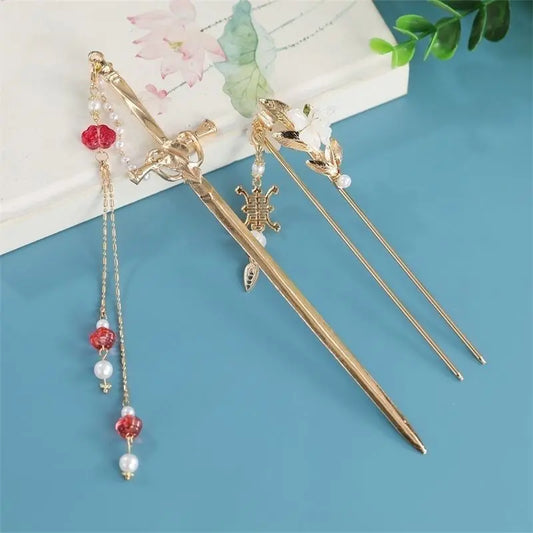
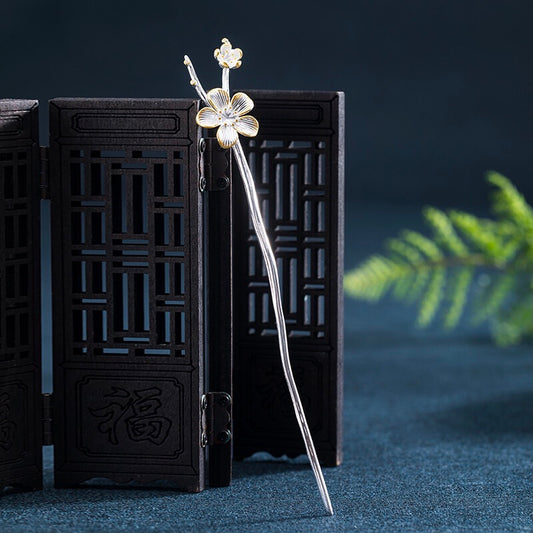
Wu Zetian’s reign dramatically elevated the status of Tang dynasty women — aristocratic ladies participated in politics, wore men’s clothing, and enjoyed relative freedom of remarriage. Her patronage of lavish court arts spurred the golden age of traditional Chinese jewelry: gold-inlaid jade, phoenix hairpins (Fengcha), filigree bracelets, and elaborate earrings became essential regalia. The same aesthetics continue to inspire modern Chinese showcase pieces, blending imperial elegance with contemporary craftsmanship.
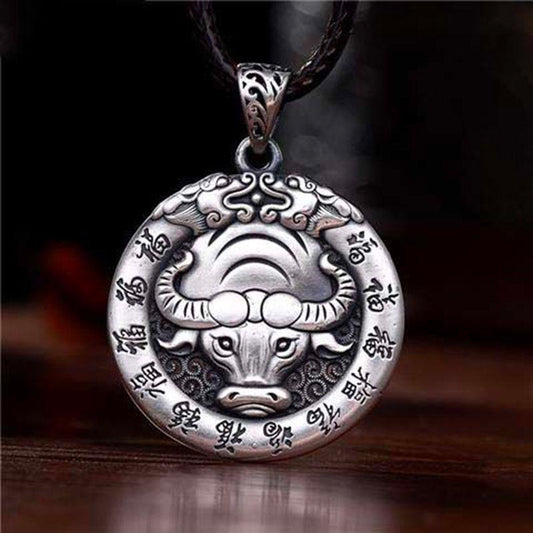
🏮 Inspired by Tang dynasty imperial aesthetics — discover timeless Chinese jewelry collections below, from jade pendants to intricate hairpins that echo the grandeur of Empress Wu’s era.
7. Final Verdict: Who Is the First Female Emperor?
Returning to the question “Who was the first female emperor of China?” — the precise answer depends on definition:
✅ Orthodox mainstream history and general consensus: Wu Zetian is the first and only universally recognized female emperor.
⏳ Earliest woman enthroned as emperor (nominal): Yuan Girl (528 AD).
🔥 Earliest self-proclaimed female emperor with a rebel regime: Chen Shuozhen (653 AD).
For most readers, educators, and global references, Wu Zetian is the definitive answer — a ruler of unmatched political skill and lasting legacy.
📌 Frequently Asked Questions (FAQ)
• Old Book of Tang (Jiu Tangshu) – Annals of Empress Wu
• New Book of Tang (Xin Tangshu) – Biography of Wu Zetian
• Sima Guang, Zizhi Tongjian (Comprehensive Mirror for Aid in Government)
• Chen Yinke, “Essays on Tang Political History”
• Rong Xinjiang, “Empress Wu and Her Era” (Peking University)
• Wang Shuanghuai, “Critical Biography of Wu Zetian” (Sanqin Press)
• Chinese Academy of Social Sciences, “A Study on the Phenomenon of Female Emperors in China”
🔗 Explore more Chinese cultural treasures at Chinese Showcase
✨ Timeless Elegance · Traditional Chinese Jewelry Collection
From the court of Empress Wu to modern heirlooms, Chinese jewelry embodies luck, craftsmanship and heritage. Browse our curated categories:
✨ Each piece honors ancient craftsmanship and the timeless spirit of Chinese imperial art.