Complete Guide to the Mooncake Festival
1. What Is the Mid-Autumn Festival?

The Mid-Autumn Festival (中秋节, Zhōngqiū Jié) is one of China‘s most cherished traditional holidays. Its name comes from the timing: autumn is divided into early, mid, and late, and the 15th day of the 8th lunar month falls exactly in the middle of autumn. On this night, the moon is believed to be at its fullest, brightest, and most beautiful of the entire year. Because the full moon’s round shape symbolizes family reunion and completeness, the festival is also a time for family members to gather — even if they must travel long distances. The celebration dates back over 3,000 years to the Shang Dynasty (c. 1600–1046 BCE), when people held moon worship ceremonies. It became an official festival during the Tang Dynasty (618–907 CE) and was widely popularized by the Song Dynasty (960–1279 CE). Today, it is a public holiday in mainland China, Taiwan, Hong Kong, Macau, and many countries with significant Chinese communities.
2. When Is the Mid-Autumn Festival? Dates and Calendar
Because it follows the lunar calendar, the Gregorian date changes each year. The table below shows upcoming festival dates and corresponding zodiac years.
| Year | Mid-Autumn Festival Date | Day of Week | Zodiac Animal |
|---|---|---|---|
| 2025 | October 6 | Monday | Snake |
| 2026 | September 25 | Friday | Horse |
| 2027 | September 15 | Wednesday | Goat |
| 2028 | October 3 | Tuesday | Monkey |
| 2029 | September 22 | Saturday | Rooster |
The festival is usually a 3‑day public holiday in China (the day itself plus two adjacent days), allowing families to travel home for reunion dinners.
3. The Heart of the Festival: Mooncakes (Yuèbǐng)
The Mid-Autumn Festival is inseparable from mooncakes (月饼, yuèbǐng). These round pastries are typically filled with lotus seed paste, red bean paste, or five kernels (walnuts, almonds, sesame seeds, melon seeds, peanuts). A salted duck egg yolk is often placed at the center, representing the full moon. Mooncakes are rich, dense, and sweet, traditionally baked with a golden brown crust imprinted with Chinese characters (e.g., 中秋, “Mid‑Autumn”) or auspicious designs. The round shape symbolizes family reunion and completeness. Giving mooncakes to relatives, friends, and business associates is an essential ritual — it expresses good wishes for unity and happiness. According to historical legend, mooncakes played a role in overthrowing the Mongol Yuan Dynasty: rebels hid secret messages inside mooncakes coordinating a nationwide uprising. Today, mooncakes have evolved into countless varieties: snow skin (uncooked, soft crust), ice cream mooncakes, low‑sugar health versions, and even savory mooncakes with meat fillings.
4. The Legend of Chang'e and the Jade Rabbit
The most beloved story associated with the Mid-Autumn Festival is the legend of Chang'e (嫦娥), the moon goddess. There are several versions, but the classic tale goes like this: Long ago, ten suns appeared in the sky, scorching the earth. The archer Hou Yi (后羿) shot down nine of them, saving humanity. As a reward, the Queen Mother of the West gave him an elixir of immortality. Hou Yi did not want to become immortal without his beloved wife, Chang'e, so he hid the elixir. One day, when Hou Yi was away hunting, his evil apprentice Feng Meng broke into their home and demanded the elixir. To prevent him from stealing it, Chang'e drank the elixir herself. Immediately, she floated up to the moon, where she has lived ever since. Hou Yi, heartbroken, would gaze at the moon and offer her favorite fruits and cakes. On the night of the full moon, people say you can see Chang'e’s silhouette dancing on the moon. Accompanying Chang'e is the Jade Rabbit (玉兔, Yùtù), who pounds the elixir of life with a mortar and pestle. Children often hold rabbit lanterns and sing songs about the Jade Rabbit during the festival.
5. Traditional Customs and Celebrations
Mid-Autumn Festival traditions vary regionally, but the core customs remain constant.
- Moon worship (拜月, bài yuè): Families set up altars outdoors with mooncakes, pomelos, grapes, and incense, facing the full moon to offer blessings for a good harvest and family well‑being.
- Family reunion dinner (团圆饭, tuányuán fàn): Similar to Lunar New Year, far‑flung family members return home for a festive meal. Popular dishes include pumpkin, taro, river snails, and duck, which are in season.
- Moon gazing (赏月, shǎng yuè): After dinner, families gather in gardens or on rooftops to admire the full moon, drink tea, and eat mooncakes and pomelos (which resemble the moon).
- Lanterns (灯笼, dēnglóng): Children carry brightly colored paper lanterns (often shaped like rabbits, lotus flowers, or stars). In some regions (e.g., Hong Kong), elaborate lantern displays and floating lanterns on water are popular. Sky lanterns are also released in some areas, carrying written wishes upward.
- Burning pagodas (烧塔, shāo tǎ): In parts of southern China, people stack bricks into tower shapes and burn them to celebrate the harvest.
- Dragon and lion dances: Public celebrations often include these traditional performances, especially in Chinese diaspora communities.
6. Festive Foods Beyond Mooncakes
While mooncakes dominate, other seasonal foods carry symbolic meanings:
- Pomelos (柚子, yòuzi): The Chinese name sounds like “blessing” and “have a son.” The round shape echoes the full moon.
- River snails (田螺, tiánluó): Eating them is believed to improve eyesight (because the full moon is bright).
- Taro (芋头, yùtou): Harvested at this time, it symbolizes warding off evil.
- Pumpkin (南瓜, nánguā): A seasonal vegetable representing a full, abundant harvest.
- Chestnuts (板栗, bǎnlì): Roasted chestnuts are a popular snack during moon gazing.
- Osmanthus wine/scent (桂花酒, guìhuā jiǔ): People sip sweet osmanthus‑flavored wine or admire osmanthus flowers, which bloom around the festival.
7. Modern Celebrations and Global Influence
While traditional customs persist, the Mid-Autumn Festival has evolved. In urban China, many families dine out for reunion dinners rather than cooking at home. Gift boxes of mooncakes have become highly commercialized, with luxury brands creating elaborate packaging (sometimes criticized for waste). Online “virtual moon gazing” and social media moon photo competitions have emerged. Across the world, Chinatowns in San Francisco, London, Sydney, and Singapore hold lantern parades, cultural performances, and mooncake‑tasting events. The festival has also spread to non‑Asian countries as a celebration of autumn harvest and family. In 2026, festivities will be especially notable because the 15th of the 8th lunar month (September 25) falls on a Friday, creating a long weekend for travel.
8. The Festival‘s Cultural Significance
The Mid-Autumn Festival embodies core Chinese values. The full moon symbolizes yuánmǎn (圆满) — completeness, perfection, and harmony. The emphasis on family reunion reflects Confucian filial piety and the importance of kinship. Moon worship and harvest celebrations express gratitude to nature, rooted in ancient agricultural society. The legend of Chang’e, who chose immortality on the moon over earthly power, conveys ideals of loyalty, sacrifice, and transcendence. In a rapidly changing world, the festival provides an anchor to tradition — a night when, no matter where they are, Chinese people look up at the same moon and feel connected to family and heritage.
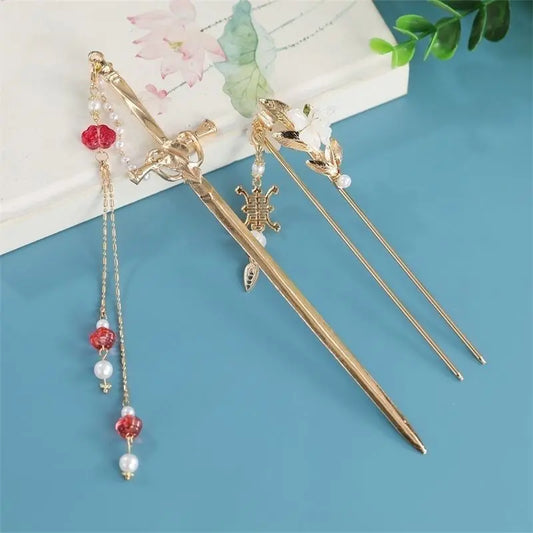
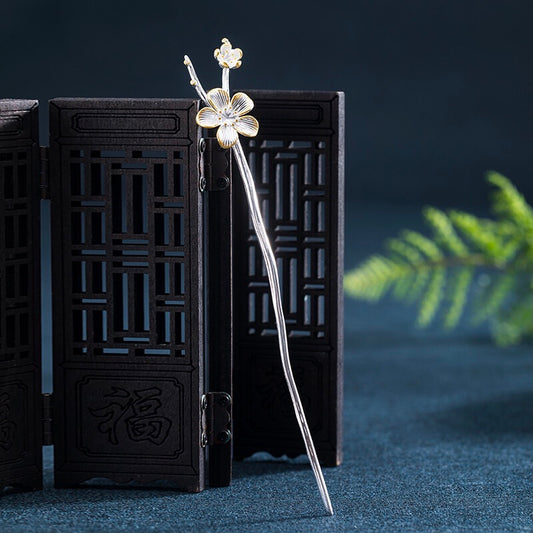
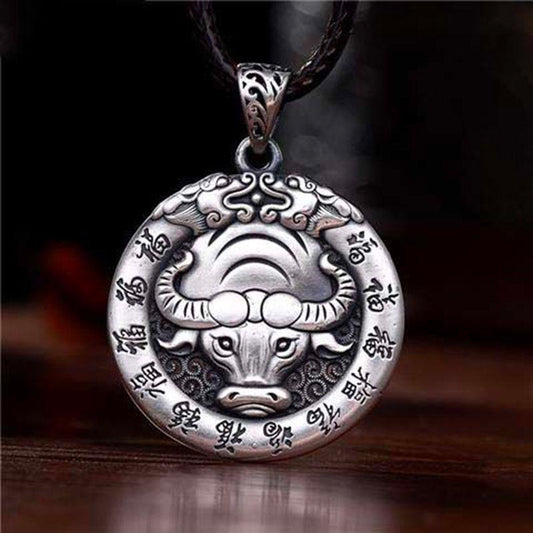
🏮 The Mid-Autumn Festival is a time for giving meaningful gifts. Jade pendants, pearl earrings, and gold bracelets — with rabbit, moon, or lotus motifs — carry the festival’s blessings of unity, purity, and longevity. Explore our collections below.
📌 Frequently Asked Questions (FAQ)
• “Mid-Autumn Festival.” China Educational Tours (2026).
• “Mid-Autumn Festival: A Mooncake Story.” BBC Travel (2025).
• “Chinese Mid-Autumn Festival.” Travel China Guide (2026).
• “Mooncake Festival: Traditions & Customs.” Chinese Historical & Cultural Project (CHCP).
• “Chang’e — Chinese Goddess of the Moon.” World History Encyclopedia (2019).
• “Mid-Autumn Festival Mooncakes.” YourChineseAstrology.com.
• Stepanchuk, Carol. (2023). “Mooncakes and Hungry Ghosts: Festivals of China.” China Books.
• “Festival Foods: From Mooncakes to Pomelos.” The Woks of Life (2024).
🔗 Explore more Chinese cultural heritage at Chinese Showcase.
✨ Traditional Chinese Jewelry — Gifts of Unity and Blessing
The Mid-Autumn Festival is a perfect occasion to give lasting, meaningful gifts. Jade pendants (symbolizing virtue), gold bracelets (prosperity and eternity), and pearl earrings (purity and the moon) carry the festival‘s deepest blessings. Explore our collections below for timeless pieces.
✨ Each piece reflects the festival‘s spirit — completeness, purity, and family unity. Perfect as a Mid‑Autumn gift for loved ones.